

The Japanese immigration around the world has left a rich cultural and social legacy, and along with it, terms emerged to describe the generations of Japanese descendants outside of Japan. Terms like Issei, Nissei, Sansei, Yonsei and Nikkei have origins in the Japanese language and are widely used to identify these generations. These concepts go beyond simple genealogical definitions, revealing stories of adaptation, cultural preservation, and identity evolution.
Contents 10
The Meaning of Issei
Issei (一世) refers to the first generation of Japanese immigrants. Literally, "Issei" means "first generation," composed of the characters 一 (one) and 世 (generation). These individuals were born in Japan and emigrated to other countries, such as Brazil, the United States, Canada, and Peru, especially between the late 19th and early 20th centuries.
Characteristics of Issei
- Language and culture: The Issei generally maintain a strong connection to Japanese traditions, including language, religion, and customs.
- Initial challenges: They faced significant difficulties in adapting to new countries, such as language barriers, prejudices, and often harsh working conditions.
- Legacy: They were fundamental in establishing Japanese communities around the world.
In Brazil, the Issei group that opened the lasting inflow arrived on June 18, 1908 aboard the Kasato Maru: 781 people in 165 families, landing at the Port of Santos. That crossing founded the largest Nikkei community outside Japan.
Who are the Nissei?
The Nissei (二世), or "second generation," are the children of the Issei. The term is formed by the characters 二 (two) and 世 (generation). English usually writes Nisei; Brazilian Portuguese commonly keeps Nissei with a double s. Having been born outside of Japan, the Nissei generally grew up in a cultural duality, balancing the values inherited from their parents with the influences of the country where they lived.
Challenges and Achievements
- Bilingualism: Many Nissei grew up speaking Japanese at home and the local language outside, although some lost fluency in Japanese.
- Education: The Nissei often had greater access to education compared to their parents, allowing them to advance socially and economically.
- Cultural integration: While they preserved Japanese traditions, they also helped shape Japanese identity in the societies where they lived.
The Identity of Sansei
The Sansei (三世), or "third generation," are the grandchildren of the Issei. The term combines 三 (three) with 世 (generation). Born in foreign countries and often distanced from Japan, the Sansei frequently face a greater disconnection from Japanese culture.
Main Aspects
- Cultural assimilation: Most Sansei strongly identify with the country where they were born, being less directly influenced by Japanese culture.
- Renewed interest: Despite a possible cultural distance, many Sansei develop an interest in rediscovering their Japanese roots and traditions.
- Active participation: This generation often promotes initiatives to preserve the cultural legacy, whether through festivals, studies of the Japanese language, or trips to Japan.

Yonsei: The Fourth Generation
Yonsei (四世) refers to the fourth generation of Japanese descendants. The term is formed by the characters 四 (four) and 世 (generation). This generation, generally born in more globalized settings, tends to be even more distant from Japanese traditions. The next generation is already called Gosei (五世), the fifth.
In Japan, the Yonsei visa follows stricter rules than those for Nissei and Sansei: generation is counted from the next of kin of the immigrant born in Japan.
Characteristics of Yonsei
- Hybrid identity: Many Yonsei have a multicultural identity, influenced by different backgrounds and social contexts.
- New perspective: Although often distanced from Japanese culture, there is a growing interest in learning about family history and reconnecting cultural ties.
- Family diversity: It is common for Yonsei families to be multicultural due to the increase in interethnic marriages.
What does Nikkei mean?
Nikkei (日系) is a broad term that refers to all people of Japanese descent living outside of Japan, regardless of generation. The word is composed of the characters 日 (sun or Japan) and 系 (lineage). It includes Issei, Nissei, Sansei, and Yonsei, and also people of mixed ancestry who identify with their Japanese heritage, even if distant. In Japan itself, Nikkei also names people of that lineage who have returned, including dekasegi workers.
Current Use of the Nikkei Term
- Global unity: The term is used to unite Japanese communities around the world, such as the Brazilian Nikkei and the American Nikkei. Brazil hosts the largest of these communities, with around two million descendants.
- Cultural recognition: It helps preserve the identity and contributions of Japanese communities in various countries.
- Internal diversity: It reflects the variety of experiences and degrees of connection to Japan.
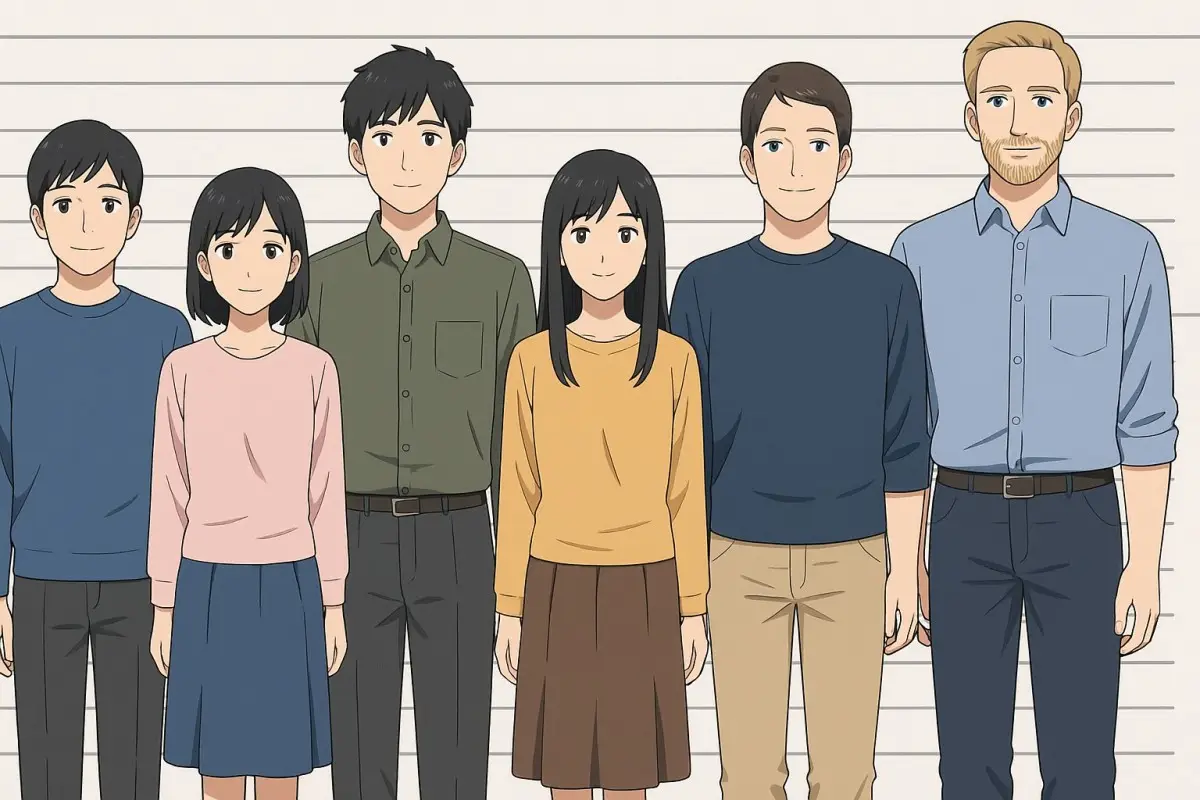
Issei, Nissei, Sansei and Yonsei form a sequence. The first was born in Japan; the others were born abroad, each one step farther from the original emigration. Nikkei gathers all of these generations, and also people of mixed ancestry who recognize themselves in that line. With that order, family papers, Nikkei associations and visa rules can be matched to the right term.



Community
Comments
0 comments
There are no published comments in this language yet.
Send comment