
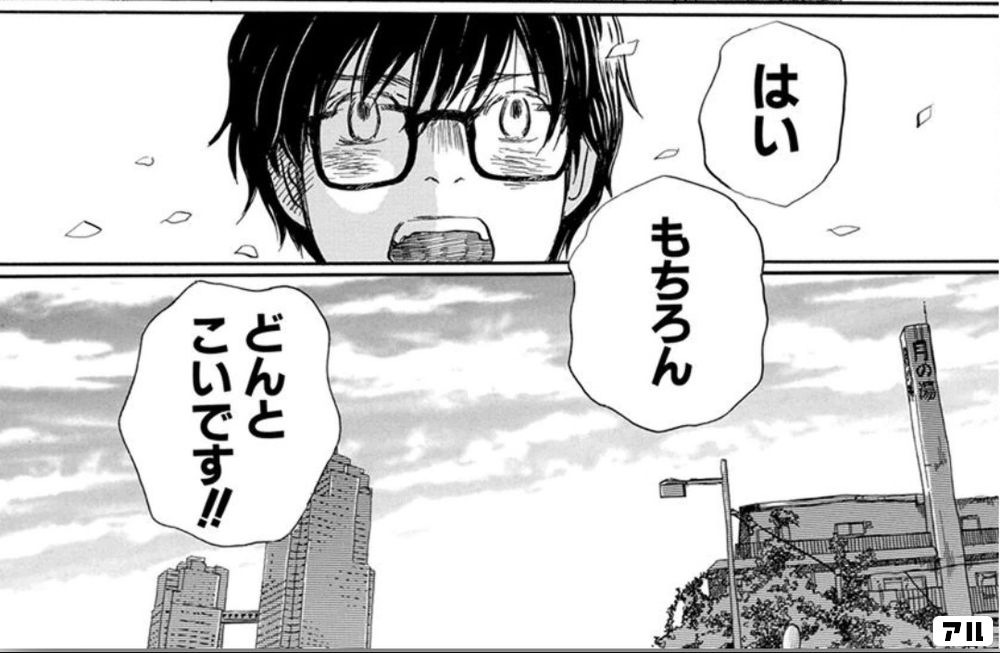
Learning Japanese can be a challenging task, but also extremely rewarding. One of the most effective and fun ways to practice reading and become familiar with the language is through manga. With its informal language, full of slang and dialects, and the visual support of illustrations, manga makes learning lighter and more engaging. Many of them also include furigana — small characters above the kanji that indicate their reading —, making it easier for beginners to understand.
In addition to being great study tools, manga also offers a unique cultural immersion. They reflect important aspects of daily life, traditions, and values of Japan. This is essential, as understanding Japanese culture is a key piece to mastering the language.
Below, check out a selection of manga that will not only enrich your vocabulary but also open a window to the fascinating Japanese cultural universe.
Contents 9
Why is reading manga so effective for learning Japanese?
In addition to providing entertainment, manga are valuable tools for several reasons. First, they offer contextualized language, allowing you to see how words and expressions are used in real situations. Second, the presence of images helps to understand the context even when some words are unknown.
More importantly, manga allows you to absorb Japanese culture while studying the language. Cultural terms, festivals, traditions, and even forms of etiquette are present in almost every story, making learning more complete and meaningful.
We recommend reading: How to learn Japanese with manga and anime?
Detective Conan (名探偵コナン)
With a captivating narrative and a touch of mystery, Detective Conan is a fantastic choice for those who want to learn Japanese while having fun. The story follows Shinichi Kudo, a young detective who, after being poisoned, is transformed into a child. Under the pseudonym Conan Edogawa, he continues solving cases while keeping his identity a secret.
The manga is known for its diverse setting, exploring different regions and cultures of Japan. The variety of characters brings with it a rich repertoire of expressions and even regional dialects, such as the kansai-ben of Hattori Heiji, from Osaka. Furthermore, the language is clear and objective, making it accessible for those who are still getting used to the language. The furigana present in the texts further facilitates reading.

Yotsubato! (よつばと!)
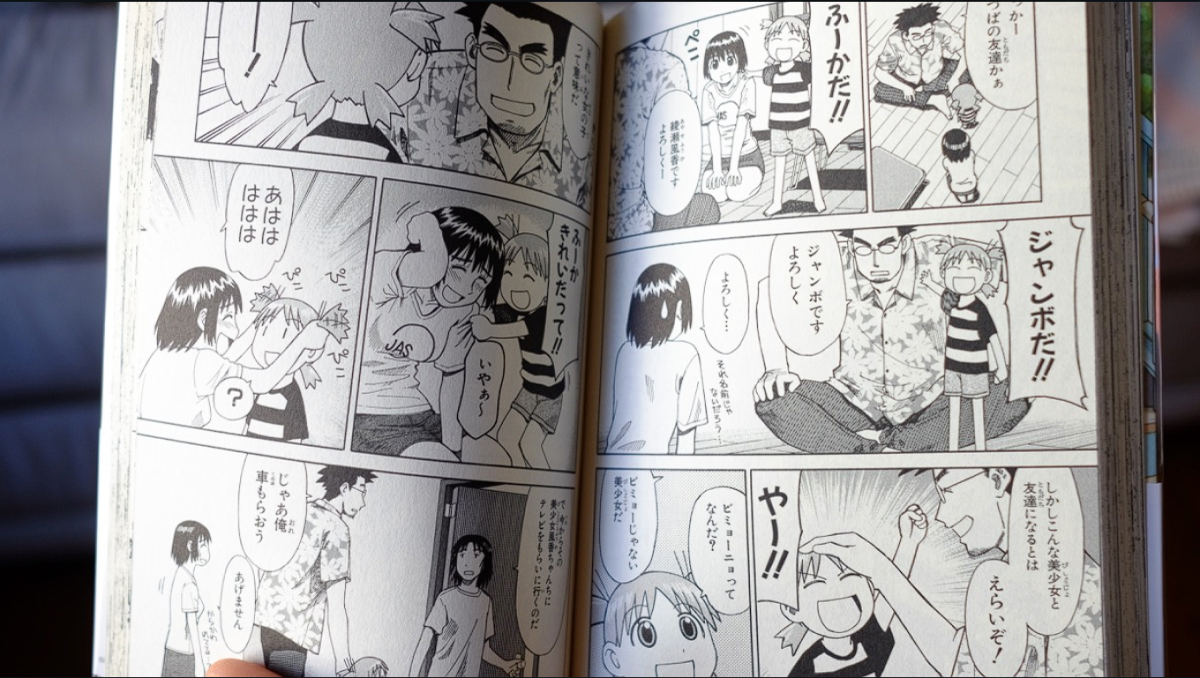
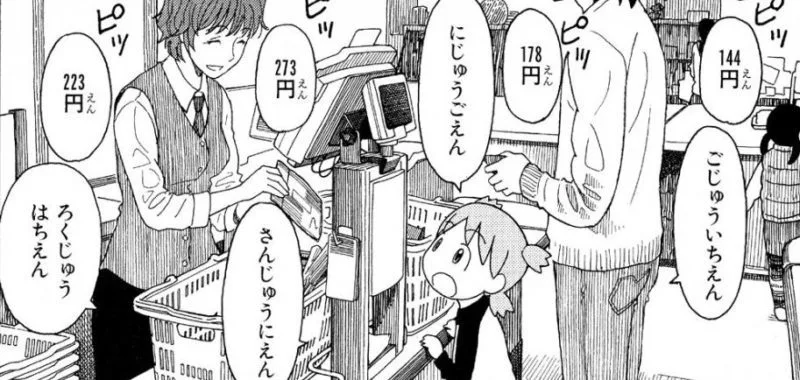
Yotsubato! is the perfect choice for those looking for a light, fun manga with simple language. It follows Yotsuba, an adorable 5-year-old girl who lives everyday adventures with her father in a quiet Japanese town.
The plot is a celebration of the small joys of life, from learning about the seasons to exploring the world around her. The simplicity of the story is reflected in the vocabulary, which is ideal for beginners. Additionally, the rural setting offers a charming glimpse into the Japanese countryside, allowing the reader to discover less explored aspects of the country's culture.
Works like Yotsubato! are ideal for those who are starting, as they combine learning new kanji with an engaging and visually rich approach.
Nihonjin no Shiranai Nihongo (日本人の知らない日本語)
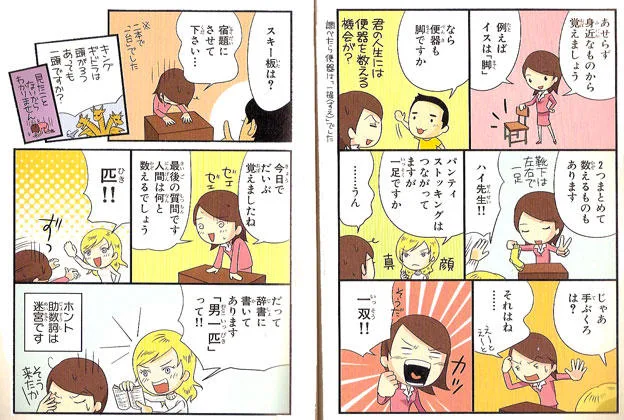
For intermediate students who want to go further, Nihonjin no Shiranai Nihongo is an essential manga. It narrates the experience of a young Japanese teacher who teaches the language to foreigners but ends up discovering peculiarities of the language that even she didn't know.
The work is rich in curiosities about the Japanese language, addressing everything from the origin of certain terms to idiomatic expressions and common mistakes made by foreigners. The dialogues are filled with cultural and linguistic nuances, offering a unique opportunity to deepen your knowledge of the language.
With only four volumes, the manga is short but packed with useful content for those who want to better understand the complexities of Japanese and how it is used by natives and foreigners.
Shirokuma Cafe (しろくまカフェ)
This manga is perfect for beginners. The story follows the daily life of a café run by a polar bear and frequented by other animals and humans. With simple dialogues and everyday situations, Shirokuma Cafe presents easy and fun vocabulary, ideal for those who are starting to study Japanese. The furigana facilitates reading, and the light tone keeps the reader engaged.

Chibi Maruko-chan (ちびまる子ちゃん)
A classic of Japanese pop culture, Chibi Maruko-chan depicts the daily life of a young student named Maruko and her family. With simple language and lots of furigana, this manga is a great choice for learning common expressions and slang used by children and Japanese families. It also brings cultural aspects from the 70s and 80s, helping the reader understand everyday life in Japan in a historical and fun way.

One Piece (ワンピース)
Although it is a longer manga with varied vocabulary, One Piece is an excellent choice for intermediate and advanced students. The epic story of Luffy and his crew explores various settings and characters, introducing a rich variety of dialects, speech styles, and slang. The themes addressed — such as friendship, dreams, and adventure — make the reading engaging, and the furigana present helps in understanding the more complex kanji.

Bakuman (バクマン。)
Written by the same authors of Death Note, Bakuman is a story about two young men who aspire to become mangaka (manga authors). This manga is especially interesting for advanced students who want to learn more about the manga industry and the technical vocabulary related to the publishing world. Additionally, it features realistic dialogues, ideal for those who want to improve their fluency.

Doraemon (ドラえもん)
One of the most iconic mangas in Japan, Doraemon is perfect for beginners. The story follows Nobita, an unlucky boy, and Doraemon, a robot from the future who helps him with technological inventions. The simplicity of the vocabulary, the constant use of furigana and the family themes make the reading educational and fun.




Community
Comments
0 comments
There are no published comments in this language yet.
Send comment