
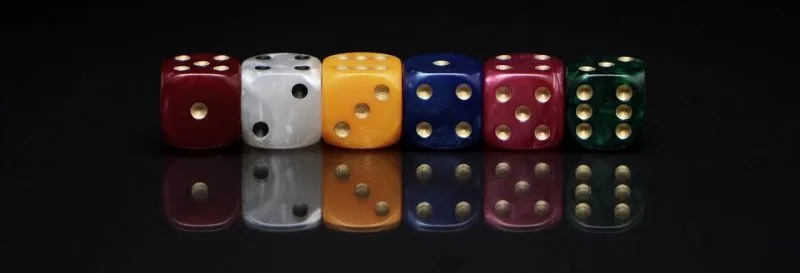
Korean numbers can look confusing at first, mostly because Korean uses two different number systems in everyday life. Once you understand when each one is used, the whole topic becomes much easier to follow.
If you are still getting used to the writing system, it helps to start with our introduction to Hangul. And if you want to go one step further, you will also need the usual quantity expressions that appear in real Korean conversations.
Contents 4
The two number systems in Korean
Korean has native Korean numbers and Sino-Korean numbers. The native system is used a lot for counting objects, age, and hours. The Sino-Korean system comes from Chinese influence and is commonly used for dates, money, minutes, addresses, phone numbers, and numbers above 99.
| Use | Common system | Examples |
|---|---|---|
| Counting objects | Native Korean | 하나, 둘, 셋 |
| Age | Native Korean | 스무 살, 서른 살 |
| Hours and minutes | Native for hours, Sino-Korean for minutes | 세 시, 삼십 분 |
| Money, dates, phone numbers | Sino-Korean | 이백 원, 이천이십육년 |
| Order in a list | Usually Sino-Korean with ordinal forms | 첫 번째, 두 번째 |
Numbers from 0 to 20
The good news is that the pattern is very logical. After 10, the numbers are formed by combining the ten with the next digit, which makes them easier to memorize than they first look.
| Number | Native Korean | Sino-Korean |
|---|---|---|
| 0 | 영 / 공 | 영 / 공 |
| 1 | 하나 (hana) | 일 (il) |
| 2 | 둘 (dul) | 이 (i) |
| 3 | 셋 (set) | 삼 (sam) |
| 4 | 넷 (net) | 사 (sa) |
| 5 | 다섯 (daseot) | 오 (o) |
| 6 | 여섯 (yeoseot) | 육 (yuk) |
| 7 | 일곱 (ilgop) | 칠 (chil) |
| 8 | 여덟 (yeodeol) | 팔 (pal) |
| 9 | 아홉 (ahop) | 구 (gu) |
| 10 | 열 (yeol) | 십 (sip) |
| 11 | 열하나 (yeol-hana) | 십일 (sip-il) |
| 12 | 열둘 (yeol-dul) | 십이 (sip-i) |
| 13 | 열셋 (yeol-set) | 십삼 (sip-sam) |
| 14 | 열넷 (yeol-net) | 십사 (sip-sa) |
| 15 | 열다섯 (yeol-daseot) | 십오 (sip-o) |
| 16 | 열여섯 (yeol-yeoseot) | 십육 (sip-yuk) |
| 17 | 열일곱 (yeol-ilgop) | 십칠 (sip-chil) |
| 18 | 열여덟 (yeol-yeodeol) | 십팔 (sip-pal) |
| 19 | 열아홉 (yeol-ahop) | 십구 (sip-gu) |
| 20 | 스물 (seumul) | 이십 (i-sip) |
Large numbers in Korean
For larger numbers, the key milestone is 만 (10,000). Korean groups numbers by ten-thousands rather than by thousands, so the structure may feel different at first, but it stays very consistent once you see the pattern.
| Number | Korean | Romanization |
|---|---|---|
| 100 | 백 | baek |
| 1,000 | 천 | cheon |
| 10,000 | 만 | man |
| 100,000,000 | 억 | eok |
When do you use each system?
- Native Korean numbers are often used for age, hours, and counting individual objects.
- Sino-Korean numbers are used for money, minutes, dates, phone numbers, addresses, and numbers above 99.
- Ordinal numbers often use forms like 첫 번째, 두 번째, and 세 번째.
That is why Korean numbers are worth learning early. They show up everywhere: on menus, prices, schedules, phone numbers, and even in everyday habits like telling the time or talking about age. If you already understand Hangul and quantity expressions, the next step is simply to connect the right number system to the right situation.
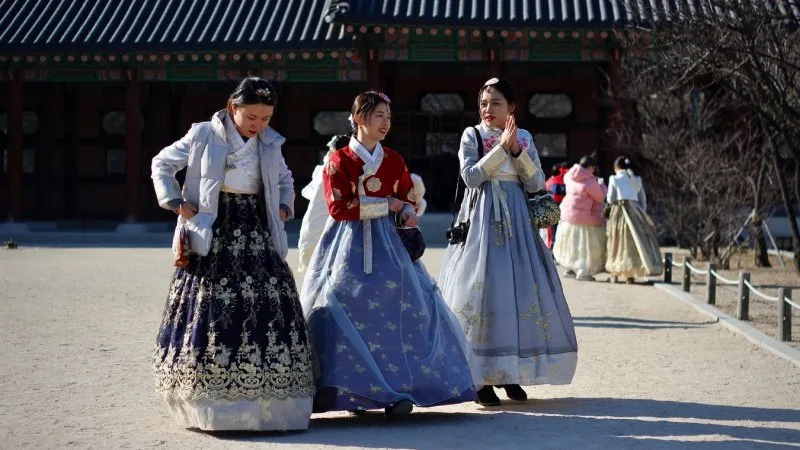
If you are still deciding which system feels easier, try reading a few examples out loud and see which one starts to feel more natural to you. Which set do you think you will remember faster: native Korean numbers or Sino-Korean numbers?



Community
Comments
0 comments
There are no published comments in this language yet.
Send comment