


Japan vs United States
Japan does not have a government that is closely linked to any religion (like most governments that are linked to Catholicism) that creates codes of morality and conduct. Fortunately, there is law and order that keeps the Japanese in line all the time. These rules are instilled from an early age in children. There is a very strong sense of right and wrong; there is not a huge number of busybodies ready to stick their noses in yours and talk about your mistakes and failures. In Japan, violent crime is relatively rare.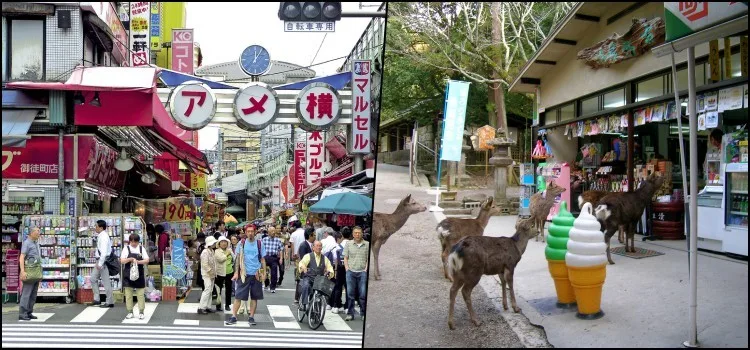 Compared to the U.S., Japan could not be a safer place to be. People do not own firearms. There are no gangs, car thefts, or crazies with rifles shooting in schools or stores.
There are no dangerous places where you cannot go even in broad daylight. You will not see numerous methamphetamine dealers, drug addicts looking like zombies everywhere. You will not find a bunch of crazies with red eyes waving assault rifles in the air and protesting against the government.
Compared to the U.S., Japan could not be a safer place to be. People do not own firearms. There are no gangs, car thefts, or crazies with rifles shooting in schools or stores.
There are no dangerous places where you cannot go even in broad daylight. You will not see numerous methamphetamine dealers, drug addicts looking like zombies everywhere. You will not find a bunch of crazies with red eyes waving assault rifles in the air and protesting against the government.
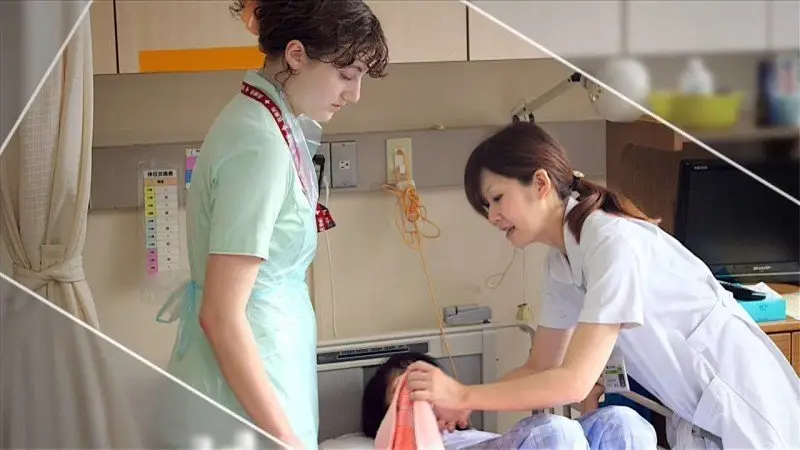 You will not find the enormous income inequality that is so prevalent in other countries that are supposedly more “moral.” A CEO of a company earning $5,000 an hour while janitors are paid with miserable wages would be an obscenity in Japan.
Nor are there tens of millions of people without health insurance like in the United States. In Japan, you do not see people dying because they cannot afford the high prices of medications.
And if you lose your wallet in your country, what are the chances of you getting it back? In Japan, there is a good chance you will recover it in the same place and without losing anything. When a disaster occurs in many Western countries, looting and theft begin. Not in Japan!
You will not find the enormous income inequality that is so prevalent in other countries that are supposedly more “moral.” A CEO of a company earning $5,000 an hour while janitors are paid with miserable wages would be an obscenity in Japan.
Nor are there tens of millions of people without health insurance like in the United States. In Japan, you do not see people dying because they cannot afford the high prices of medications.
And if you lose your wallet in your country, what are the chances of you getting it back? In Japan, there is a good chance you will recover it in the same place and without losing anything. When a disaster occurs in many Western countries, looting and theft begin. Not in Japan!
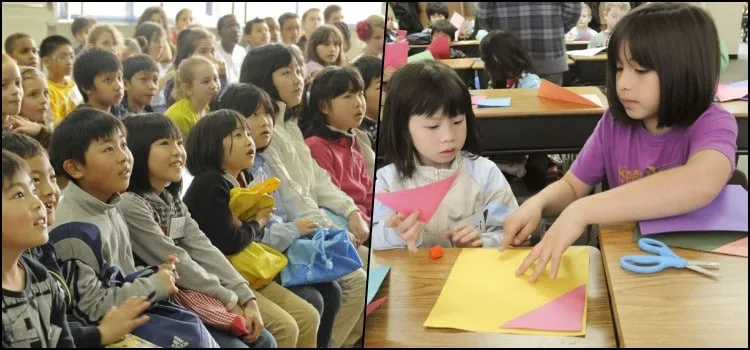 Not to mention that the Japanese are generally very friendly and welcoming to foreign visitors. The customer service in Japan will leave you feeling disappointed when you return home, angry at how you are treated in your own country. (I felt that way)...
It is also worth remembering the countless things that the Japanese do for others, but that remain hidden because boasting and standing out for an achievement is not part of Japanese culture.
Not to mention that the Japanese are generally very friendly and welcoming to foreign visitors. The customer service in Japan will leave you feeling disappointed when you return home, angry at how you are treated in your own country. (I felt that way)...
It is also worth remembering the countless things that the Japanese do for others, but that remain hidden because boasting and standing out for an achievement is not part of Japanese culture.
Of course, not everything in Japan is perfect
To conclude, the American added, since many take it literally...This does not mean that Japan is a utopia! There is a very strong sense of nationality in Japan, so much so that if a disaster happens in another country, Japan will be one of the last to help.

The suicide rate is also somewhat high; often there is no way out for people who fall into depression from losing a career or a spouse. And the notions of “equality” and “justice” of some people can become extremely strange, as there is also a strong envy complex in society.
The Japanese social and equality mentality makes many different people feel excluded and suffer mistreatment.
So, in summary, the Japanese do not want someone with their own moral compass; they want someone in accordance with the same moral compass that everyone has.




Community
Comments
0 comments
There are no published comments in this language yet.
Send comment