
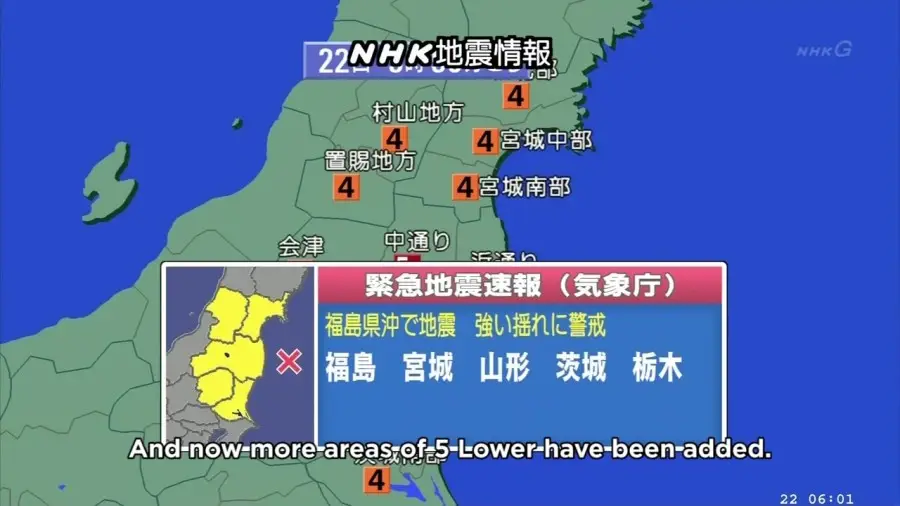
Do you know that sharp emergency sound that sometimes appears in anime or on Japanese TV? That is J-Alert, Japan's nationwide emergency warning system. It exists for one reason: to get people's attention fast when minutes or even seconds matter.
Japan uses it to warn about earthquakes, tsunami, volcanic eruptions, missile launches, severe weather, and other emergencies. If you want a little more context about the country itself, you can also read our article about the eight regions of Japan and another on the worst earthquakes in Japan.
Before we look at how it works, here is the alert sound many people remember from TV and anime references:
Contents 4
What J-Alert is for
J-Alert was created to move official warning messages from national agencies to the public as quickly as possible. In a country where earthquakes and typhoons are part of real life, that speed matters.
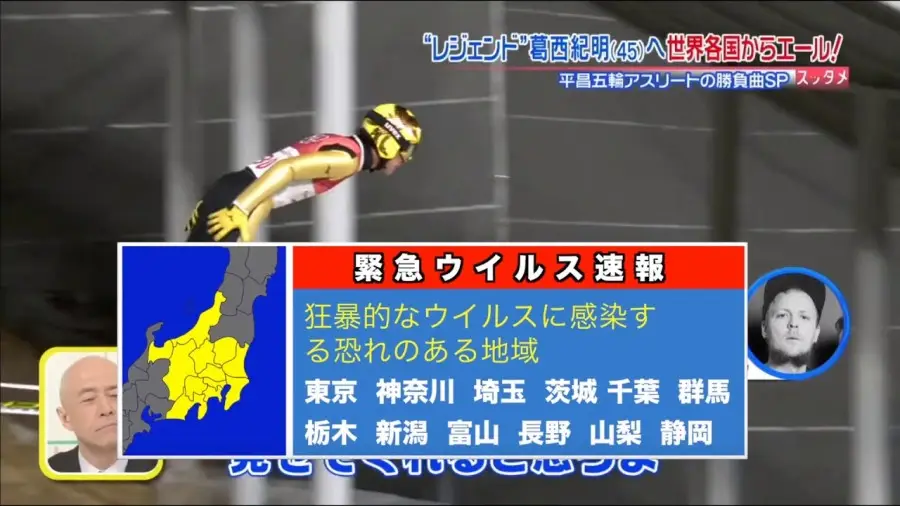
The system helps local governments, broadcasters, and emergency services deliver the message through loudspeakers, television, radio, e-mail, and mobile devices.
How the system works
When an emergency is detected, the Fire and Disaster Management Agency and other authorities share the information through J-Alert's network. The alert is then pushed to local municipalities and public channels almost immediately.
- Public loudspeakers
- Television and radio interruptions
- Emergency mobile broadcasts
- Local disaster-preparedness systems
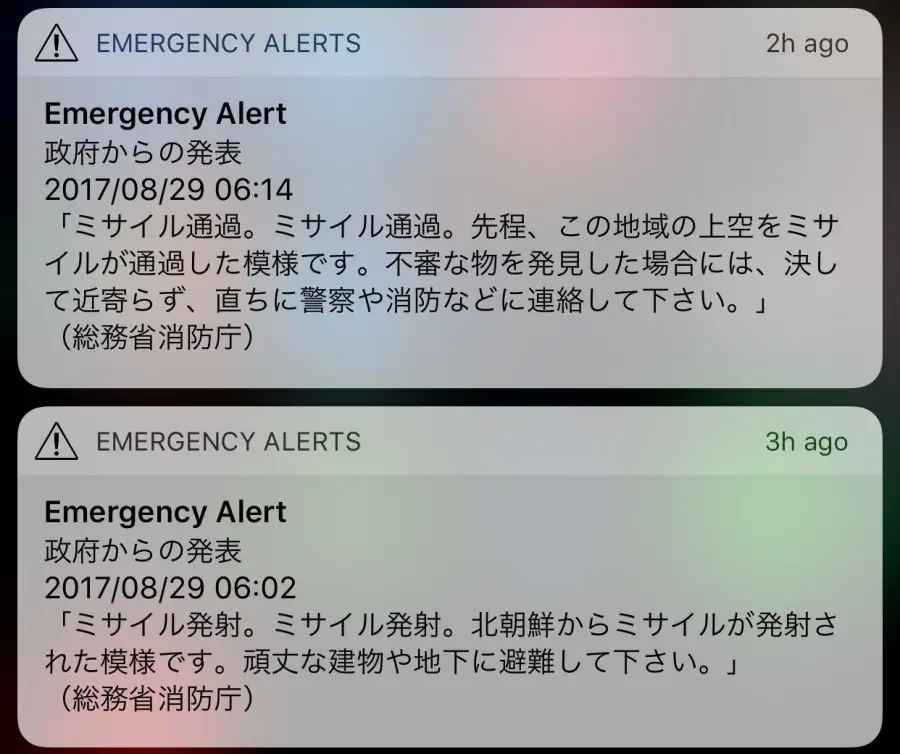
This is why the warning often feels sudden. It is meant to interrupt whatever you are doing and make you pay attention right away.
What kinds of emergencies can trigger it?
The system is used for several kinds of urgent situations:
- Earthquakes and aftershocks
- Tsunami warnings
- Volcanic activity
- Severe weather events
- Missile or other national security alerts
In practice, the message is more important than the label. If J-Alert sounds, the safe move is to check the official instruction and act quickly.
What to do when you hear J-Alert
- Stop what you are doing and read the message.
- Follow the evacuation or safety instructions exactly.
- If you are near the coast, move to higher ground immediately when a tsunami warning appears.
- Stay with official sources instead of guessing.
J-Alert is one of those systems that feels dramatic until you remember what it is built for: making sure people get warning in time. And in Japan, that is not theory, it is practical daily preparedness.
Have you ever heard that alert sound in an anime scene or a travel video and wondered what it was? That detail makes a lot more sense once you know how serious the system really is.




Community
Comments
0 comments
There are no published comments in this language yet.
Send comment