
A death toll cannot measure the full weight of a disaster, but it does show why Japan’s history of earthquakes, tsunamis, typhoons and eruptions is remembered so intensely. The figures below place the largest events side by side while keeping an important limit in view: historical totals are estimates, and modern official counts may include people missing as well as confirmed deaths.
The deadliest event in this guide is the 1923 Great Kantō earthquake. The 2011 Great East Japan Earthquake and tsunami belongs near the top for a different reason: it unfolded in an era of warnings, evacuation systems and detailed records, yet the sea still caused a devastating loss of life. Together, these events explain why disaster preparation is part of everyday life in many parts of Japan.
Contents 11
How to read this list
This is a list of major natural disasters in Japan, ordered broadly by reported loss of life. It does not include wars, epidemics or unrelated accidents. Older events often have several published totals because records were incomplete, the affected area was hard to reach, or later research counted the disaster’s secondary effects differently. For that reason, the table uses “about” where a single exact number would suggest more certainty than the historical record allows.
For recent events, Japan’s Cabinet Office disaster-management appendix is especially useful because it states when a figure combines fatalities and missing persons. The Japan Meteorological Agency also explains how earthquake and tsunami warnings are monitored and issued today.
Major disasters in Japan by reported death toll
| Reported loss of life | Disaster | Year | Main area |
|---|---|---|---|
| About 105,000 | Great Kantō earthquake | 1923 | Kantō region, including Tokyo and Yokohama |
| About 22,000 | Meiji Sanriku earthquake and tsunami | 1896 | Sanriku coast, northeastern Honshū |
| 22,325 fatalities and missing persons | Great East Japan Earthquake and tsunami | 2011 | Tōhoku Pacific coast |
| 19,113 | Siebold Typhoon | 1828 | Northern Kyūshū |
| About 15,000 | Unzen–Mayuyama disaster | 1792 | Shimabara and Ariake Sea |
| About 13,000 | Great Yaeyama tsunami | 1771 | Yaeyama Islands, Okinawa |
| 7,273 | Nōbi earthquake | 1891 | Mino and Owari, central Japan |
| 6,437 fatalities and missing persons | Great Hanshin–Awaji earthquake | 1995 | Kobe and surrounding Hyōgo Prefecture |
| 5,098 | Typhoon Vera (Isewan Typhoon) | 1959 | Ise Bay, especially Aichi and Mie |
| 3,769 | Fukui earthquake | 1948 | Fukui Plain |
| 3,756 | Typhoon Makurazaki | 1945 | Western Japan |
| 2,306 | Mikawa earthquake | 1945 | Southern Aichi Prefecture |
Events that changed Japan’s approach to risk
Great Kantō earthquake, 1923
The Great Kantō earthquake struck on 1 September 1923, close to midday, when cooking fires were widespread. Strong shaking, building collapse and fires became a deadly combination in the heavily populated Kantō region. Its place at the top of most lists is not only about the earthquake itself; it is also a reminder that a disaster’s impact depends on buildings, fire, weather and the ability to communicate after the first shock.
Meiji Sanriku earthquake and tsunami, 1896
The 1896 Sanriku event is remembered for the tsunami that followed an offshore earthquake. The waves struck coastal settlements in Iwate and Miyagi, where the narrow inlets and low-lying communities were especially exposed. It remains a key historical reference for understanding why a weakly felt offshore quake can still demand immediate attention on the coast.
Great East Japan Earthquake and tsunami, 2011
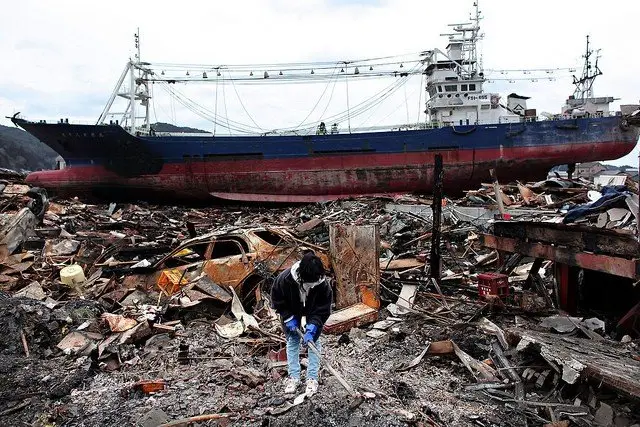
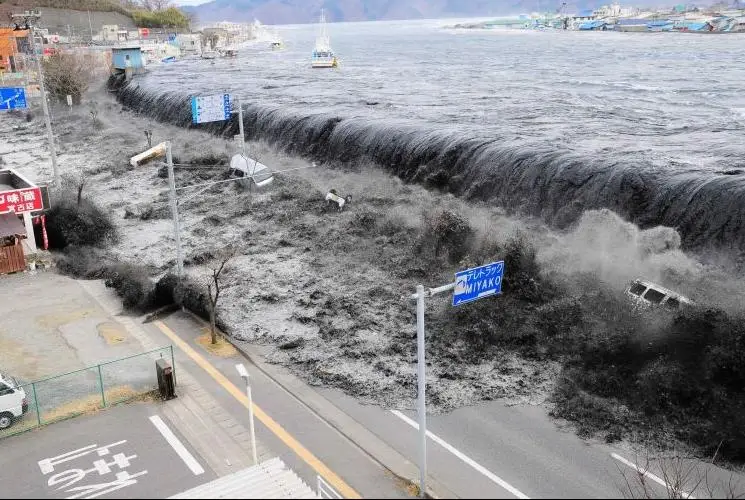
On 11 March 2011, a magnitude 9.0 earthquake off the Pacific coast of Tōhoku generated a tsunami that crossed ports, towns and farmland. The Cabinet Office figure of 22,325 combines fatalities and people still missing as of its stated reference date. The event also shows why Japan treats tsunami alerts as urgent instructions rather than background information. For a broader look at the sea waves themselves, see our guide to tsunamis that happened in Japan.
Unzen–Mayuyama disaster, 1792
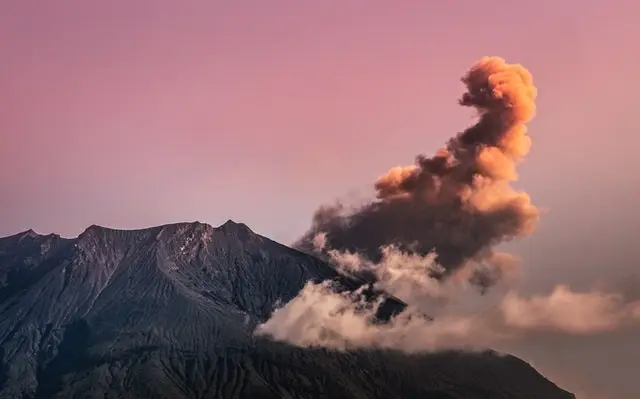
The 1792 disaster around Mount Unzen involved earthquakes, a collapse of the Mayuyama dome and a tsunami across Ariake Sea. It is often called Japan’s deadliest volcanic disaster, although the sequence matters more than the label: landslide and tsunami losses were both part of the same catastrophe.
Great Hanshin–Awaji earthquake, 1995
The 1995 earthquake struck near Kobe before dawn. The official national summary lists 6,437 fatalities and missing persons. Damage to homes, elevated roads and transport networks made the disaster a major turning point for building standards, emergency response and public awareness. Our overview of the worst earthquakes in Japan adds context on other destructive quakes.
Why Japan faces several kinds of natural disaster
Japan lies where several tectonic plates interact, so earthquakes and volcanic activity are persistent risks. Its long coastline creates exposure to tsunamis, while warm seas and seasonal weather bring typhoons, heavy rain and landslides. The pattern is not that every disaster is inevitable at the same scale; it is that different regions need to prepare for different combinations of hazards.
Modern warning systems reduce risk, but they do not remove the need for fast decisions. JMA can issue tsunami warnings within minutes when damaging waves are expected, and local guidance identifies evacuation routes and shelters. If earthquakes are a source of anxiety, practical preparation helps more than treating every tremor as a prediction; our article on overcoming earthquake fear approaches that question calmly.
What these numbers can and cannot tell us
A ranked list is useful for orientation, not for turning tragedy into a contest. A smaller number can still describe a community changed for generations, while a larger historic total may be revised as archives are studied. The useful lesson is comparative: the disasters above involve different hazards, but each became deadlier where warning, evacuation, construction or communication could not keep pace with the event.
When checking a figure elsewhere, look for the definition behind it. Does it count confirmed deaths only, or deaths and missing persons? Does it cover the immediate event, later fires and related flooding? That context is why this list uses reported totals and links to current official material for recent national records.



Community
Comments
0 comments
There are no published comments in this language yet.
Send comment