
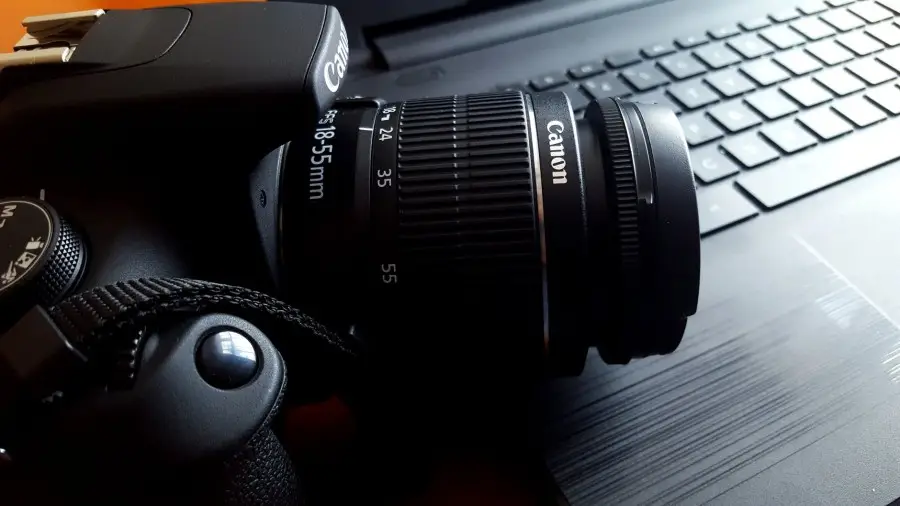
The Japanese culture is marked by a deep respect for privacy and personal space, and these characteristics are reflected in the filming and photography rules in the country. For tourists, understanding these norms is essential to avoid uncomfortable situations or even legal issues. Although Japan does not have specific laws regarding photography in public places, privacy is taken seriously, and there are several cultural and social guidelines that must be respected.
In this article, we will explore the main rules related to filming and photography in Japan, present places where the practice may be restricted, and offer some useful phrases for you to communicate while taking photos.
Contents 8
Places and Situations with Filming and Photography Restrictions
Stores, Restaurants, and Temples
Although filming in public places is not illegal, many private establishments, such as stores and restaurants, prefer to maintain discretion about their internal methods and practices. Temples and shrines, especially in their internal areas, often have restrictions on filming, considering it intrusive or disrespectful. Pay attention to the signs, which are often in English or with universal symbols.
When visiting places like historic temples or traditional gardens, respect the tranquility of the environment. Taking photos without permission can be considered rude.
Shows and Events
Most concerts, theater shows, and events in Japan strictly prohibit photography and recordings. This rule aims to protect the privacy of the artists and the audience, as well as to avoid issues related to piracy. Organizers usually place signs in visible locations, and non-compliance may lead to removal from the venue.
Why does the restriction exist? Besides safety, the restrictions also ensure an immersive and uninterrupted experience for all viewers.
Train Stations and Busy Places
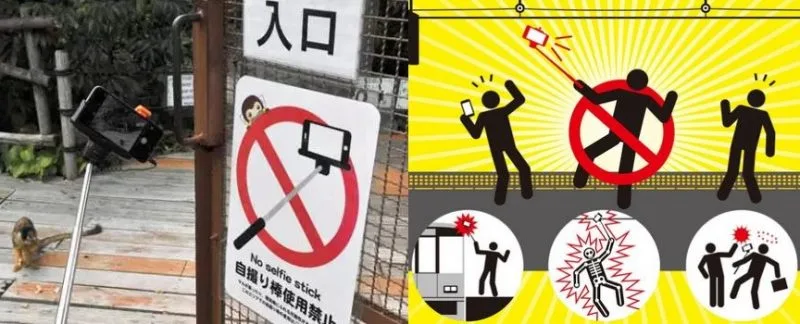
In the busy train stations of Japan, especially those operated by JR, the use of selfie sticks is prohibited for safety reasons. In crowded places, the equipment can cause accidents or discomfort.
Avoid using flash in indoor environments, such as trains and subways. Many passengers find this annoying or invasive.
Privacy Considerations
In Japan, even in public places, a person's image is protected by privacy law. If you publish photos or videos in which someone appears without consent, especially on social media, you may be held responsible if the person feels harmed.
How to Avoid Problems
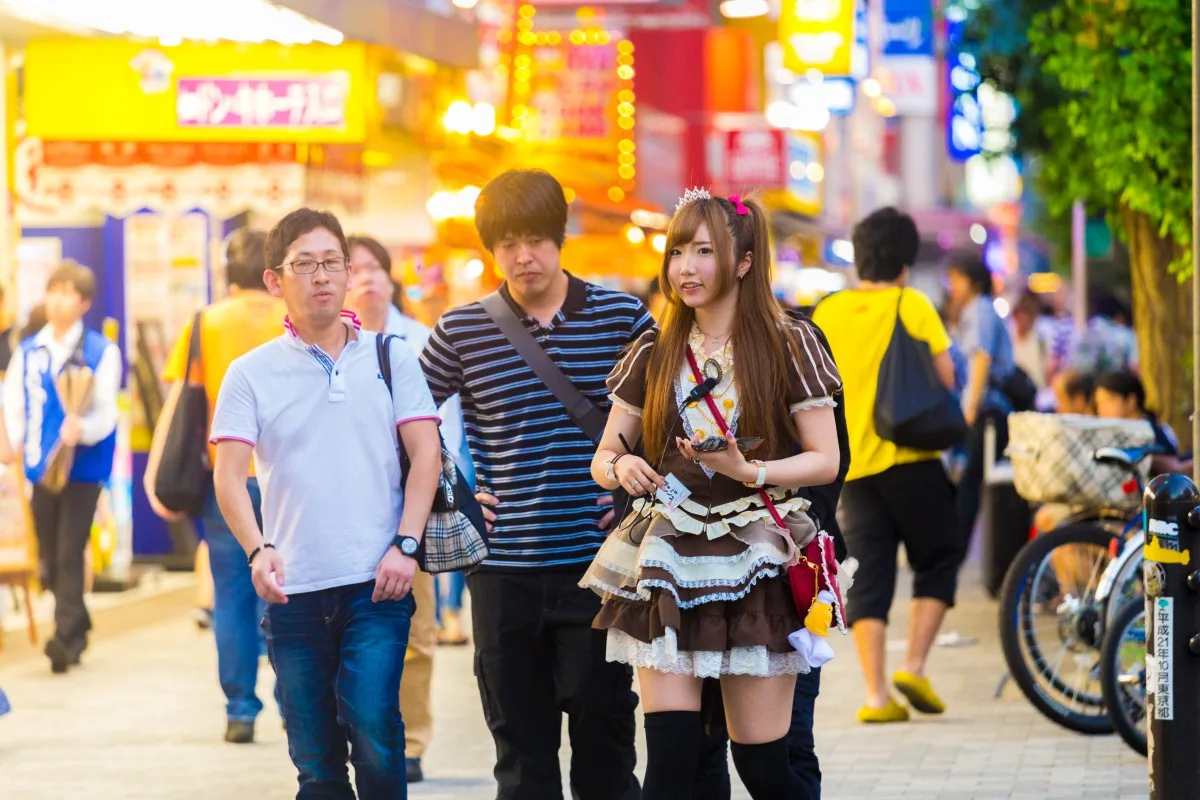
- Whenever possible, ask for permission before taking photos of individuals, such as cosplayers, establishment staff, or street performers.
- If someone says "ダメ (Dame)," which means "not allowed," immediately respect the person's wishes.
- Blurring faces of people in published photos is a common practice to avoid future conflicts.
Useful Phrases for Taking Photos in Japan
Learning a few simple phrases in Japanese can greatly help when asking for permission to photograph or getting help from a local. Here are some practical expressions:
ここで写真を取っていいですか。
Koko de shashin o totte īdesu ka.
Can I take photos here?
写真を撮っていただけますか?
Shashin o totte itadakemasu ka.
Can you take a photo of me?
このボタンを押すだけです。
Kono botan o osu dake desu.
Just press this button.
もう一枚お願いします。
Mou ichimai onegai shimasu.
One more photo, please.
写真を撮りましょうか?
Shashin o torimashou ka.
Can I take a photo?
一緒に写真に入っていただけませんか?
Issho ni shashin ni haitte itadakemasen ka.
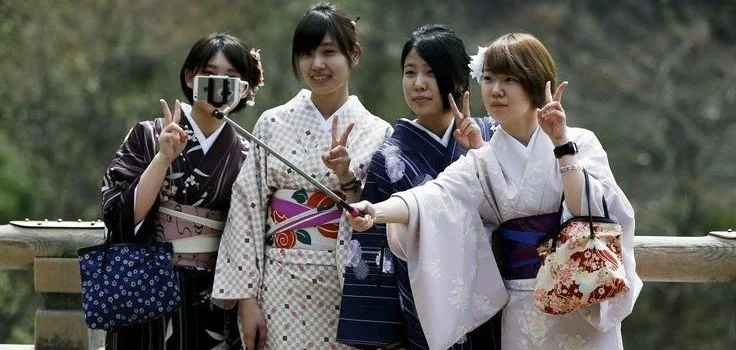
Can we take a photo together?
Vocabulary Related to Cameras and Photography in Japanese
To conclude, let's leave some words to add to your vocabulary:
- 写真 (shashin) - Photography
- カメラ (kamera) - Camera
- 撮影 (satsuei) - Photographing/Filming
- レンズ (renzu) - Lens
- フラッシュ (furasshu) - Flash
- シャッター (shattā) - Shutter
- ズーム (zūmu) - Zoom
- 三脚 (sankyaku) - Tripod
- ポートレート (pōtoreeto) - Portrait
- 風景 (fūkei) - Landscape
- 撮る (toru) - To take (a photo)
- 現像 (genzō) - Development (of photos)
- 構図 (kōzu) - Composition
- ピント (pinto) - Focus
- 光 (hikari) - Light
- 露出 (roshutsu) - Exposure
- フィルター (firutā) - Filter
- アルバム (arubamu) - Album
- プリント (purinto) - Print (of photos)
- デジタル (dejitaru) - Digital
- ISO感度 (ISO kando) - ISO sensitivity
- シャープネス (shāpunesu) - Sharpness
- ぼけ (boke) - Bokeh
- スローモーション (surō mōshon) - Slow motion
- ビデオ撮影 (bideo satsuei) - Video recording
- フィルム (firumu) - Film

Community
Comments
0 comments
There are no published comments in this language yet.
Send comment