
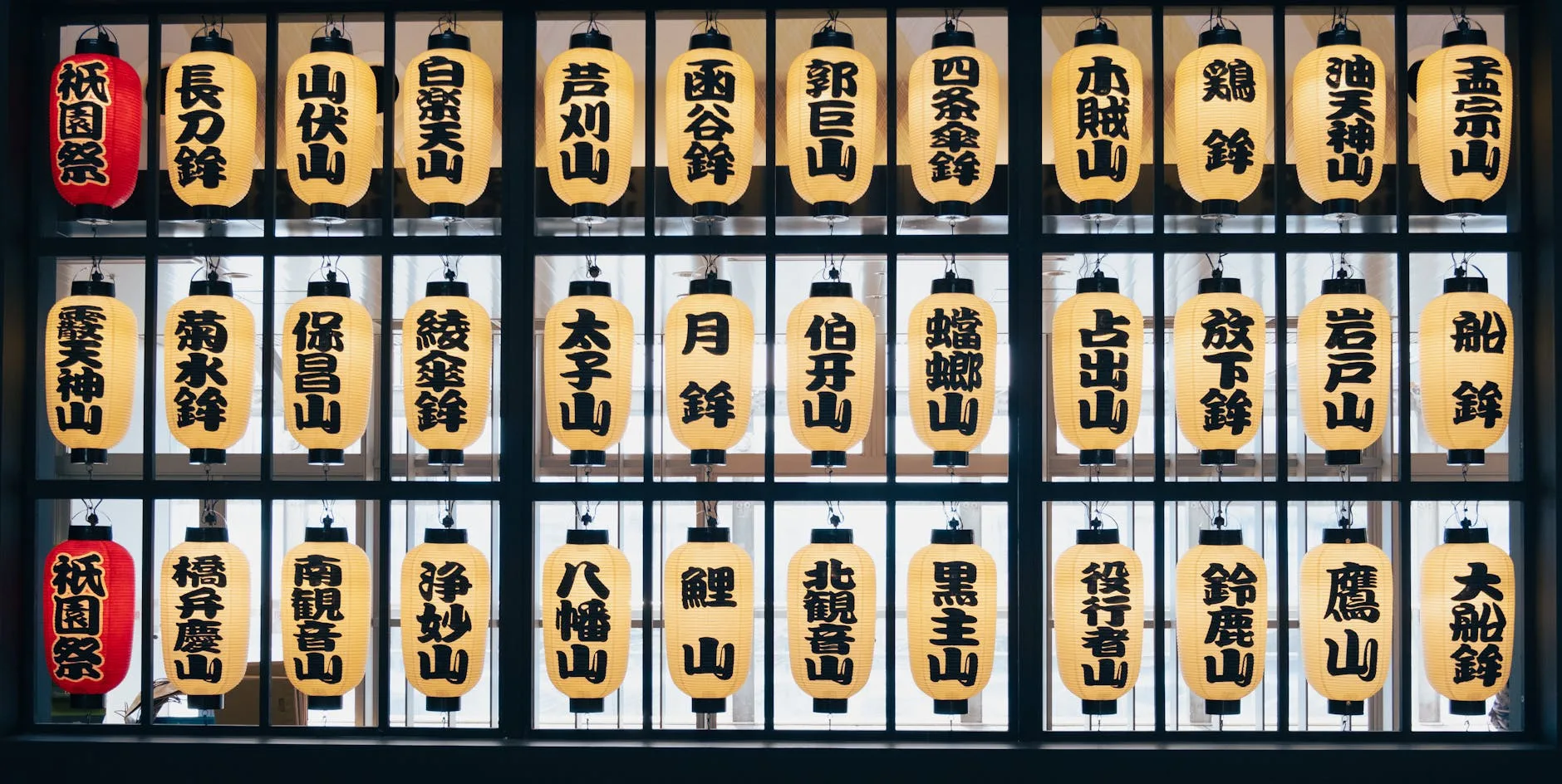
Most Japanese people do not have middle names. In Japan, a legal name usually has only two parts: a family name and a given name. If you run into what looks like an extra name, it is usually tied to an international background, a second nationality, marriage, or a document rule outside the standard Japanese naming system.
This is one reason Japanese names can confuse readers who are used to Western forms. A Japanese name may look short on paper, but that does not mean it is incomplete. The structure follows a different tradition, and the order can also change depending on whether the name is shown in Japanese or in English.
Contents 5
How Japanese names are usually structured
In everyday Japanese usage, the usual pattern is family name + given name. In other words, the surname comes first and the personal name comes second. That is why a name like Tanaka Yuki is already complete without any middle element between the two.
Outside Japan, the order is sometimes flipped to match Western expectations, so the same person may appear as Yuki Tanaka. That change in order can make people think something is missing, but the name itself is still the same two-part structure.
Why middle names are uncommon in Japan
The main reason is legal and historical. Japan uses the koseki, the family register, as the official record for Japanese nationals. The Ministry of Justice describes it as the public record that documents family relationships and identity from birth to death. In practice, that system is built around a surname and a given name rather than a separate middle-name slot.
Because of that, most Japanese citizens grow up, study, work, marry, and sign documents without needing a middle name at all. Meaning, family history, and personal preference are often expressed through kanji choice, reading, and naming tradition instead of adding another name in the middle.
When a Japanese person might seem to have a middle name
Exceptions usually come from international situations, not from the standard domestic pattern. A person with dual nationality, one Japanese parent and one foreign parent, or a life split between Japan and another country may use a longer name abroad. In those cases, a Western-style middle name can exist in one legal system even if it does not function the same way inside Japanese records.
That is why you sometimes see a Japanese person with what looks like three names on a foreign document, a school record, or a social profile. The extra element usually reflects another country's naming rules, not a common naming custom inside Japan itself.
Why passports and forms create so much confusion
This is where many readers get mixed up. The Ministry of Foreign Affairs explains that Japanese passports are based on the name recorded in the family register, but they may also show a former surname, an alternative surname, or an alternative given name in brackets when that is necessary for life abroad. That can make a passport look more complex even though the core legal name in Japan still follows the usual two-part structure.
Foreign forms create a second problem. Many systems assume everyone has a middle name field, even when the person does not. For most Japanese people, that field is simply left blank or handled according to the exact name shown on the passport or official document being used.
- In Japan: the normal structure is family name plus given name.
- In English contexts: the order may be reversed for readability.
- On international forms: an extra field may appear even when the person has no middle name.
- On passports: an alternative name may be shown for practical reasons abroad, but that does not automatically mean Japan uses middle names in the usual sense.
So do Japanese people have middle names?
Usually, no. For the overwhelming majority of Japanese citizens, the standard name is simply surname plus given name. If you find an apparent exception, there is usually an international explanation behind it rather than a hidden middle-name tradition.
If you are reading a Japanese passport, filling out a form, or trying to understand a name in anime, family records, or news coverage, the safest starting point is simple: assume two name parts first, then check whether an overseas context changed how the name was written.


Community
Comments
0 comments
There are no published comments in this language yet.
Send comment