
In most countries, the adoption process is allowed even for children of other foreigners.
In Japan, only in 2011, 430 children were adopted. But, according to BBC News, data from the Japanese government shows that there are approximately 39,000 children in institutions for adoption.
Among developed countries, Japan has the lowest adoption rate. Let's understand better the reasons, rules, and history behind the process.
Contents 4
How did adoption originate in Japan?
The Japanese began practicing adoption during the Nara period (710-794). During this period, adoption was marked by rules and social concepts that favored male children.
This happened because the reason for adopting was to benefit the adopter in continuing household services and caring for the family, which could only be done by a male child. In the absence of biological sons, adoption was chosen.
Another reason for parents to resort to adopted children was when the legitimate son could no longer be deemed suitable for the family's succession.
During the Nara period, adoption was also used as a mechanism to create alliances. That is, children could be adopted between families. However, it was during the Kamakura period (1185-1333) that family alliances began, where it was common to adopt male children even if the family already had biological children.
During this period, even a father-in-law could adopt sons-in-law in the absence of a son, and he would take the surname of his wife's family. But the condition was that the adopted child had to have at least one sibling to continue the lineage of the biological family.
In 1948, revisions were made to the civil code for the benefit of adoptees and not just for those purposes. But in Japan, adoption in most cases is done by close relatives.
The Japanese view on adoption
Unlike other countries, in Japan this adoptive process becomes even more complicated because the child's bond with the biological family is allowed. According to the law, even if the child is removed from the care of the biological parents, they still retain custody over her and can decide her future.
That is why many children left in orphanages since infancy end up staying in the institution until they turn eighteen.
Unfortunately, adoption is not well accepted in Japan, as they are very attached to blood ties. Adopting can be seen as an act of shame. But when someone does adopt, the family even moves to another city to present the child as a biological child.
But it is not so simple to hide this information due to the Japanese family registry called Koseki (戸籍). This registry must contain all family information, including the details of the adoptee, who must have the names of both the adoptive family and the biological family.
Despite these challenging situations, small changes are being made regarding this. Fukuda Hospital located in Kumamoto is the first Japanese hospital with a Special Adoption Service. Children under six years old can be placed for adoption at the hospital itself.
The special adoption service is legalized and approved by the Ministry of Health and the Japan Medical Association. To participate, adoptive parents cannot offer money to the institution. Those interested in adoption must hire a lawyer for the adoption process.
Once approved, the child will completely sever ties with the biological family. They will take the surname of the adoptive parents, and the Koseki will list the child as a legitimate child, without needing to register that they were adopted.
Can foreigners adopt Japanese children?
If adoption is already complicated for the Japanese, imagine for outsiders! Adoption of children by foreigners is only allowed as a last resort because relatives usually have priority. But it is possible to adopt as long as the foreigner resides in Japan.
As we have seen, the Japanese value lineage very much, and adopting breaks that. But being a developed country, the Japanese government does not have a problem in "caring" financially for these children.
One of the options for those interested in adopting is to check the phone list and address on the website of the Ministry of Health, Labor, and Welfare (it is in Japanese). Or contact Fukuda Hospital.
For a foreigner to adopt is not impossible, but it requires patience as it is a lengthy process.
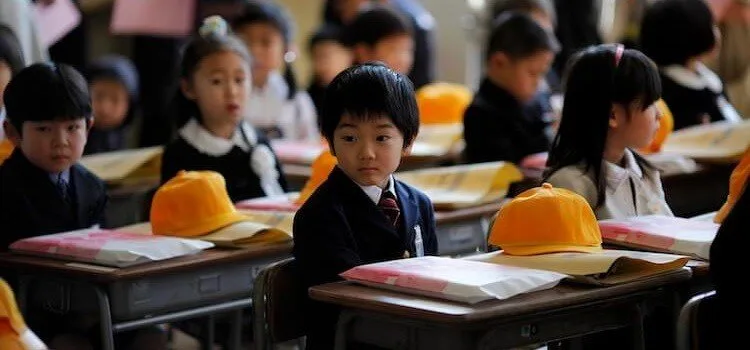
Another simpler possibility for adoption due to less bureaucracy is when the child goes to live with a family without being legally adopted. In 2008, there were only 3,611 children living in foster homes under this regime. This number is small compared to the number of children living in orphanages.
In the case of legal adoption, there are two types: regular and special. The most common is the regular type, which is when the child does not lose parental ties with their biological family.
The special type is aimed at children under six years old and is the most suitable for international adoptions.
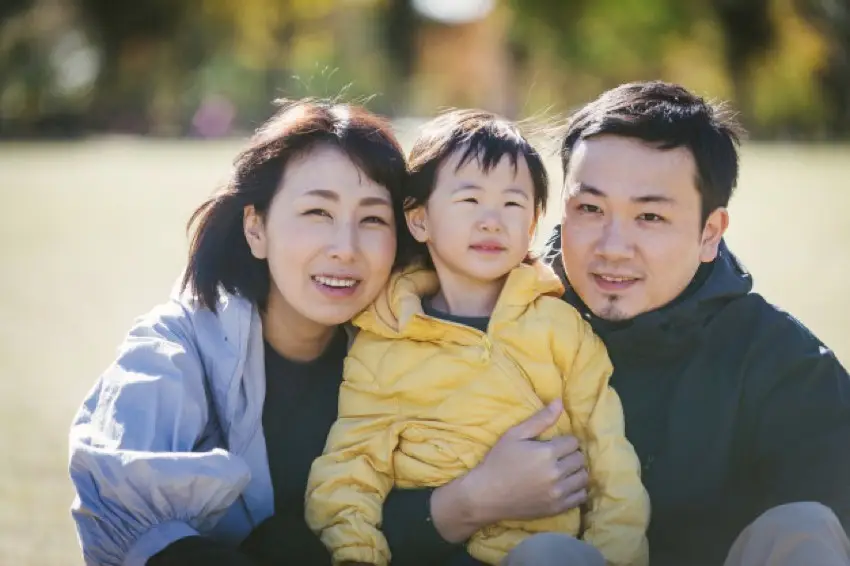
Adult adoption
In Japan, this is more common than one might think! This happens to preserve a generation in case there are no heirs. It is common for male individuals to be adopted by owners of family businesses to take over the business.
World-renowned companies like Toyota, Suzuki, and Canon do this to ensure the business lasts for generations.



Community
Comments
0 comments
There are no published comments in this language yet.
Send comment