
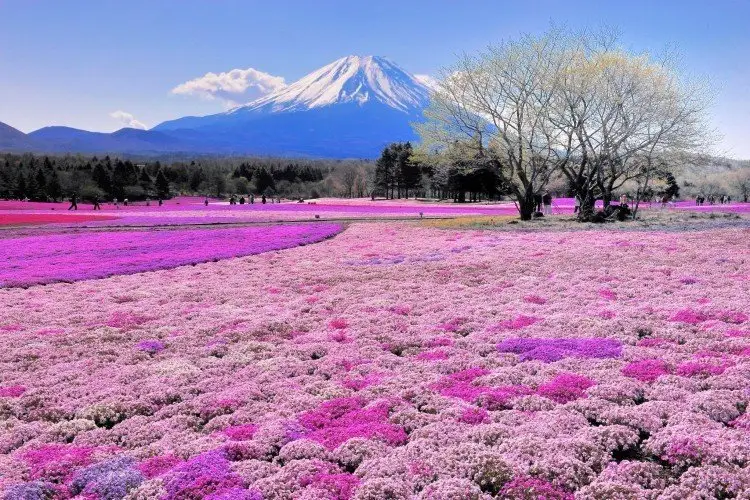
Flowers have a special meaning in Japanese culture and are highly valued for their beauty and symbolism. Since ancient times, flowers have been used in important ceremonies and celebrations, such as weddings, funerals, festivals, and religious ceremonies. Each flower has its own symbolic meaning, which is often mentioned in Japanese literature, poetry, and art.
In this article, we will present 50 Japanese flowers and their meanings, from the most well-known and popular to the lesser-known, but equally valued in Japanese culture. To help you navigate, we have also classified the flowers based on their popularity and symbolic meaning.
Among the most popular flowers in Japan are sakura (Japanese cherry blossom), ume (Japanese plum), kiku (Japanese chrysanthemum), ayame (Japanese iris), and himawari (Japanese sunflower). In addition to these, we will present another 45 Japanese flowers with their respective symbolic meanings and cultural stories.
Get ready for a journey of beauty and symbolism as we explore the world of Japanese flowers and their significance in Japanese culture and tradition.
We also recommend reading:
- Hanakotoba – Meaning of flowers in Japanese
- Hanami Guide – Enjoying flowers in Japan
- Shinrin Yoku – Japanese tradition of forest bathing
Table of Contents
Sakura: The Cherry Blossom
Sakura, or cherry blossom, is probably the most well-known and iconic Japanese flower. It has a special meaning in Japanese culture, symbolizing the beauty and transience of life. The cherry blossom is appreciated during “hanami,” a Japanese tradition of enjoying flowers and having picnics under the fully blooming cherry trees.
Every spring, cherry trees bloom all over Japan, creating stunning landscapes with their delicate pink flowers. The cherry blossom has been the subject of countless works of art and poetry, and continues to be a lasting symbol of Japan and its culture.
In addition to its cultural and symbolic importance, the cherry blossom is also valued for its aesthetic beauty. There are over 200 varieties of cherry trees, each with its own characteristics and flower colors, ranging from pure white to deep pink.

Ume: The Plum Blossom
Ume, or plum blossom, is another highly appreciated and celebrated Japanese flower. The plum blossom is one of the first to bloom each year, usually in late winter or early spring, symbolizing resilience and renewal. Plum flowers are a sign that spring is coming, bringing hope and joy after the cold winter months.
Plum flowers are very similar to cherry blossoms, but can be distinguished by their petals, which are more rounded and lack notches. Plum flowers also have a sweet and delicate fragrance that attracts people and pollinators. They vary in color from white to deep pink and are often used in floral arrangements and as artistic motifs in paintings, ceramics, and fabrics.
The tradition of enjoying plum blossoms, called “ume matsuri,” takes place in various parts of Japan, with festivals and events dedicated to celebrating the beauty of these flowers. During the blooming season, people visit parks and gardens with plum trees to enjoy the flowers and take photographs. Additionally, the Japanese plum (Prunus mume) is valued not only for its flowers but also for its fruits, which are used in Japanese cuisine to make preserves, liqueurs, and other delicacies.
Also read: Japanese Garden – Guide to traditional gardens in Japan

Kiku: The Chrysanthemum
Kiku, or chrysanthemum, is an extremely popular and significant Japanese flower that plays an important role in the culture and traditions of the country. The chrysanthemum is the national flower of Japan and represents nobility, longevity, and resilience. The throne of the Japanese emperor is known as the “Chrysanthemum Throne,” and the flower is also used as an imperial symbol and in Japanese heraldry.
Chrysanthemums come in a wide variety of shapes and colors, from simple flowers with only a few petals to extremely elaborate and double flowers. They can be found in a variety of colors, such as white, yellow, orange, pink, red, and purple. The diversity and beauty of chrysanthemums make them a popular choice for floral arrangements and decorations at events and celebrations.
In Japan, the Chrysanthemum Festival is a tradition that celebrates the beauty and importance of this flower. The festival takes place throughout the country, usually in October and November, when chrysanthemums are in full bloom. During the festival, gardens and temples are decorated with elaborate arrangements and exhibitions of chrysanthemums, often showcasing unique forms and styles of cultivation. Visitors appreciate the flowers and participate in activities related to Japanese culture and traditions.
We recommend reading: Chrysanthemum – The symbol of the Japanese Throne

Ayame: The Japanese Iris
Ayame, or Japanese iris, is another flower widely appreciated in Japan for its beauty and cultural significance. There are several species of iris native to Japan, such as Iris ensata (Japanese iris) and Iris laevigata (water iris). These stunning flowers are especially popular in Japanese gardens and as themes in art and poetry.
The Japanese iris is known for its large and elegant petals, which can come in a wide range of colors, including purple, blue, white, yellow, and pink. The blooming of irises occurs in late spring and early summer, attracting visitors to gardens and parks to admire their beauty. The iris also has medicinal properties and is used in traditional Japanese medicine.
The tradition of enjoying Japanese irises is called “kakitsubata matsuri.” During this festival, people visit gardens and parks with iris plantings and participate in special events, such as dance and music performances. Iris gardens are specially designed to display the flowers harmoniously, integrating landscape elements like stones and water to create a tranquil and contemplative atmosphere.

Tsubaki: The Japanese Camellia
Tsubaki, or Japanese camellia, is a flower highly valued in Japan for its elegance and lasting beauty. The Japanese camellia is native to East Asia and has been especially popular in Japan, where it has been cultivated for centuries. There are many varieties of camellias, with flowers ranging from white to deep red and from pink to yellow.
The camellia is known for its large and showy flowers, which bloom in winter and spring. The flowers are composed of several layers of petals, with some varieties having simple flowers while others have double flowers. The camellia is a perennial plant that retains its bright green leaves year-round, adding visual interest to gardens even when not in bloom.
The Japanese camellia has been cultivated and appreciated for centuries, both as an ornamental plant and for its medicinal and cosmetic properties. The oil extracted from camellia seeds is known as “tsubaki-abura” and is traditionally used for hair and skin care. Additionally, the camellia is also a symbol of love and admiration in Japanese culture, and its flowers are often used in floral arrangements and tea ceremonies.
Also read: Food in Japanese – List of Words and Vocabulary

Higanbana: The Spider Lily
Higanbana, also known as the spider lily or Lycoris radiata, is a unique and distinctive Japanese flower. Higanbana has a striking appearance, with bright red petals that curl back and long stamens that protrude outward, creating a shape reminiscent of a spider. This stunning flower blooms in autumn, providing a vibrant touch of color at the end of the flowering season.
Higanbana has a unique cultural significance in Japan, where it is associated with the afterlife and the passage of time. It is often found growing near cemeteries and temples, and it is believed that the flower helps guide the souls of the deceased on their journey to the beyond. The flower is also known for its toxicity, traditionally used as a pest repellent for rodents and insects.
Despite its association with death and toxicity, Higanbana is admired for its unique and striking beauty. Its presence in autumn landscapes, such as rice fields and riverbanks, attracts visitors who wish to capture the ephemeral beauty of this flower. Higanbana has also been represented in Japanese art and literature, symbolizing the impermanence of life and the passage of time.

Yuzu: The Japanese Lemon Flower
Yuzu is a flower from the Japanese lemon tree highly valued for its fragrant aroma and unique citrus flavor. The yuzu flower is generally white, small, and delicate, blooming in spring. Although yuzu flowers are not as prominent as flowers from other plants, such as cherry blossoms or camellias, they are still highly valued for their importance in Japanese cuisine and traditional remedies.
Yuzu is a medium-sized citrus fruit that grows on Japanese lemon trees. The fruit has a rough skin and a tangy flavor, and is often used to make seasonings, sauces, beverages, and sweets. The yuzu flower is used in teas and medicinal baths, and is known for its relaxing and invigorating properties.
In Japan, yuzu is appreciated as a symbol of luck and prosperity, and is often used in celebrations and festivals. Yuzu is widely cultivated throughout the country, especially in the Shikoku and Kyushu regions, where the warm and humid climate is conducive to its growth. Visitors who wish to experience the unique flavor and fragrance of yuzu flowers can visit specialty tea and food shops or participate in festivals dedicated to this delicious citrus fruit.
Also read: Citrus fruits of Japan – Yuzu, Kinkan, Daidan, and Sudachi

Ajisai: The Japanese Hydrangea
Ajisai, or Japanese hydrangea, is a very popular flower in Japan for its beauty and diversity of colors. Ajisai is native to East Asia, and its name in Japanese means “purple garden flower.” The flowers are large, with multiple petals that vary in color from white to pink, blue, and violet.
The blooming of hydrangeas occurs during summer, filling gardens and parks with colors and fragrances. Hydrangeas are often planted in Japanese gardens, public parks, and along streets, adding a touch of color and beauty to the urban landscape. Additionally, hydrangeas are often used in floral arrangements and tea ceremonies, symbolizing humility and grace.
The tradition of enjoying hydrangeas is called “ajisai matsuri” and takes place in many parts of Japan during the blooming season. During this festival, people visit parks and gardens with hydrangea plantings and participate in cultural activities and special events. Additionally, Ajisai is often used in wedding decorations, where it symbolizes sincere love and marital happiness.

Fujibakama: The Autumn Herb
Fujibakama, or autumn herb, is a rare Japanese flower highly valued for its beauty and importance in the culture and traditions of the country. Fujibakama is a flower that blooms in September, usually in mountainous terrains and uncultivated areas. It is known for its delicate and fragrant white petals, which open in a shape similar to camellia flowers.
Fujibakama is a flower that has been cultivated and appreciated for centuries in Japan. It is often used in tea ceremonies and floral arrangements, where it is valued for its unique beauty and delicacy. The flower is also considered a symbol of purity and simplicity, important values in Japanese culture.
Despite its beauty, Fujibakama is a rare and endangered flower. It grows in mountainous areas and is often threatened by human activities, such as deforestation and urbanization. As a result, the cultivation and preservation of Fujibakama have become a priority for many botanical gardens and conservation institutions in Japan.

Sumire: The Japanese Violet
Sumire, or Japanese violet, is a flower native to Japan that blooms in winter and early spring. Sumire is a small and delicate flower, with heart-shaped petals that vary in color from white to purple. This flower is one of the first to bloom in spring and is often seen in gardens and public parks throughout the country.
Sumire has an important cultural meaning in Japan, often associated with humility, modesty, and sincere love. The flower is frequently used in wedding ceremonies, where it symbolizes devotion and eternal love. Additionally, Sumire is also appreciated as an ingredient in many Japanese dishes, such as desserts, teas, and beverages.
In Japan, the cultivation and appreciation of Sumire are an integral part of the country’s culture. There are many different varieties of violets, each with its own distinct characteristics and unique beauty. People visit gardens and public parks throughout the country to admire the beauty of violets and participate in festivals and exhibitions related to the flower.

Nadeshiko: The Wild Pink Flower
Nadeshiko, or wild pink flower, is a flower that grows in the mountains and fields throughout Japan. The flower has a sweet and gentle aroma and a simple, elegant beauty. The petals of Nadeshiko vary in color from pink to red, and the flower blooms throughout the summer.
Nadeshiko is highly valued in Japanese culture, often used as a symbol of beauty and femininity. The flower is frequently mentioned in Japanese poetry and literature, and is a popular theme in paintings and other works of art. Additionally, Nadeshiko is used in many traditional Japanese floral arrangements, adding a delicate touch of color and aroma.
Despite its beauty, Nadeshiko is a rare flower and threatened with extinction in some parts of Japan due to habitat loss and environmental degradation. As a result, the preservation and cultivation of Nadeshiko have become a priority for many botanical gardens and conservation organizations throughout the country.
Also read: Konmari – 13 tips from the famous Japanese organization method

Tsubaki: The Japanese Camellia
Tsubaki, or Japanese camellia, is a very popular flower in Japan for its beauty and simplicity. Tsubaki has large, bright petals that vary in color from white to pink and red. The flower blooms in winter and early spring, providing a touch of color and beauty at a time of year when many other flowers do not bloom.
Tsubaki is highly valued in Japanese culture, often used in floral arrangements and tea ceremonies. The flower is often associated with purity, elegance, and modesty, and is a popular symbol of beauty and femininity. Additionally, Tsubaki seed oil is used in many Japanese beauty products due to its moisturizing and antioxidant properties.
Camelias are widely cultivated throughout Japan, and there are many different varieties of Tsubaki available, each with its own beauty and distinct characteristics. People visit gardens and public parks throughout the country to admire the beauty of camellias and participate in festivals and exhibitions related to the flower.
Botan: The Japanese Peony
Botan, or Japanese peony, is a flower highly appreciated in Japan for its lush beauty and medicinal properties. Botan has large, bright petals that vary in color from white to red and pink, and blooms in spring. The flower is often used in floral arrangements and tea ceremonies, and is highly valued for its sweet and gentle fragrance.
Botan is known for its medicinal properties and is often used in traditional Japanese medicine to treat a wide variety of ailments and conditions. The flower is rich in antioxidants and anti-inflammatory substances, and is considered a natural remedy for fatigue, headaches, joint pain, and other health issues.
In addition to its medicinal properties, Botan is highly valued for its beauty and elegance. People visit botanical gardens and public parks throughout the country to admire the flowers of Botan and participate in festivals and exhibitions related to the flower. Additionally, Botan is often used in wedding decorations and other ceremonies, where it symbolizes love and marital happiness.

Kikyo: The Japanese Bellflower
Kikyo, or Japanese bellflower, is a flower native to Japan that grows in mountainous terrains and uncultivated areas. Kikyo has star-shaped petals that vary in color from white to blue and violet, and blooms in summer and early autumn. The flower is highly valued in Japanese culture for its delicate beauty and symbolic meaning.
Kikyo is often associated with humility and sincerity, and is a popular symbol of friendship and true love. The flower is frequently used in tea ceremonies and floral arrangements, adding a delicate touch of color and aroma. Additionally, Kikyo is often mentioned in Japanese literature and poetry, where it is valued for its beauty and simplicity.
People visit gardens and public parks throughout Japan to admire the beauty of Kikyo and participate in festivals and exhibitions related to the flower. Additionally, Kikyo is often used in wedding decorations and other ceremonies, where it symbolizes fidelity and devotion.

Yukiyanagi: The Japanese Willow
Yukiyanagi, or Japanese willow, is a tree native to Japan that is highly valued for its beauty and cultural importance. The tree has an elegant and graceful appearance, with long branches and delicate leaves that gently sway in the wind. Yukiyanagi blooms in early spring, producing small yellow flowers that add a touch of color and beauty to the landscape.
Yukiyanagi is often used in floral arrangements and tea ceremonies, and is a popular symbol of elegance and simplicity. The tree is frequently mentioned in Japanese literature and poetry, where it is valued for its beauty and its ability to symbolize the transience of life. Additionally, Yukiyanagi is often used in landscaping, adding a touch of serenity and harmony to gardens and public parks.
People visit botanical gardens and public parks throughout Japan to admire the beauty of Yukiyanagi and participate in festivals and exhibitions related to the tree. Additionally, Yukiyanagi is often used in wedding decorations and other ceremonies, where it symbolizes harmony and peace.

Hagi: The Japanese Bush Clover
Hagi, or Japanese bush clover, is a plant native to Japan that blooms in late summer and early autumn. The plant has dark green leaves and small, delicate flowers that vary in color from white to pink and purple. Hagi is highly valued in Japanese culture for its beauty and its symbolic importance.
Hagi is often associated with humility and perseverance, and is a popular symbol of overcoming and resilience. The plant is frequently mentioned in Japanese literature and poetry, where it is valued for its delicate beauty and its ability to symbolize strength and determination. Additionally, Hagi is often used in floral arrangements and tea ceremonies, adding a touch of color and aroma to the decoration.
People visit gardens and public parks throughout Japan to admire the beauty of Hagi and participate in festivals and exhibitions related to the plant. Additionally, Hagi is often used in wedding decorations and other ceremonies, where it symbolizes perseverance and determination.

Renge: The Japanese Lotus
Renge, or Japanese lotus, is an aquatic plant highly appreciated in Japan for its beauty and symbolic meaning. The plant has large and showy flowers that vary in color from white to pink and red, and is one of the most sacred and important plants in Japanese Buddhist culture.
Renge is often associated with spiritual purity, renewal, and enlightenment, and is a popular symbol of peace and harmony. The plant is often used in Buddhist ceremonies and rituals, where it is valued for its ability to symbolize the spiritual journey of the individual. Additionally, Renge is often mentioned in Japanese literature and poetry, where it is valued for its beauty and its ability to symbolize eternal life.
People visit Buddhist temples and public gardens throughout Japan to admire the beauty of Renge and participate in festivals and exhibitions related to the plant. Additionally, Renge is often used in wedding decorations and other ceremonies, where it symbolizes purity and spiritual renewal.

Himawari: The Japanese Sunflower
Himawari, or Japanese sunflower, is a popular and highly valued flower in Japan for its beauty and symbolism. The flower has bright yellow petals that surround a dark central disk, and is one of the most well-known and loved flowers worldwide. Himawari blooms in summer and is highly valued in Japanese culture for its joy and vitality.
Himawari is often associated with happiness, optimism, and love, and is a popular symbol of friendship and loyalty. The flower is frequently used in floral arrangements and decorations, adding a touch of color and joy to the environment. Additionally, Himawari is often mentioned in Japanese literature and poetry, where it is valued for its beauty and symbolism.
People visit gardens and public parks throughout Japan to admire the beauty of Himawari and participate in festivals and exhibitions related to the flower. Additionally, Himawari is often used in wedding decorations and other ceremonies, where it symbolizes happiness and prosperity.

Other Japanese Flowers
Want more flowers? Here you go:
- Ayatori: a flower similar to a daisy that blooms in early spring.
- Botan: the popular Japanese peony, blooms in late spring and early summer.
- Fuji: the wisteria flower, a vine that blooms in spring.
- Hanashobu: the Japanese iris that blooms in late spring and early summer.
- Katakuri: a small violet flower that blooms in early spring.
- Nadeshiko: a pink flower with fringed petals that blooms in summer.
- Rengetsu: the flower of the azalea, which blooms in early spring.
- Satsuki: the flower of the Japanese rhododendron, which blooms in early summer.
- Shion: the Japanese violet flower, which blooms in late spring and early summer.
- Tsubaki: the popular Japanese camellia, which blooms in winter and early spring.
Names of flowers in Japanese with Kanji
Not satisfied yet? Here are more Japanese flowers:
- Akebi (アケビ)
- Amanatsu (甘夏)
- Aoi (葵)
- Asagao (朝顔)
- Asatsuyu (朝露)
- Azami (薊)
- Botanboufu (牡丹防風)
- Chrysanthemum yezoense (蝦夷菊)
- Fuyu-gaki (冬柿)
- Gaku (岳)
- Gomphrena (千日紅)
- Hanaguruma (花車)
- Hanaikada (花筏)
- Hanakotoba (花言葉)
- Hanamomo (花桃)
- Hanazakura (花桜)
- Higanbana (彼岸花)
- Hikagezakura (日陰桜)
- Himesayuri (姫小百合)
- Hototogisu (杜鵑)
- Inuharigon (犬針子)
- Katsura (桂)
- Kikyō (桔梗)
- Kirishima (霧島)
- Kokia (コキア)
- Kuchinasi (梔子)
- Kusabira (草茸)
- Kuwana (桑名)
- Nadeshiko (撫子)
- Nageia (南天竹)
- Nezumisou (鼠草)
- Obana (尾花)
- Renzokuujou (連続鳩杖)
- Sagiso (鷺草)
- Sazanka (山茶花)
- Shakuyaku (芍薬)
- Shirayuri (白百合)
- Suisen (水仙)
- Tachibana (橘)
- Tawara (俵)
- Tenjikubotan (天竺牡丹)
- Tomoe (巴)
- Tsurukame (鶴亀)
- Utsugi (空木)
- Wagayama (我谷)
- Wakamurasaki (若紫)
- Yamabuki (山吹)
- Yama-aoi (山葵)
- Yomogi (蓬)
- Yurine (百合根)
Flower Vocabulary in Japanese:
To finish, let’s leave a video below showing some flowers in Japanese:
Leave a Reply