
A crowded platform, an awkward family dinner, an apology that feels impossible to make: ordinary problems can produce very unusual jobs. Japan is not a land where everyone uses these services, but businesses do exist for moments when a person needs company, a stand-in, or a little help carrying out a social role.
That is what makes the subject more interesting than a list of odd headlines. Behind the novelty are real limits, private situations, and a market for assistance that can be practical, emotional, or simply memorable.
Contents 8
1. Oshiya: the famous train pushers
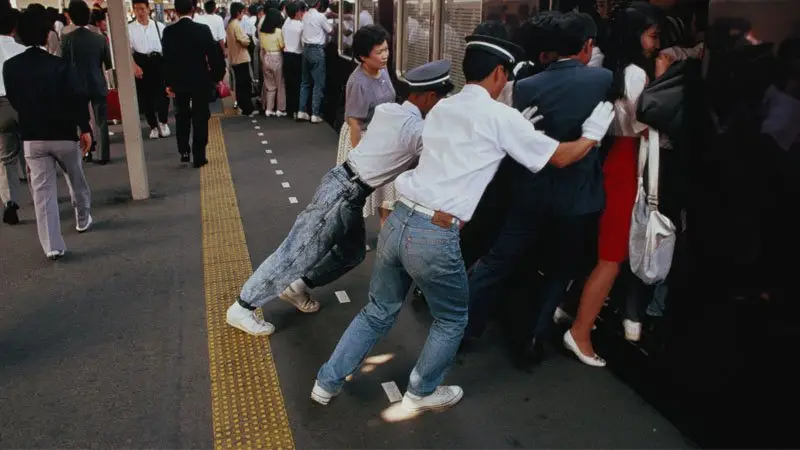
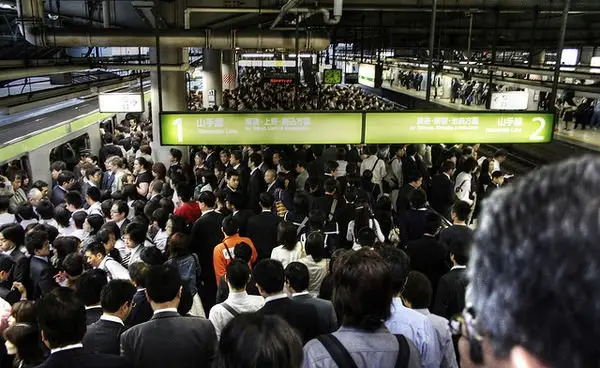
Oshiya (押し屋) literally means “pusher.” The term is associated with railway staff who help passengers board very crowded trains during peak periods. Photographs of oshiya have become one of the best-known images of Tokyo rush hour, although they should not be mistaken for a daily attraction at every station or on every line.
The strange part is not the idea of railway staff managing a crowd; cities everywhere need that. It is the visible, hands-on way the job entered popular imagination. In a packed carriage, a few seconds of coordination can make the doors close safely and keep the platform moving.

2. Rental friends and family
Hiring someone to spend time with you can sound like a joke until the reason becomes concrete. A client may want company at an event, help navigating a difficult conversation, a person to accompany them to a hospital, or simply a calm presence for an afternoon. Some companies describe these offerings as rental friends or rental family services.
The boundaries matter. A booked companion is not a replacement for a genuine relationship, and the terms differ from one provider to another. Still, the service shows how seriously a temporary social role can be treated. For a related story focused on one well-known example, see Shoji Morimoto’s rental companion service.
3. Stand-ins for weddings and formal occasions
At a wedding or engagement dinner, an empty seat can attract more attention than anyone wants. Stand-in services can provide people to play the role of a guest, friend, relative, or colleague when a client needs support at a formal occasion. The work is less about acting for an audience than about following a request with discretion and clear rules.
This is also why the subject deserves more care than the phrase “fake friend” suggests. The service may be used for a one-time social obligation, not as a casual trick. A reputable provider will explain what can be requested, who will be present, and where the line is.
4. Apology proxies
A shazai daikō (謝罪代行) service sends a representative to help deliver an apology on a client’s behalf. The situation might involve a workplace dispute, a neighbor, or a personal conflict. No representative can erase the original problem, but the existence of these services says something about how difficult a direct apology can feel when a relationship is already tense.
An apology made through a proxy is not a magic solution. It may be inappropriate in many situations, especially where accountability must remain personal. Yet it is a real category of service, built around preparation, mediation, and the pressure of facing someone who is hurt or angry. The social meaning of saying sorry is explored further in Japanese apologies and their context.
5. Solo wedding photo sessions
A solo wedding is a bridal photo experience without a partner or a legal marriage. A customer can choose a gown, hair and makeup, a studio setting, and photographs for a birthday, a personal milestone, or the simple wish to wear wedding clothes. It is closer to a carefully staged photo session than to a conventional ceremony.
The idea may sound theatrical, but its appeal is easy to understand: people do not have to postpone a desired experience until their life matches a particular script. Services vary by studio, so availability, clothing, guests, and photography packages should always be checked directly with the venue.
6. “Grandma” services and everyday help
Some agencies employ older women for tasks where experience, conversation, or a reassuring presence is part of the value. Depending on the company, the work can include household help, a companion for an appointment, advice, or attendance at an event. Calling it a “grandma service” makes the headline easy to remember, but the workers are not a costume: their knowledge and time are the service.
It is one of the warmer examples on this list. The client may need practical help; the worker may want flexible work and a place where decades of ordinary skills still matter.
7. Mimikaki: ear-cleaning as a quiet service
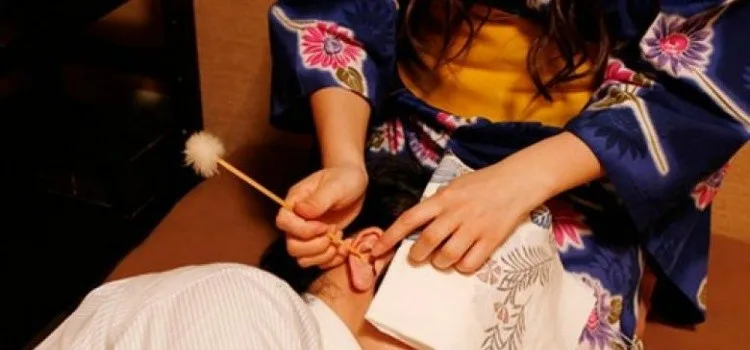
Mimikaki (耳かき) is the Japanese word for ear cleaning and the small tool used for it. In some urban settings, the familiar act has been offered as a short personal service, sometimes in a relaxed, nostalgic atmosphere. It is unusual precisely because many people elsewhere would think of it only as something done at home.
It should not be confused with medical treatment. Anyone with ear pain, hearing loss, discharge, or a suspected injury should seek qualified medical care rather than a novelty service. As with the other entries here, the useful question is not whether it sounds strange from afar, but what need it is trying to meet.
Why these services stand out
None of these businesses represents everyday life for all of Japan. Their appeal comes from taking a familiar need—space on a train, company, ceremony, an apology, a photograph, or care—and giving it a formal shape. That can look eccentric from outside, but it also makes the service easier to define, request, and pay for.
If you are considering any personal service while visiting or living in Japan, read the provider’s conditions carefully. Confirm the language offered, boundaries, cancellation policy, and exactly what is included. The most unusual service is still a service, and clarity is what keeps an interesting story from turning into an uncomfortable situation.





Community
Comments
0 comments
There are no published comments in this language yet.
Send comment