
Many people know the word Hinode from perfumes, make-up and cosmetics made in Brazil. It began as a Japanese word, however, and it means sunrise. This article explains how the word is built, what it carries and why a Brazilian company picked it.
Contents 6
Hinode means sunrise
The word is written with two characters: 日の出. The first, 日, means sun or day and is read no here. The second, 出, means to come out or to appear and is read de. Put together they describe the sun coming out.
In daily use the word appears in set phrases such as hatsu-hinode, the first sunrise of the year, and in weather reports when the time of sunrise is given. The time itself can be written as 日の出時刻, sunrise time.

Spoken aloud, it runs together as a single word with a short i in the first syllable and an open e at the end. Shop signs in Japan usually print the characters, while Latin letters appear on packaging meant for export.
What the word carries
Because sunrise marks the start of a day, the word also suggests beginning and renewal. At New Year, hatsu-hinode stands for wishes of health, peace and prosperity, and families gather to see the first light of the year.
That second meaning is why the name works for a cosmetics brand. A sunrise promises a fresh start, and a product that touches the skin fits the image without effort.
Related words for the sun
Japanese draws finer lines here than a single English word suggests. Asahi [朝日] is the morning sun and appears often in poems and names. Yoake [夜明け] is the light before sunrise, and akatsuki [暁] is the early dawn.
The opposite, sunset, is nichibotsu [日没], or yūhi [夕日] when the evening light is meant. Anyone learning hinode should pick up these words too, because they turn up together in ordinary texts.

The land of the rising sun
The idea goes back a long way. In a letter to the Chinese court in 607, Japan described itself as the land where the sun rises and China as the land where it sets. The formula 日出ずる国 is still familiar today.
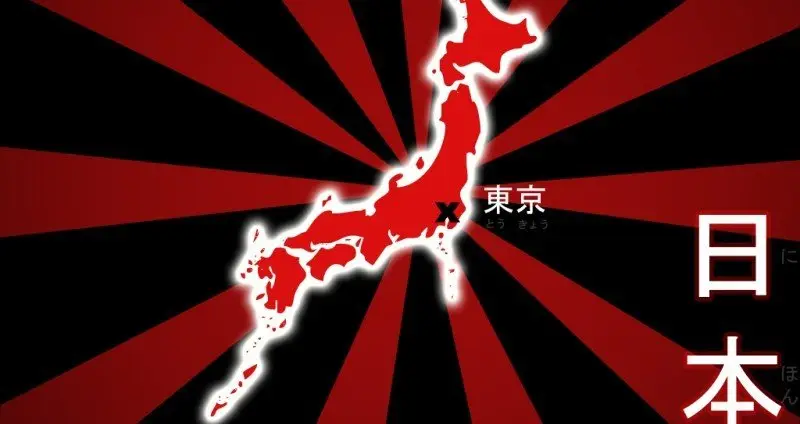
The country name belongs to the same picture. Nihon or Nippon [日本] literally means origin of the sun, the place where the sun begins. The label is older than the modern word hinode and still shapes how the country presents itself.
Hinode as a place name
Hinode is also a place. The town of Hinode sits in the west of Tokyo Prefecture, and some districts and stops carry the name as well. On signs, the word appears far beyond weather forecasts.
Hotels, trains and viewing points use it too, because many places advertise a view of the first light of the day.
Why a Brazilian company uses the name
The brand Hinode comes from Brazil. Francisco and Adelaide Rodrigues started in 1988 with a small cosmetics line in a garage in São Paulo, and the business grew into direct sales. Network marketing followed later, in 2008 according to the company.
The name was a deliberate choice: sunrise as an image of a new beginning that the company promises its consultants. Apart from the meaning of the word its founders borrowed, the firm has no link to Japan.
Anyone interested in such word stories will find similar explanations for ganbatte and for the toast kanpai. How the script works overall is covered in the guide to how Japanese is written and read.




Community
Comments
0 comments
There are no published comments in this language yet.
Send comment