
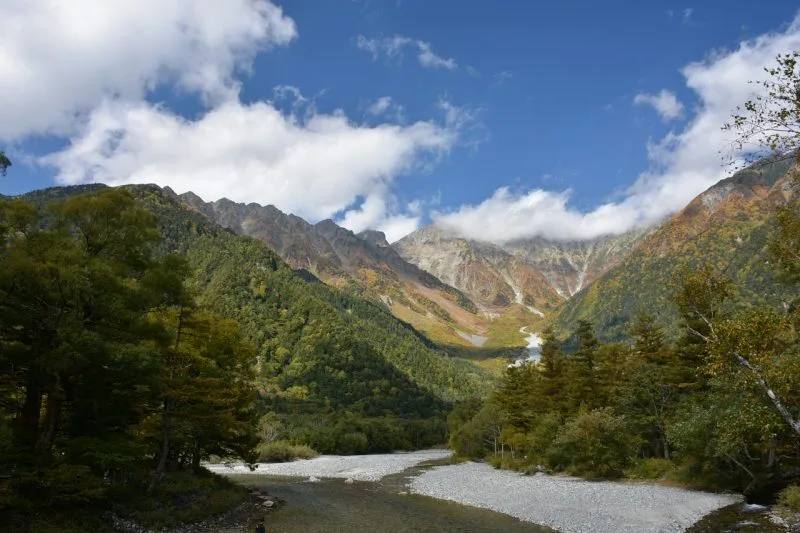
A little while ago, we talked about Yomi, which is the world of the dead. Now let's talk about the other half called Takamagahara [高天原], or Takama-ga-hara, better known as the Plain of High Heaven.
This is a place in Japanese mythology. By the name, we can already imagine a sacred place, right? It is the home of the heavenly kami. To get there, there is no other way than to leave this world.
You can already guess that people prefer this Takama-ga-hara to Yomi. It's like many say, everyone wants to go to heaven, but no one wants to die. But anyway, we will talk a little about how Japanese myth treats the plain.
Takamagahara [高天原] is written with the ideograms [高] for high, [天] for heaven and [原] for plain or field.

Takamagahara: The Plain of High Heaven
In Shinto, Takamagahara, or Takama-no-hara, is the dwelling of the celestial kami. The place is sacred, and its followers revere it. Amaterasu is the kami charged with ruling the plain.
It is as if it were the opposite of Yomi. At first glance, one is the high plain and the other is the land of the dead, each with its own beginning and its own rules. A bridge joins this plain to the earth in the stories: the Ame-no-ukihashi, the Floating Bridge of Heaven. In the Kojiki, Izanagi and Izanami stand on that bridge and stir the sea with a jeweled spear until the first island, Onogoro, takes shape. Yomi is the realm whose pass Izanagi blocks with a great rock.
Then you might ask me: But what is there? Well, that's a good question.
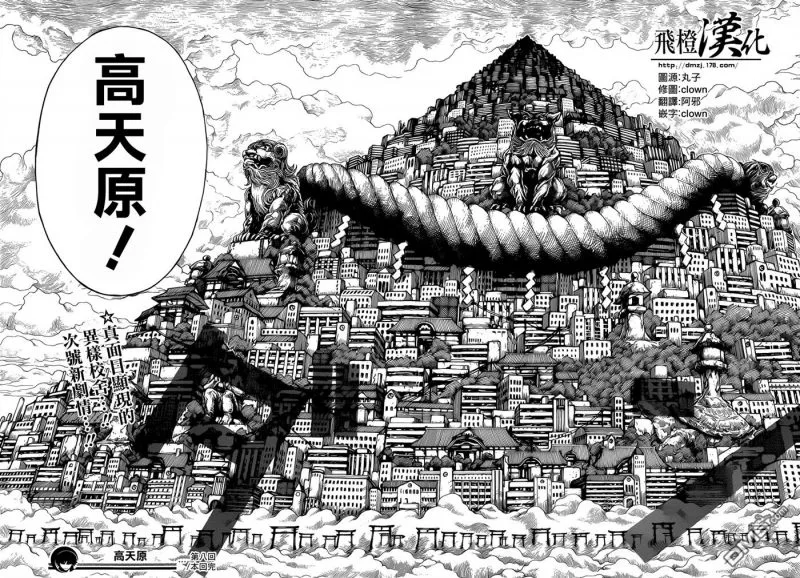
That panel is a modern manga city set on the clouds. The Kojiki draws a different picture, and it starts when heaven and earth begin. The first kami to come into being in Takama-no-hara is Ame-no-Minakanushi, then Takamimusubi, then Kamimusubi. After them come Umashiashikabihikoji and Amenotokotachi. These five are the kotoamatsukami, the separate heavenly kami. Each one is born alone, and then hides.
The ama-tsu-kami are the kami of heaven: the ones who live on the plain, and the ones born there who later come down to the land. The kuni-tsu-kami are the kami of the land itself, already there before the heavenly grandchild descends. When the Kojiki reaches Susanoo, life on the plain looks close to life on the ground. There is a river, the Ame-no-yasukawa, the rock cave of Ame-no-iwato, rice fields and a hall for weaving. In that same book, Amaterasu is born when Izanagi washes his left eye after he returns from Yomi, and he gives her the plain to rule.
The Nihon Shoki starts while heaven and earth are still mixed together. The clearer part thins away and becomes heaven. The heavier part settles and becomes earth, so heaven is formed first. From that heaven the ama-tsu-kami come down to pacify the Central Land of Reed Plains, Ashihara-no-Nakatsukuni. The one people remember is Ninigi. He is Amaterasu's grandson, and he leaves Takamagahara to rule the land below.
People have argued for a long time about where to put this plain. One view treats it as a religious heaven. Another looks for an old capital on the ground. The Kojiki speaks of high heaven, and the old books leave the map open.
Ready to go TO TAKAMA-GA-HARA?
After you read the article about Yomi, you already have the sealed pass and the floating bridge in view. Therefore, it is not good to take either place lightly. Both belong to Japanese religion, and both deserve the same care.
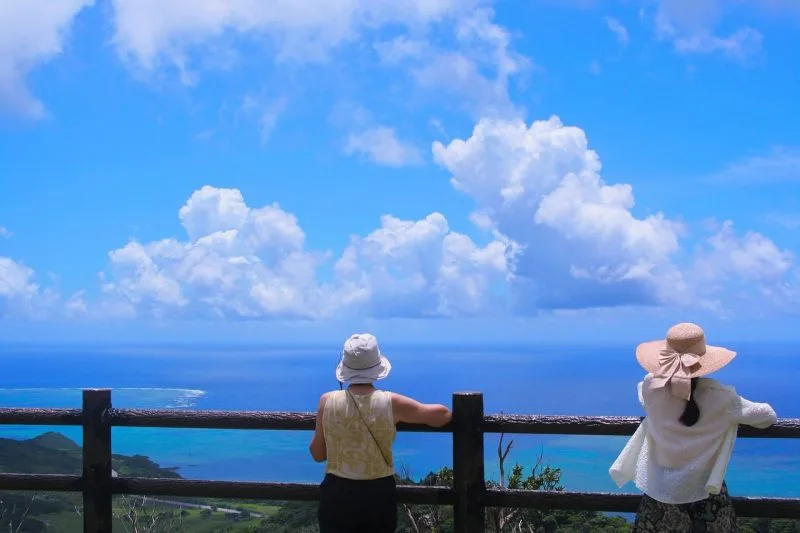
Have you ever imagined spending time in this place? It is quite different from Yomi and has more freedom to come and go.
If you have any questions, suggestions, notices, or anything of the sort, just leave them in the comments. Thank you for reading the article up to here.


Community
Comments
0 comments
There are no published comments in this language yet.
Send comment