
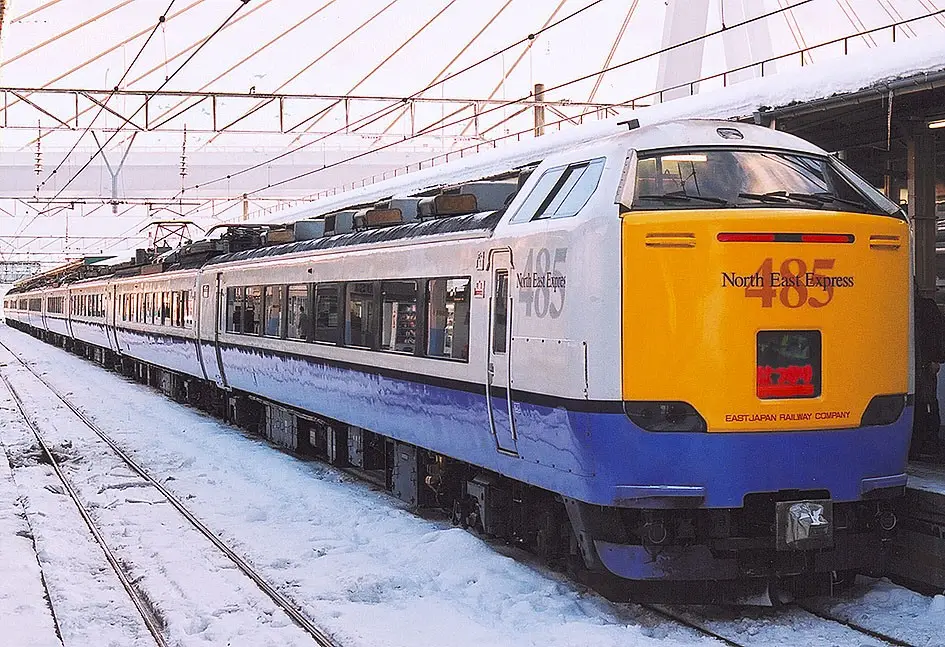
Before the famous bullet trains, the so-called limited express trains (特急列車 - Tokkyū Ressha) were the true kings of the rails in Japan. They linked major cities with fewer stops than regular express services and offered a noticeably better travel experience, with more space, more comfort and a touch of ceremony that went well beyond simple transportation.
They were a piece of the journey itself. Spacious carriages, panoramic windows, onboard service and striking names made these trains part of how Japan traveled. Many Japanese people still associate them with long trips across the country, family visits, business rides and the slow romance of watching the landscape unfold from a comfortable seat.
Contents 10
What are Tokkyū Ressha?
The term Tokkyū (特急) refers to a specific class in the Japanese railway system. Literally, it means "express train with a limited route," and it describes services that do not stop at every station, only at the larger ones on selected main lines.
In the Japanese fare and train class hierarchy, Tokkyū sits above the ordinary Futsu (普通) trains and the Kyūkō (急行) rapid services. Riding a Tokkyū usually means paying a surcharge and, unlike Futsu or Kyūkō, almost always booking a reserved seat in advance. That separation is what turned the limited express into a clear, distinct layer of long-distance travel in Japan.
The meaning of the word "Tokkyū"
The word is made of Toku (特, "special") and Kyū (急, "fast, express"). The label appeared well before the Shinkansen era, and it has always signalled a train that is faster, more comfortable and more exclusive than the regular service on the same line.
Limited express characteristics
What made a Tokkyū a Tokkyū was a combination of route, comfort and access rules. A few traits defined the class:
- Limited route. Tokkyū services ran on selected main lines, skipping smaller stations to keep travel times short between major cities.
- Higher speed than Futsu and Kyūkō. Because they stopped less, they were consistently faster than both the ordinary trains and the older rapid services sharing the same corridor.
- Reservation required. Seats were usually assigned, which kept carriages orderly and turned boarding into a calmer, more predictable experience than the rush of a normal commuter train.
- Extra comfort. Wider seats, more legroom, panoramic windows and, on the long-distance runs, sleeper berths, dining service and dedicated attendants.
Put together, those traits created a travel product that felt closer to a small hotel on rails than to a standard commuter service, and that is exactly why Tokkyū trains became cultural icons rather than just transportation.
Famous Tokkyū series in Japanese railway history
Several limited express services marked an era and still live on in the memory of railway enthusiasts and Japanese pop culture. Below are some of the most emblematic names.
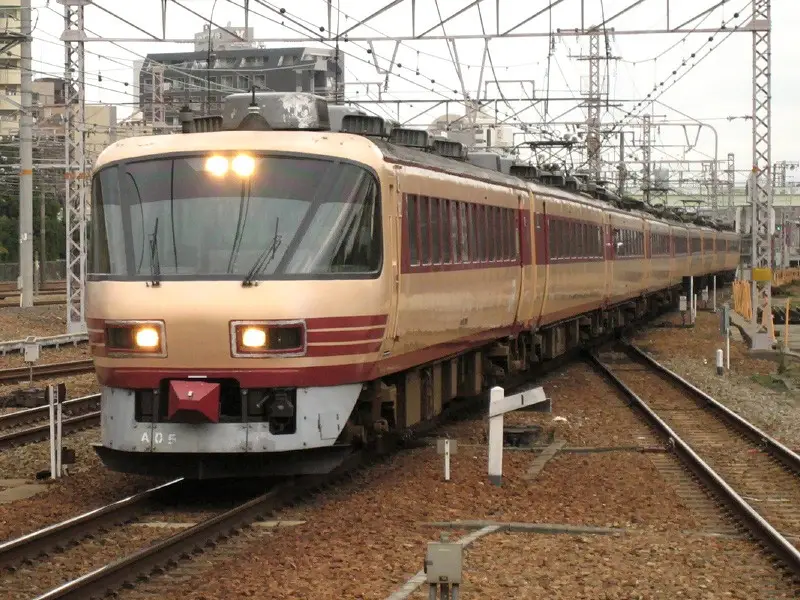
Raichō (雷鳥) - The thunder of the mountains
The Raichō, whose name means "snow grouse" in Japanese, was a limited express that connected Osaka to Kanazawa via the Hokuriku line. It began operations in 1964 and, for many years, was the main rail link between the Kansai region and the Hokuriku coast.
Its route passed through mountainous landscapes that were especially dramatic in winter, and the trains carried a distinctive livery: a white body with red stripes. The service was withdrawn in 2011 and replaced by the Thunderbird, but the Raichō is still remembered as one of the defining images of late Showa-era rail travel.
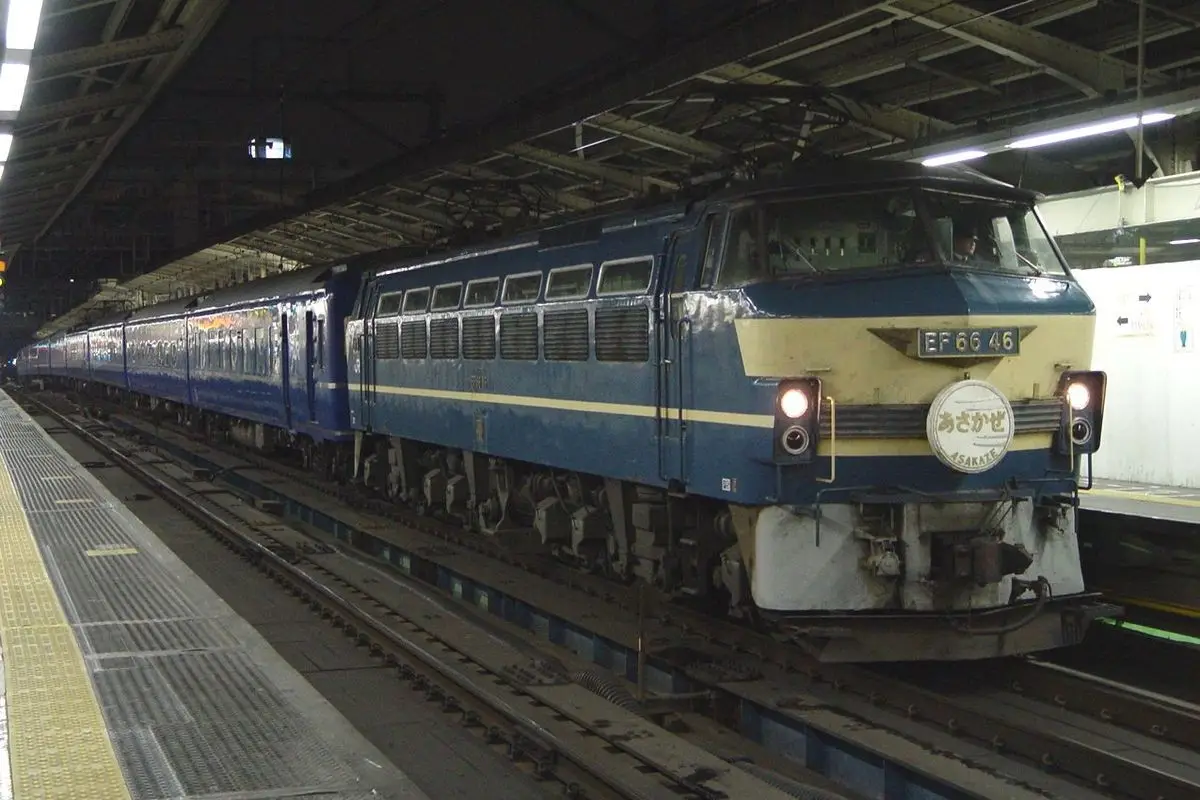
Asakaze (あさかぜ) - The morning breeze
One of the most legendary overnight trains in Japan, the Asakaze covered the long route between Tokyo and Hakata. Its name, "morning breeze," captured the idea of night travel well: it departed in the evening and arrived at dawn.
It was famous for its Blue Train sleeper cars, with onboard attendants, private berths and full meals served in the dining car. It was common to see families, office workers and students boarding to cross half the country while they slept.
The Asakaze was withdrawn in 2005, but it is still fondly remembered by rail fans and keeps showing up in period Japanese dramas set in the 1970s and 1980s.
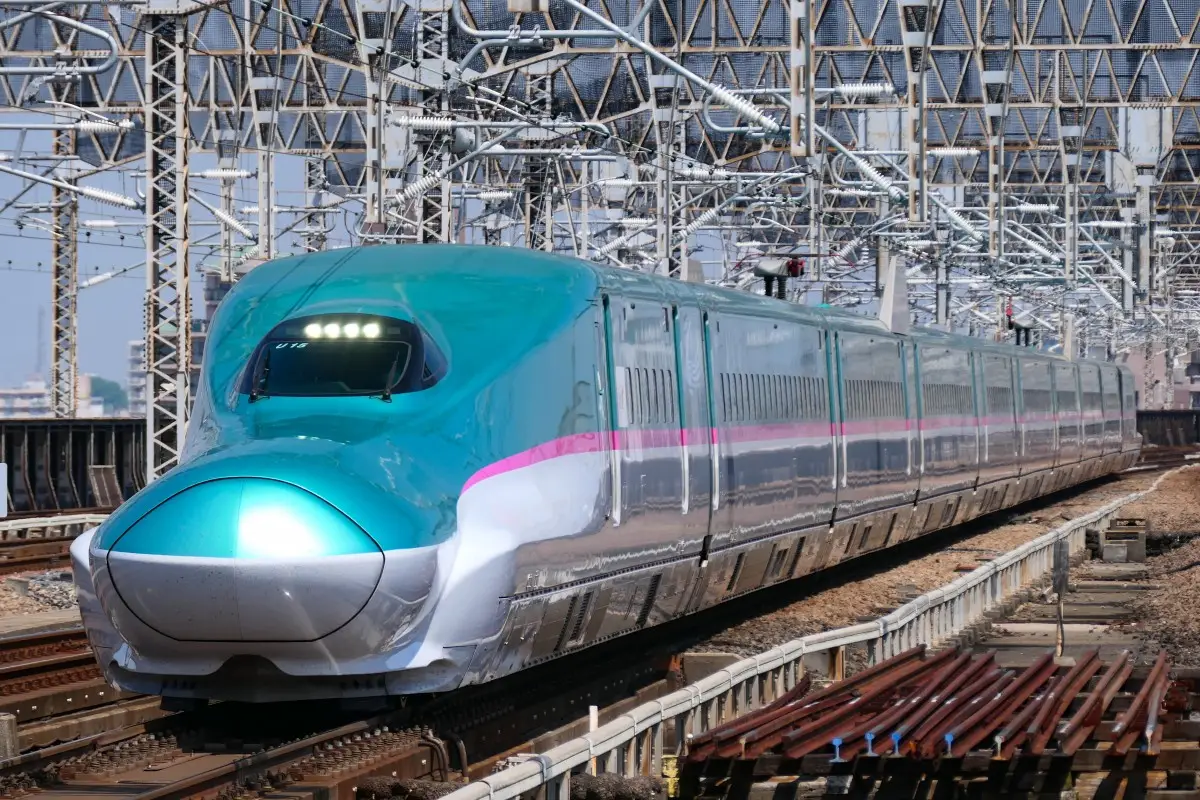
Yamabiko (やまびこ) - The echo in the mountains
Before the name belonged to a Shinkansen service, the Yamabiko was a limited express running between Tokyo and Sendai, later extended all the way to Morioka. In the years before high-speed rail reached northern Honshū, it was the essential link between the capital and the Tōhoku region.
The landscape it crossed, especially the mountain sections of Tōhoku, gave the Yamabiko a poetic as well as a practical reputation. When the Tōhoku Shinkansen opened, the name was carried over to the new high-speed service, but the older limited express still fascinates enthusiasts who rode it as children.
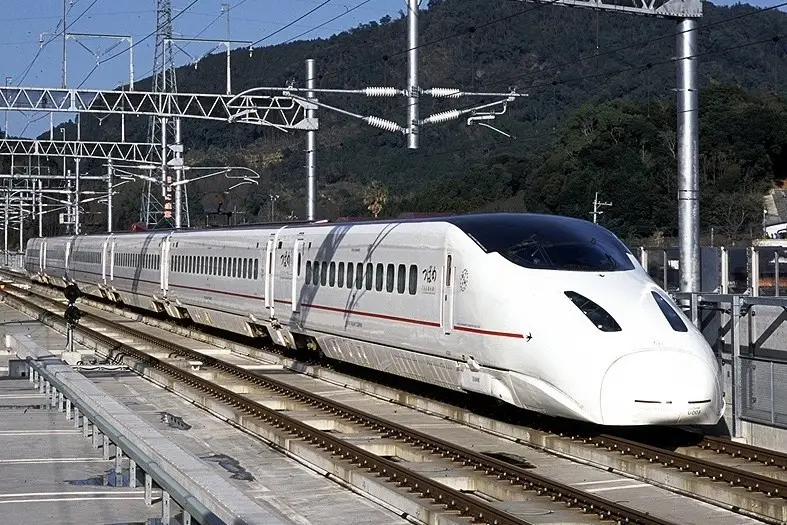
Tsubame (つばめ) - The swallow that flew south
The legendary Tsubame, whose name means "swallow," first entered service in the 1930s and went through several reinventions. In the 1950s and 1960s, it became a symbol of luxury on the Tokyo to Kagoshima route, crossing the entire island of Kyushu.
With its refined design and first-class service, it was the preferred train for travellers seeking comfort and speed in southern Japan. Decades later, the name was revived for the Kyushu Shinkansen, a deliberate tribute to one of the most important limited express services in Japanese railway history.
Tokkyū today: successors with the Shinkansen
From the 1960s onward, the Shinkansen gradually took over the main intercity corridors that the limited express trains had dominated. The bullet train's efficiency, punctuality and sheer speed reshaped the railway map of the country.
Even so, several limited express services survived into the 2000s, especially on routes that still had no Shinkansen line. Many of them were later adapted for tourism, repainted in retro liveries and turned into scenic or seasonal trains, which is how a number of classic Tokkyū names survived in a new form.
Are there still limited express trains today?
Yes, but in a different shape. A few services still carry the limited express designation, although they look and feel quite different from the classics:
- Romancecar (Odakyu) - famous for its panoramic front window and resort-style seating to Hakone and beyond.
- Thunderbird (JR West) - the modern Osaka to Kanazawa successor to the Raichō.
- Azusa (JR East) - connecting Shinjuku in Tokyo with Matsumoto in the Japanese Alps.
They are fast and comfortable, but their look is more standardised than the glamorous liveries of the 1970s and 1980s. The romance of the old Tokkyū is largely gone, yet the basic idea, fewer stops, reserved seats and a clearly more comfortable ride, is exactly what you still get when you board a limited express in Japan today.

Community
Comments
0 comments
There are no published comments in this language yet.
Send comment