
Japan has hundreds of lakes, but few really stand out for size, depth, or influence on people's lives. For those interested in tourism, natural resources, history, or regional development, it helps to know which ones they are.
In this article, you will find 20 lakes that rank among the largest and best-known lakes in Japan, with official data on area, depth, and name in kanji, along with practical and historical information for those interested in geography, travel, economy, or Japanese nature.
Contents 22
How many lakes are there in Japan?
The number depends on how lakes are counted. In its national lake survey, the Ministry of the Environment examined 480 larger natural lakes of one hectare or more, and the many small mountain and crater lakes come on top of that. About 20 lakes are known nationwide for their area, depth, historical or ecological importance. This abundance results from the country's volcanic geography, humid climate, and the many natural depressions that have held water for millennia.
Among these, lakes like Biwa, Kasumigaura, and Saroma are landmarks of Japan. Many are essential sources of drinking water, irrigation, fishing, tourism, and flood protection. Others, like the lakes of Mount Fuji, are known worldwide for their landscapes and their connection to Japanese culture.
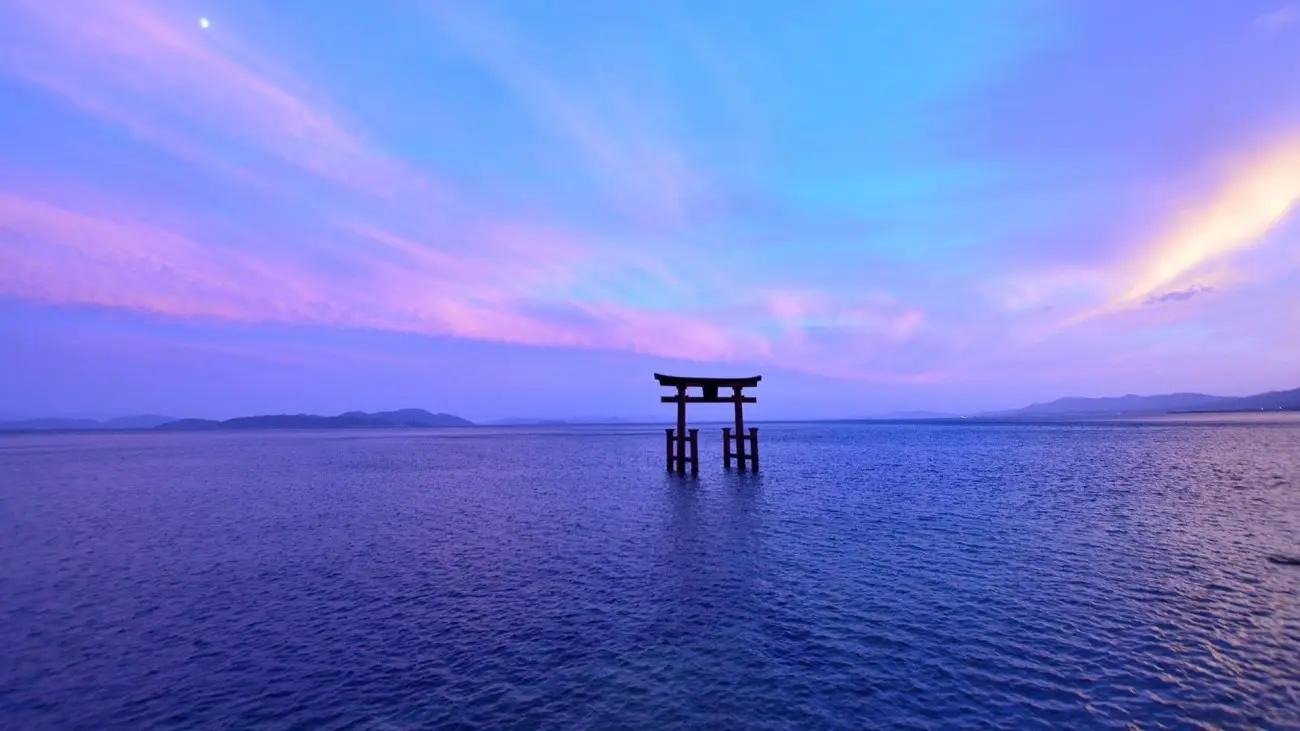
1. Lake Biwa (琵琶湖)
Lake Biwa (琵琶湖) is the largest and oldest lake in Japan, with an area of 670.3 km² and a maximum depth of 104 meters. Its age is estimated at around four million years. It lies within Shiga Prefecture and supplies about 15 million people, including the Kyoto and Osaka regions. Of its 46 native fish species, 16 are endemic, and the lake hosts over 1,000 species and subspecies, around 60 of which occur nowhere else.
The surrounding area is densely populated and offers hotels, trails, cycling paths, and museums. Biwa has been a Ramsar site since 1993 and is a recurring theme in Japanese poetry and art. Archaeologists have found traces of human settlement along its shores dating back as far as 10,000 years.
2. Lake Kasumigaura (霞ヶ浦)
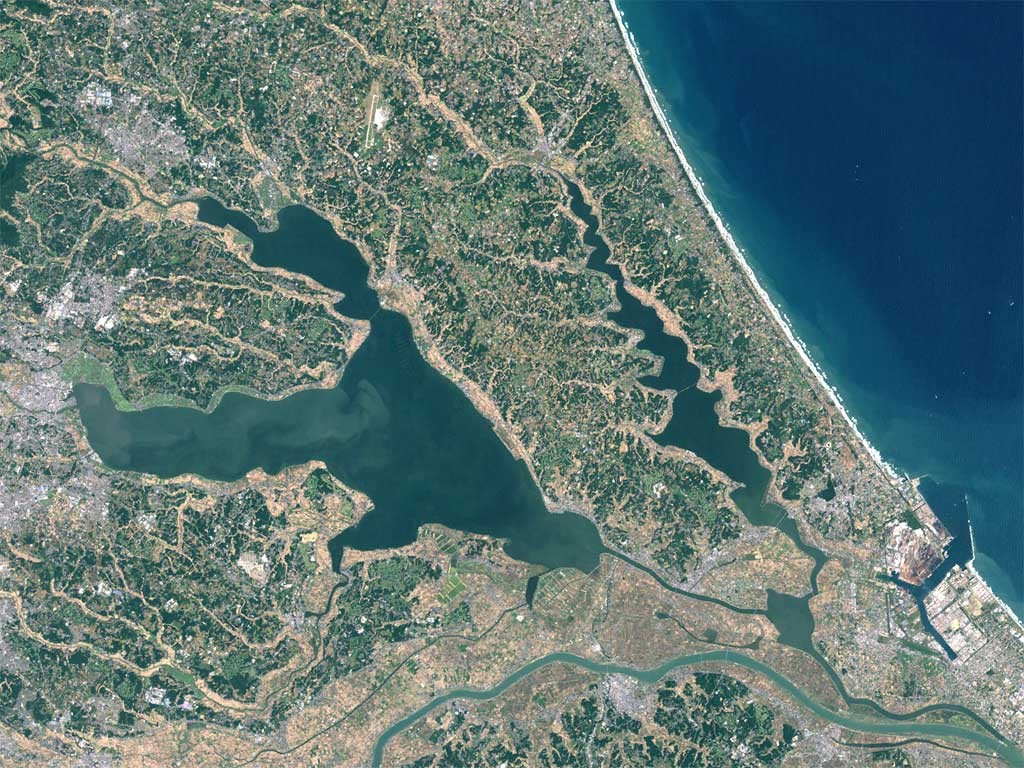
Kasumigaura (霞ヶ浦), in Ibaraki Prefecture, is the second largest lake in Japan, with 167.6 km² and only seven meters of maximum depth. It is vital for rice irrigation, for shijimi and shrimp fishing, and for the water supply of nearby cities.
Eutrophication from agricultural activity around it has been a concern for decades, and environmental recovery programs have been running since the 1980s. One of the most extensive cycling routes in Japan circles the lake and is popular with athletes.
3. Lake Saroma (サロマ湖)
Saroma-ko (サロマ湖) lies in Hokkaido, with 151.9 km² and a maximum depth of 19.6 meters. This brackish coastal lagoon connects to the Sea of Okhotsk and is known for oyster and scallop farming.
During winter, part of the lake freezes and is used for ice fishing. The region is less touristy, but it attracts visitors looking for untouched nature, small fishing villages, and everyday life in Hokkaido.
4. Lake Inawashiro (猪苗代湖)
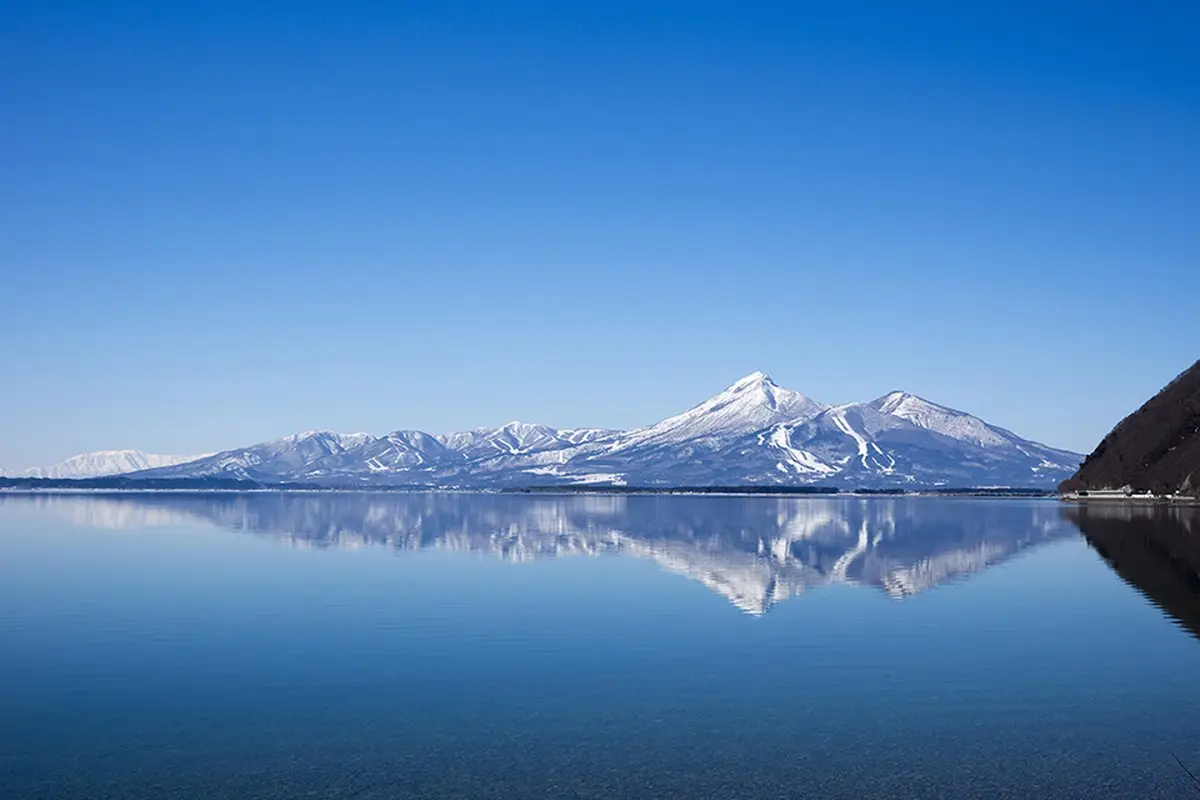
Inawashiro-ko (猪苗代湖), in Fukushima Prefecture, covers 103.3 km² and reaches a depth of 94.6 meters. Its clear blue water earned it the name "mirror of the sky".
Besides supplying water, the lake attracts visitors for water sports and hiking. Thousands of migratory swans rest here during winter, and the shoreline becomes a birdwatching spot.
5. Lake Nakaumi (中海)
Nakaumi (中海) lies between Shimane and Tottori prefectures, with 86.2 km² and a maximum depth of 17.1 meters. Its brackish water comes from its connection to the Sea of Japan and supports eels and shellfish, while the lake attracts large numbers of waterfowl.
Bridges cross the lake and connect cities such as Matsue and Sakaiminato. Its two main islands are Daikonshima, known for its peony gardens and ginseng cultivation, and Eshima, linked to Sakaiminato by the steep Eshima Ohashi bridge.
6. Lake Kussharo (屈斜路湖)
Kussharo-ko (屈斜路湖), in Hokkaido, covers 79.3 km² and reaches a depth of 117.5 meters. This caldera lake lies among mountains, and natural hot springs rise right at the water's edge, as on the sands of Sunayu.
In winter, hundreds of swans seek refuge on the warm shores. Kussharo is the largest lake in Japan that freezes over completely, and it suits travelers looking for outdoor hot springs and nature away from the main tourist routes.
7. Lake Shinji (宍道湖)
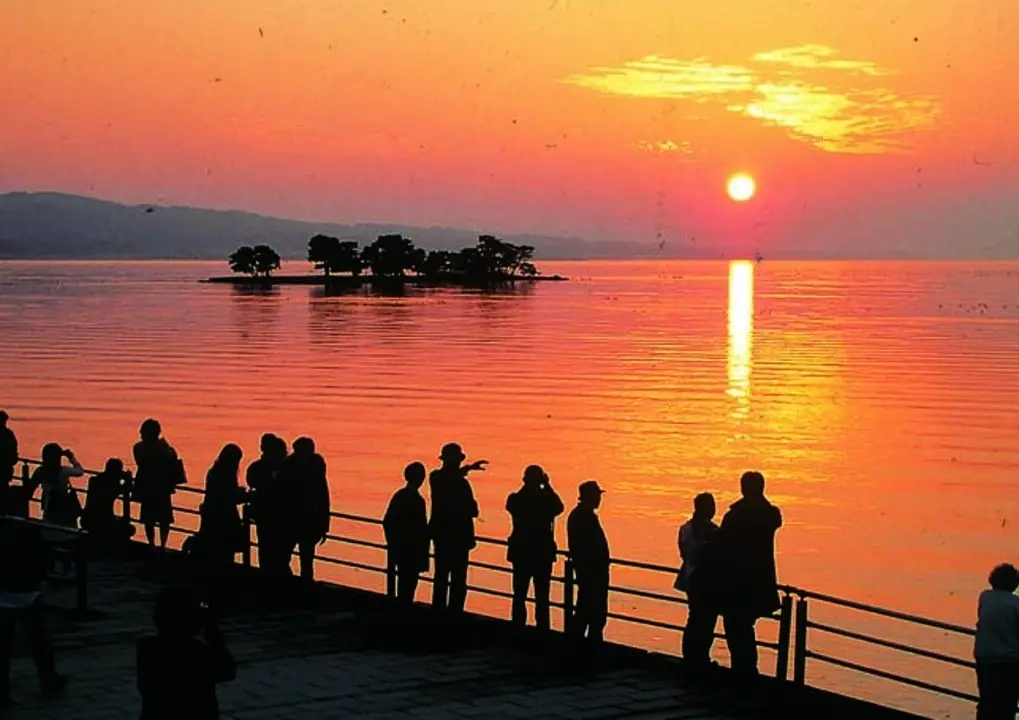
Shinji-ko (宍道湖), in Shimane Prefecture, covers 79.1 km² and is only about six meters deep. Its slightly brackish water supports fishing for shrimp, eels, and shijimi clams, which form the basis of the local cuisine, and the shijimi catch is among the largest in Japan.
The lake is famous for its sunsets, best seen over the small island of Yomegashima, and for seasonal festivals that celebrate life along its shores. Parks and recreation areas line the waterfront and are used by residents and visitors alike.
8. Lake Shikotsu (支笏湖)
Shikotsu-ko (支笏湖), in Hokkaido, is a caldera lake with crystal clear water, covering 78.4 km² and an impressive depth of 363 meters, second only to Lake Tazawa in Japan. Its transparency can exceed 20 meters.
The lake is part of Shikotsu-Tōya National Park, hosts the Lake Shikotsu Ice Festival each winter, and is popular for diving, kayaking, and hiking. Despite the harsh winter, it rarely freezes completely because of its depth.
9. Lake Tōya (洞爺湖)
Tōya-ko (洞爺湖), in Hokkaido, covers 70.7 km² and reaches a depth of 179.9 meters. Formed in a volcanic caldera, it has a central island, Nakajima, and is surrounded by geothermal areas and hot spring resorts.
It is a destination for hiking and boat tours, known for its long-running fireworks, which light up the sky almost every night from late April to October. Tōya hosted the G8 summit in 2008.
10. Lake Hamana (浜名湖)
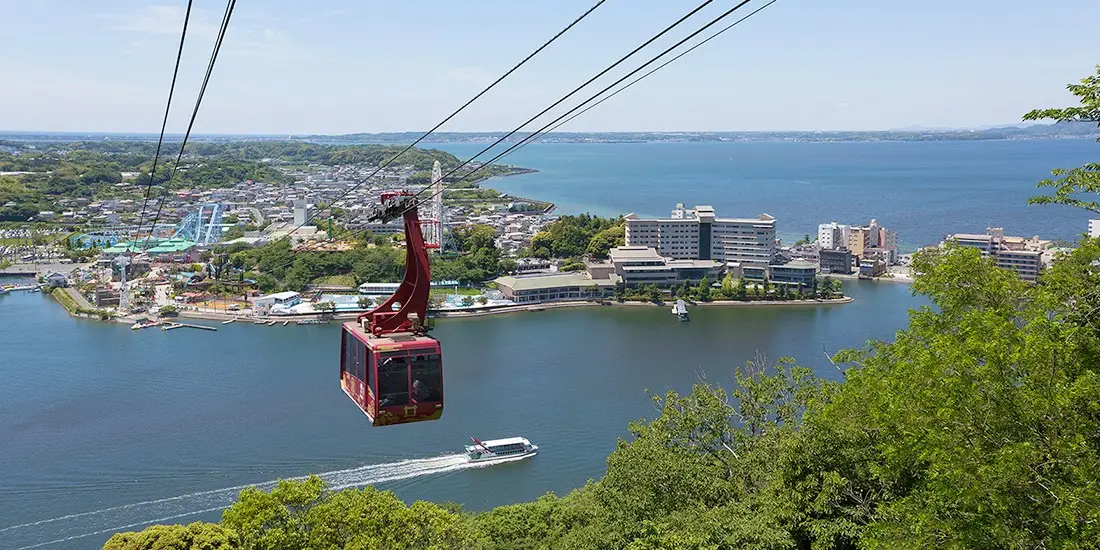
Hamana-ko (浜名湖), in Shizuoka Prefecture, covers 65 km² and has a maximum depth of 16.6 meters. Its water became brackish in 1498, when an earthquake opened a connection to the Pacific.
The lake is a center of eel farming and shellfish fishing, which form the basis of the local economy. Its shores are popular for water sports, fishing, and beaches.
11. Lake Ogawara (小川原湖)
Ogawara-ko (小川原湖), in Aomori Prefecture, covers 63.2 km² and is up to 25 meters deep. Its waters are used for irrigation, supply, and fishing for Japanese smelt, icefish, goby, and shijimi clams.
Nature trails follow the shore, and the lake is a resting place for waterfowl in winter; the Ministry of the Environment includes it among the 500 Important Wetlands in Japan. During World War II, aviators from nearby Misawa Airfield trained over the lake because its depth is similar to that of Pearl Harbor, the target of the 1941 attack.
12. Lake Towada (十和田湖)
Towada-ko (十和田湖) lies between Aomori and Akita prefectures, with 61.1 km² and a depth of 327 meters. As the largest crater lake on Honshu, it is surrounded by steep slopes and forests that change color with the seasons.
Boat tours depart from the village of Yasumiya, and the autumn colors attract visitors from all over Japan. The lake is also the setting of the Three Lakes Legend, in which the monk Nanso-bō defeats the dragon Hachirōtarō and becomes the guardian dragon of Towada.
13. Lake Notoro (能取湖)
Notoro-ko (能取湖), in Hokkaido, covers 58 km² and reaches a depth of 23 meters. In September, dense stands of glasswort, known in Japan as sango-sō, turn entire stretches of the shore red; the colony at Ubaranai is considered the largest in Japan.
Fishing here focuses on scallops, salmon, and shrimp, and the lake is a resting place for migratory birds. Small fishing communities live from the catch and from shellfish gathering.
14. Lake Tazawa (田沢湖)
Tazawa-ko (田沢湖), in Akita Prefecture, is the deepest lake in Japan, with 423.4 meters, despite its relatively small area of 25.9 km². Its water is unusually clear and also acidic: the native kunimasu salmon disappeared in the 1940s and was rediscovered only in 2010, in Lake Sai, one of the Fuji Five Lakes.
On the shores, there are trails, diving spots, and the bronze statue of Tatsuko, a young woman who, in local legend, wished for eternal youth and beauty and became the goddess of the lake.
15. Lake Suwa (諏訪湖)
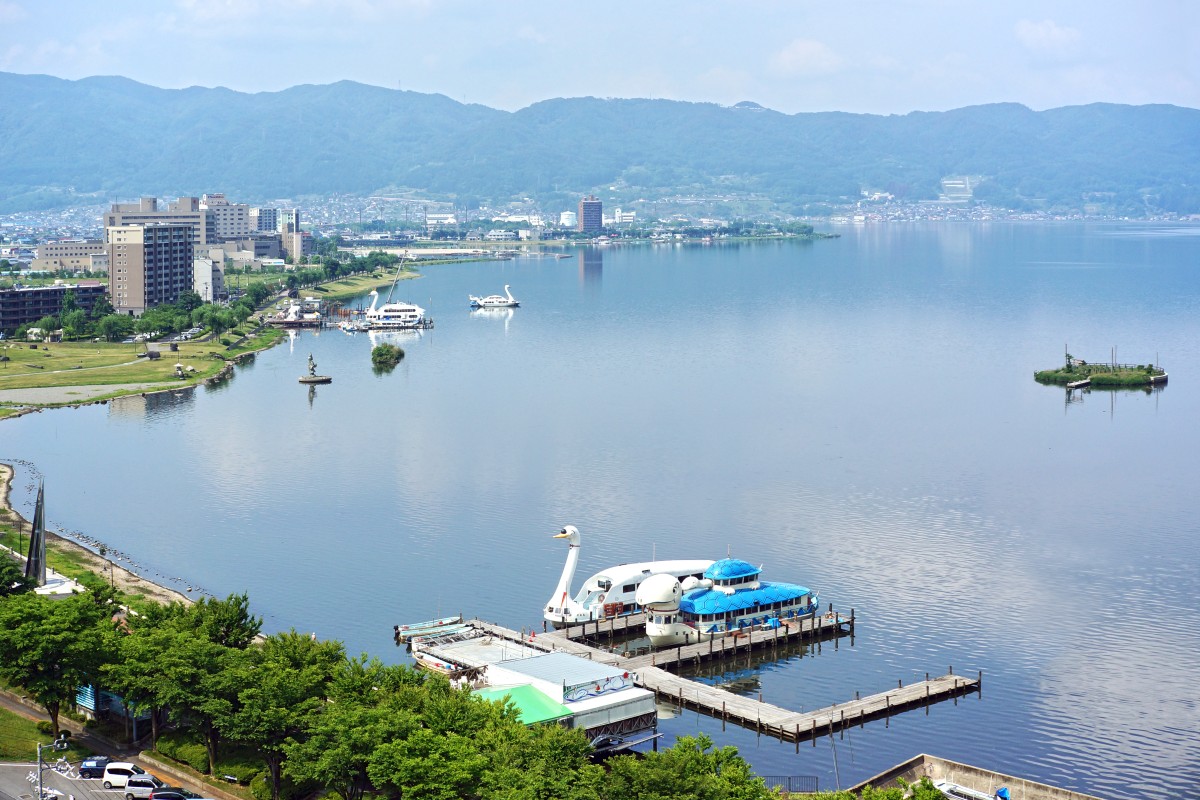
Suwa-ko (諏訪湖), in Nagano Prefecture, covers 13.3 km² and reaches a maximum depth of 7.2 meters. It is famous for the omiwatari, the ice ridges that rise across the frozen surface in winter and are seen in local tradition as the path of the god Takeminakata, crossing to visit his wife, the goddess Yasakatome.
In summer, it is a stage for water sports and festivals. In winter, ice skating and smelt fishing boost local tourism, and the city of Suwa is also known for its hot springs.
The Five Lakes of Mount Fuji (富士五湖)
The Five Lakes of Mount Fuji (富士五湖) lie in Yamanashi Prefecture: Yamanakako (山中湖), Kawaguchiko (河口湖), Saiko (西湖), Shojiko (精進湖), and Motosuko (本栖湖). They formed when lava flows from Mount Fuji dammed rivers and divided an older, larger lake. The five lakes offer some of Japan's most classic and most photographed views, especially in the months when the summit is covered in snow.
The region is one of the most visited tourist hubs in Japan. Beyond its landscapes, it offers camping, hiking, water sports, resorts, and onsen, along with cycling routes and cherry blossom viewing in early spring. Each lake has its own profile and audience, but the infrastructure around them makes all five easy to visit. Those planning a trip will find a detailed overview in the Fujigoko guide.
16. Lake Yamanaka (山中湖)
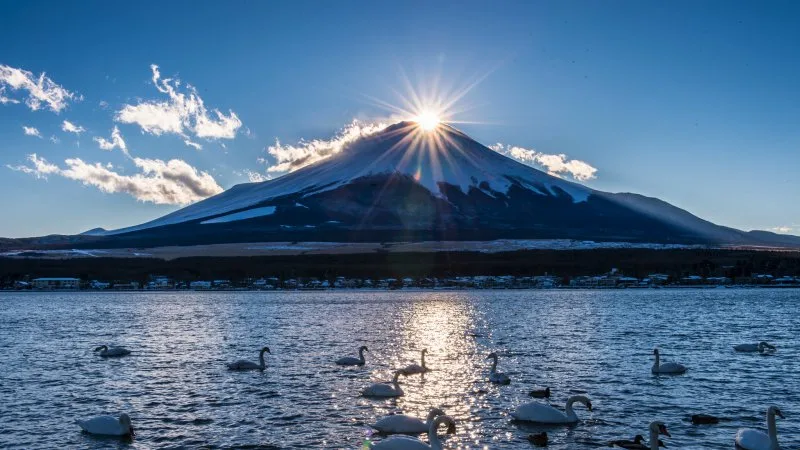
Yamanaka-ko (山中湖), in Yamanashi Prefecture, is the largest of the Five Lakes of Mount Fuji, with 6.6 km². Its shallow water and open shores favor fishing, windsurfing, canoeing, and cycling.
The view of Mount Fuji is the main attraction. In summer, fireworks festivals take place on the lake, and in winter, when the surface freezes, visitors come for smelt fishing and waterfowl watching.
17. Lake Kawaguchi (河口湖)
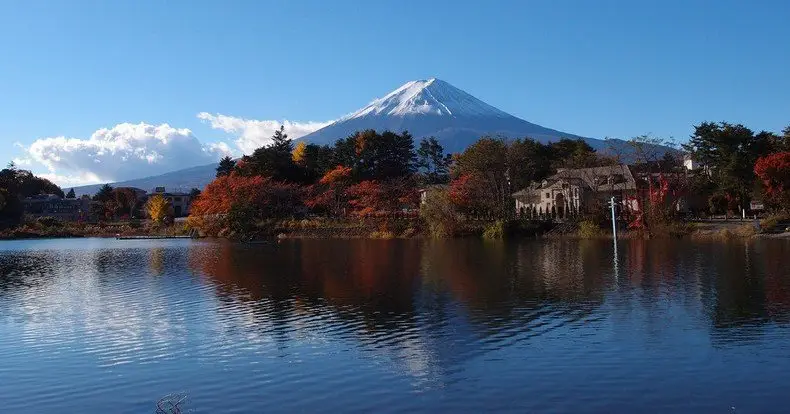
Kawaguchi-ko (河口湖), in Yamanashi Prefecture, covers 5.7 km² and has a maximum depth of 14.6 meters. It is known for its clear view of Mount Fuji and for its tourist infrastructure, with hotels, cafés, and museums around the lake.
Boat tours are common, and the region is a starting point for trails leading up Mount Fuji. In autumn, the red leaves make the scenery even more sought after.
18. Lake Motosu (本栖湖)
Motosu-ko (本栖湖), also in Yamanashi, covers 4.7 km² and reaches a maximum depth of 121.6 meters. Its clear water and the reflection of Mount Fuji appeared on the 1,000 yen Series E note, in circulation until 2024.
Among the five, it is the deepest, ideal for diving, camping, and water sports; its shores are among the most preserved in the region.
19. Lake Sai (西湖)
Sai-ko (西湖), in Yamanashi Prefecture, covers 2.1 km², with a maximum depth of 71.1 meters. It is the quietest of the Fuji lakes and receives the fewest visitors.
Sport fishing and camping are common. The forests around the lake offer hiking trails, especially in autumn. In 2010, kunimasu, a species long believed extinct, was rediscovered in these waters.
20. Lake Shoji (精進湖)
Shoji-ko (精進湖), also in Yamanashi, is the smallest of the Five Lakes of Mount Fuji, with an area of 0.5 km² and a maximum depth of 15.2 meters. Despite its small size, it is one of the best places to photograph Mount Fuji reflected in the water.
Small family inns and picnic areas surround the lake, offering a calmer alternative to the busier shores of Kawaguchi and Yamanaka.



Community
Comments
0 comments
There are no published comments in this language yet.
Send comment