
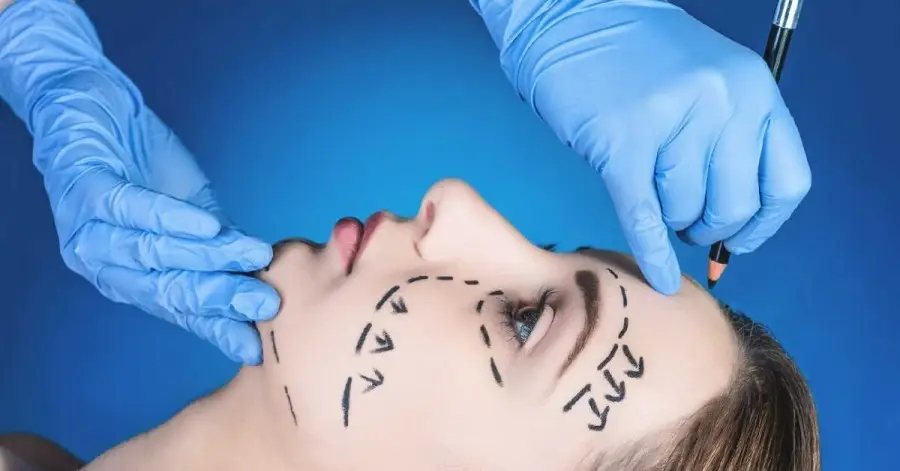
Plastic surgery is a market that has been growing worldwide, but especially in South Korea, the encouragement for this starts early. The country was the champion of plastic surgeries for a long time. In 2014, for example, an average of 980,000 plastic operations were performed. This corresponds to 2 out of every 100 people living in the South Korean country.
And yes, it is true that parents have the custom of gifting their children with plastic surgery, usually before they enter college. This surgery is in the eye area to make the eyes less characteristic, but in a very subtle way.
Let's understand better how the popularity of plastic surgeries began, what the tradition is, and how plastic surgeries are viewed there. Are the surgeries cheaper? How does access to aesthetic surgery work in the country?
Contents 5
South Korean Beauty Standard
The beauty standard varies greatly from one culture to another, but one thing that doesn't change is the pursuit of perfection. For this, people resort to plastic surgery, cosmetics, diets, and other means to seek the ideal appearance.
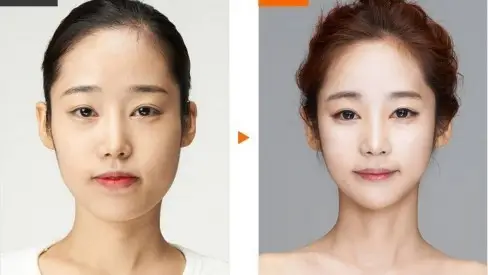
In Korea, the pressure for physical perfection is high, especially among K-pop idols, which unfortunately contributes to the high suicide rates in South Korea. The South Korean beauty standard is influenced by the Aryan Western standard, which includes big eyes, fair skin, and a small upturned nose.
The standard also requires larger eyes, so the use of contact lenses is common. Additionally, the face shape is expected to be V-shaped. Aesthetic procedures are frequently performed by ordinary citizens, such as double eyelid surgery and jawline shaving.
For South Koreans, the head should have a small shape and a delicate face, straight eyebrows, and fair skin (white skin signifies nobility, while tanned skin is associated with manual labor), all to achieve a more youthful appearance. Because they are considered to have beautiful skin, cosmetics are coveted worldwide.
They also have concerns about body aesthetics. The standard in this case is slim and slender. The standard for men is above 1.75 m with a defined abdomen. For women, they are expected to be shorter with thighs that do not touch each other. It is uncommon to see overweight people there, but they still exist. However, these individuals face prejudice because being overweight is labeled as laziness.
These small things may seem unimportant, but even getting a job becomes difficult if one does not meet the required standards. In the capital of South Korea, Seoul, it is very common to see huge advertisements encouraging plastic surgery.
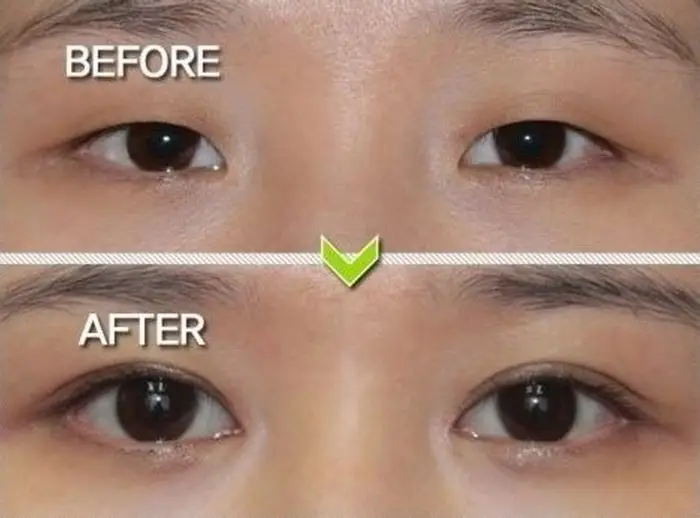
Double Eyelid Surgery
It is common for South Koreans to have droopy eyelids, giving them a sad appearance. The main goal of the surgery is to make the eyes look "less Asian." Therefore, it is common for them to undergo plastic surgery while still young. The procedure costs an average of $1,500 or R$ 4,000.
The surgery itself is simple, there is no need for hospitalization, and it can last from 40 minutes to 1 hour. In 15 days, the result is already visible, but the final result appears only after 3 months. The surgery should be performed by a plastic surgeon or an ophthalmologist who is a surgical eye specialist; otherwise, if care is not taken with vision health, the person may even lose their sight.
Anesthesia can be either local or general. Until the 15 days of postoperative care are completed, the person must take all precautions to avoid harming their vision or staining the skin around the eyes.
From Dream to Nightmare
In South Korea, both men and women are bombarded daily with advertisements on walls, buses, and billboards to improve their appearance in a simple and easy way. Many are convinced of this from an early age.
Thus, this market becomes much more profitable than one might imagine. People from all over come to Korea to access aesthetic procedures with more possibilities of doctors and prices.
The problem lies in the bad faith of many professionals when practicing medicine. Due to the high amounts of money involved, unfortunately, there are many cases of people who are not even qualified professionals performing procedures that deform individuals. Or, there are doctors from other specialties who are venturing into plastic surgery.
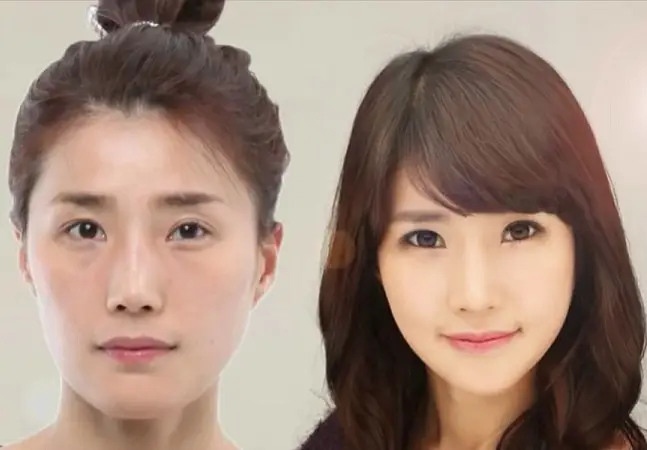
These "doctors" use photo editing resources to create before-and-after images of faces in order to attract potential patients. This has brought serious consequences for many people who dreamed of fitting into the standard and ended up with disfigured faces. Another problem faced is that of "ghost doctors," where someone performs surgery in place of another surgeon who was hired. The patient does not even know when this happens because the "doctor" takes action when they are sedated.
The profit from plastic surgery in South Korea is greater compared to the USA and Europe, perhaps due to the fact that surgeries are a bit cheaper than in other places and because most procedures are performed. Because of these problems, the Korean Association of Plastic Surgeons is calling for stricter rules for doctors in the field and also regarding the advertising of aesthetic surgery.
The Korean Medical Association even tried to implement a project to install cameras in all operating rooms, but most doctors disagreed, claiming that this could distract professionals and deter patients.
The Kwon Dae-hee Case
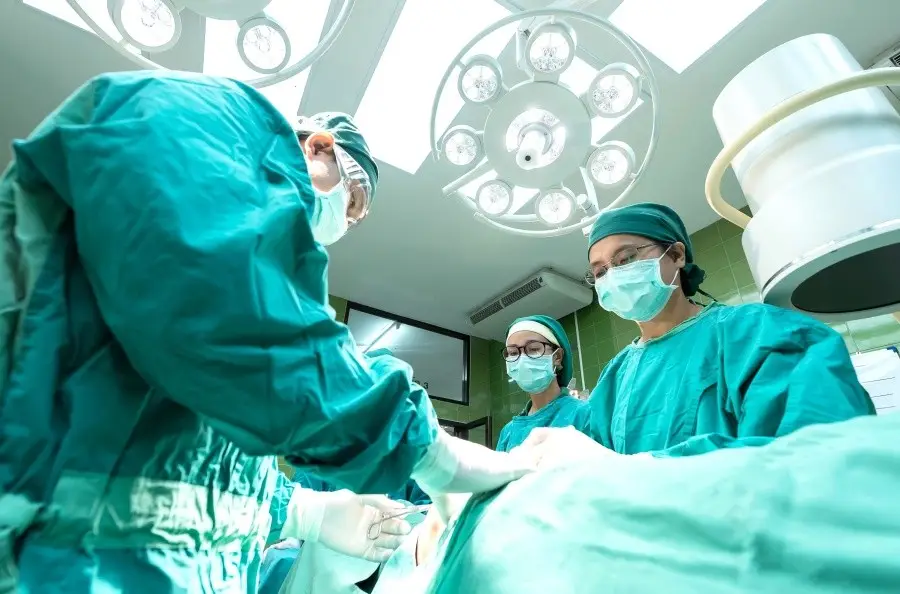
CNN Brazil did a special report to talk about the case of Kwon Dae-hee, a young man only 24 years old who succumbed to plastic surgery. The procedure was to make his jaw thinner, but he bled a lot during the procedure. He died seven weeks later due to complications. He was a victim of ghost doctors.
Kwon was insecure about his appearance. The change he wanted to make was the common imposed standard among K-pop idols. His family did not support him in getting the surgery, yet he wanted to change to feel better. The case occurred on September 8, 2016, at a plastic surgery clinic in Seoul.
Kwon spent 6.5 million won on the unsuccessful operation. The case was discovered by reviewing the security camera footage from the room. Although many disagree, some places already have this resource. The cameras show different doctors switching places and even about half an hour with no doctor in the room, only assistants and nurses. Kwon's family wanted to sue those responsible. However, the laws surrounding ghost doctors were not concrete.

Facial Change
Many travel long distances to undergo plastic surgery in South Korea, and some procedures are so drastic that when trying to return to their home country, people are prevented from boarding because their faces do not match their personal document photos.
Because of this, the "plastic surgery certificate" was created, issued by Korean hospitals at the request of foreigners undergoing the procedure.
What do you think about this culture surrounding aesthetics? Would you undergo any of these procedures?






Community
Comments
0 comments
There are no published comments in this language yet.
Send comment