
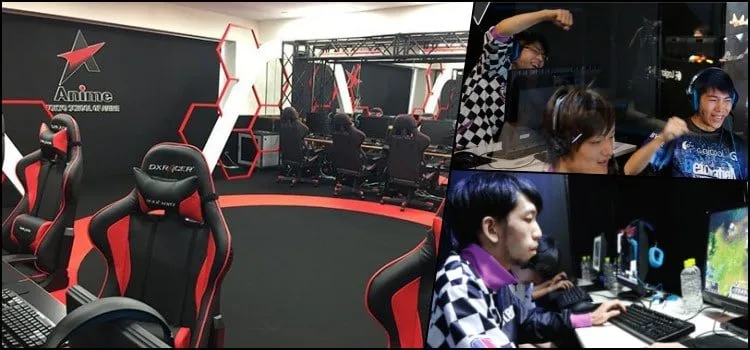
Have you ever been curious about what gamers in Japan are like? The cartoon is ready-made: the whole country has “gamer blood,” anyone with a handheld is an otaku, and the pachinko parlor down the street is the same hobby as Mario. Real days look quieter than that — and stranger.
On a packed morning train you see phones, not glowing towers. At home, a console still feels like living-room furniture. Stack that next to Brazil, where we earn less and pay more for the same box, and the hobby is familiar on the title screen and foreign at the register.
Contents 5
What are gamers like in Japan?
Most of the country plays something, even if the session is a puzzle on the commute. Japan’s Computer Entertainment Supplier’s Association (CESA) counted about 55.5 million players aged 5 to 59 in its 2024 industry report — the highest figure in five years at the time, and a long way from a niche. That is a huge casual-to-dedicated mix, not 65 million people living inside arcades.
Portability is the part a visitor actually notices. Phones and handhelds fit the train, the queue, the last ten minutes before a station. The kawaii look and fantasy stories also travel well across ages: an RPG or a cute simulation does not mark you as a child the way a “serious hobby” still can in parts of Brazilian family talk.
People of every age play. Schools keep clubs for board games and consoles. Japan is also the country that gave the rest of us the machines, the mascots, and a pile of companies that still decide what a game looks like. If it weren’t for Japan, a lot of games would be boring and lifeless — the same way a year stuffed with sequels can feel today.
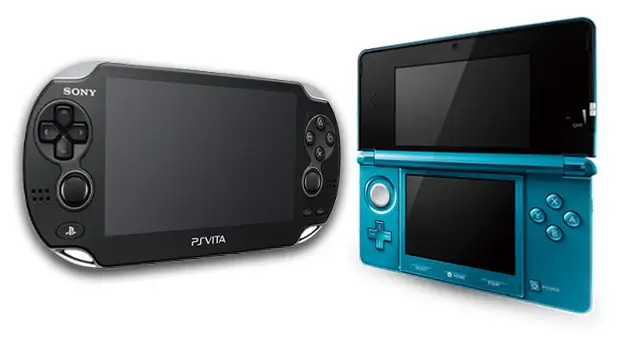
Mobile, console, and PC are three different habits
Calling everyone a “gamer” hides the split. In that CESA report, mobile led with about 43.5 million users, consoles followed with 29.7 million, and PC sat at 14.4 million. Plenty of people overlap — more than 7 million played across mobile, PC, and consoles — but the center of gravity is still the phone and the living room, not a desktop tower.
- Mobile: gap time. Commutes, gacha, free-to-play. It works as daily infrastructure more than a planned session.
- Console: the original Japanese idea of home play. Nintendo, Sony, a couch. For a lot of families, “game” still means a box under the TV.
- PC: smaller, growing, and no longer a punchline. More local titles now ship on Steam instead of staying console-only, and Japanese-language use on the store has climbed into the global top group.
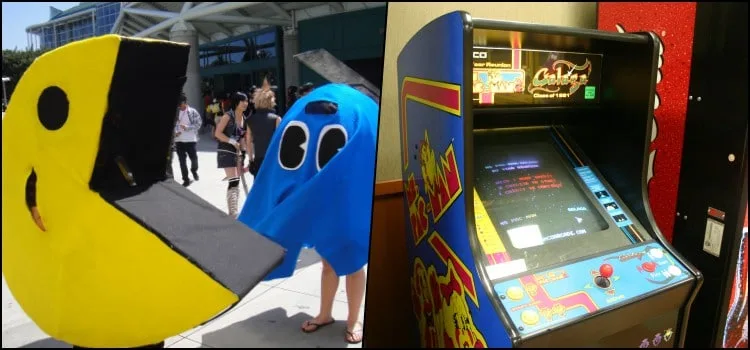
Arcade game centers still matter as a fourth room — rhythm games, crane machines, a social night out — which is one reason a high-end gaming PC took longer to feel necessary. That is culture, not a ranking of which platform is “real.”
Otaku is not Japanese for “gaming addict”
People who play a lot in Japan are not automatically called otaku. An otaku is someone who goes deep on a hobby — anime, manga, games, idols, trains, whatever the shelf is — with a history of the word sounding pejorative and a later generation wearing it on purpose. A commuter clearing a puzzle between stations is not that.
Playing until school or work disappears is a different problem, closer to what Japan discusses as internet or gaming disorder, and sometimes neighbors the social withdrawal of a hikikomori. Mixing the three words is how a hobby label turns into a medical cartoon. The meaning of the word sits on its own page: what otaku actually means.
For people who want the competitive path, Japan even opened classrooms around e-sports. That route is a different article: gamer schools in Japan.
Pachinko sits in another box
It is easy to fold pachinko into a story about “gamer blood.” The mix is messy. Pachinko parlors are a gambling-and-entertainment world of their own: lights, older regulars, a legal gray that is not the same industry CESA is counting when it talks about video game players.
You can walk past a parlor after work and still not be a gamer in the Switch sense. That machine culture has its own page in the pachinko guide — keep it off the same list as handheld RPGs.
Gamers in Japan vs gamers in Brazil
Being a gamer in Brazil is not easy. We earn little and pay a lot for consoles and games. Even so, people build collections and play across an absurd range of titles. Brazil’s player base is huge: industry coverage of Game Brasil figures puts it around 103 million people, with women close to half the audience (about 46%) and smartphones as the main machine (about 52% of play).
The contrast is not “Japan takes games seriously, Brazil does not.” Brazil has more players in raw numbers. Japan has fewer people, hardware brands born at home, and spending that still lands among the world’s largest markets. Famitsu’s 2025 game white paper put 2024 consumer spending in Japan around $16 billion (2.4 trillion yen). You feel that in how normal a new first-party Nintendo release looks on a Japanese shelf, and how much tax and import friction a Brazilian pays for the same plastic.
PC also sits differently. In Brazil it is a workhorse and a way around some console prices. In Japan it was the odd one out for years because consoles and arcades already did the job; it is catching up, not leading. Buying Japanese physical copies from abroad is its own mini-quest — Play-Asia is one of the usual doors when a region lock or a local stock gap shows up.
Japan is not a country of 65 million otaku. It is a country where play leaked into commutes, living rooms, and school clubs, while pachinko and social withdrawal sit in other drawers. Brazil matches the enthusiasm and loses on the receipt. That gap, more than any stereotype, is the comparison that still holds.

Community
Comments
0 comments
There are no published comments in this language yet.
Send comment