

The Japanese language is known for its richness and complexity, and one example of this is the word “light.” In Japanese, there are several ways to refer to light, each with its own meaning and nuances. In this article, we will explore the different ways to say “light” in Japanese and their various applications and meanings.
We also recommend reading:
Table of Contents
Hikari (光)
The most common word for “light” in Japanese is “hikari” (光). This word is used to describe light in general, including sunlight, the light from a lamp, or light emitted by any other source. “Hikari” can be used both literally and figuratively, to represent hope, goodness, or wisdom. For example:
- Taiyou no hikari (太陽の光) – Sunlight
- Kibou no hikari (希望の光) – Light of hope
Also read: Hikari – Light – Investigating the meaning in Japanese
Akari (明かり)
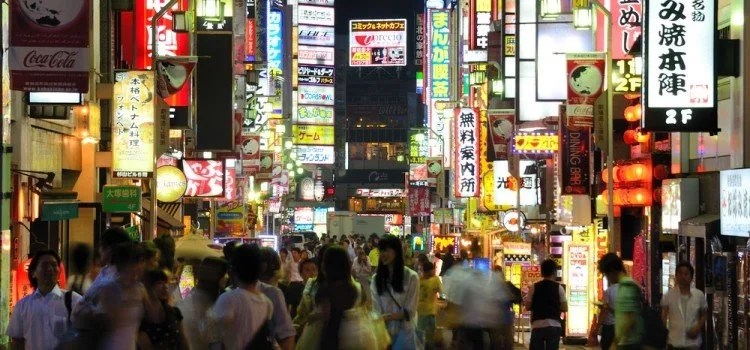
“Akari” (明かり) is another word used to describe light, although its meaning is more specific. “Akari” generally refers to artificial light, such as the light produced by a lamp, candle, or other source of illumination. This word can also be used to describe the atmosphere or environment created by light. For example:
- Kyandoru no akari (キャンドルの明かり) – Light of a candle
- Heiwa na akari (平和な明かり) – Peaceful light

Koumyou (光明)
“Koumyou” (光明) is a more formal and poetic word for “light.” It is generally used in religious or spiritual contexts to represent enlightenment, divine wisdom, or the light that guides people through darkness. For example:
- Bouddha no koumyou (仏の光明) – The light of Buddha
- Koumyou wo motomete (光明を求めて) – In search of light (enlightenment)
Rousoku (ろうそく)
“Rousoku” (ろうそく) is the Japanese word for “candle,” which is a traditional source of light. Although it is not a word for “light” itself, it is closely related to the concept of illumination and can be used to describe the soft and warm light of a candle.

Tōka (灯火)
“Tōka” (灯火) is a word that combines “灯” (tomo), which means “lamp” or “light,” and “火” (hi), which means “fire.” “Tōka” is generally used to refer to a small source of light, such as the light of a lamp or candle, and has a poetic tone. For example:
- Tōka ga yurete iru (灯火が揺れている) – The light (of a lamp or candle) is flickering
- Tōka no michibiki (灯火の導き) – The guide of light (like a light that guides someone through darkness)
Karui (軽い)
“Karui” (軽い) is generally used to describe something light in terms of weight or feeling. Although it is not a word for “light” itself, it can be used to describe something with a lighter appearance or feeling, such as light colors or a cheerful atmosphere. For example:
- Karui iro (軽い色) – Light color
- Karui kibun (軽い気分) – Light mood
Raito (ライト)
“Raito” (ライト) is a borrowed word from English “light.” It is used to refer to various forms of artificial lighting, such as lamps, lanterns, and LED lights. “Raito” can also be used in technology-related contexts, such as in “raitogun” (ライトガン), which means “light gun” (a video game accessory). For example:
- Raito wo tsukeru (ライトをつける) – Turn on the light
- Raito wo keshite (ライトを消して) – Turn off the light

Tomoshibi (灯)
“Tomoshibi” (灯) is a poetic word to describe the light from a source like a lamp or a candle. It can be used to emphasize the soft and cozy atmosphere created by that light source. For example:
- Tomoshibi ga terasu (灯が照らす) – The light shines
- Tomoshibi no naka de (灯の中で) – In the soft light (of a lamp or candle)
Fuwafuwa (ふわふわ)
“Fuwafuwa” (ふわふわ) is an onomatopoeia that describes something fluffy, light, or airy. Although it is not directly related to light, it can be used to describe objects or atmospheres that evoke a sense of lightness. For example:
- Fuwafuwa na keeki (ふわふわのケーキ) – Fluffy cake
- Fuwafuwa na kumo (ふわふわの雲) – Fluffy and light clouds

Keikai (軽快)
“Keikai” (軽快) is used to describe something agile, lively, or brisk. It can be applied to movements, rhythms, or atmospheres that have a light and energetic quality. For example:
- Keikai na undo (軽快な運動) – Light and lively exercise
- Keikai na ongaku (軽快な音楽) – Lively and cheerful music
Aoi (淡い)
“Aoi” (淡い) means “pale” or “soft” in Japanese. It can be used to describe light and soft colors, as well as atmospheres or emotions that have a subtle and delicate quality. For example:
- Aoi hikari (淡い光) – Soft and pale light
- Aoi kanjou (淡い感情) – Subtle or delicate feeling
Leave a Reply