
Japan is often discussed through images of hot springs, fertility festivals, adult media and sexual themes in fiction. That combination can create a misleading impression: cultural visibility is not the same as legal permission, and it never replaces consent.
The short answer is that consent matters in Japan just as it does elsewhere. The country also changed its sexual-offence rules on July 13, 2023, including raising the Penal Code’s age threshold for sexual acts from 13 to 16. The details matter, especially for people aged 13 to 15 and for situations involving pressure, intoxication, fear or an abuse of power.
Contents 4
What sexual consent means in Japan
Japan’s 2023 reform reorganized the rules around non-consensual sexual intercourse and non-consensual indecent acts. The law considers more than an explicit physical struggle: circumstances such as violence, intimidation, unconsciousness, alcohol or drugs, surprise, fear, confusion and abuse of social or economic influence can make it impossible for someone to express or form a genuine refusal.
For people aged 13 to 15, the law includes a close-in-age rule: sexual acts with someone at least five years older can fall under the sexual-offence provisions. This is a specific legal condition, not a general permission for adults to have sexual contact with minors. Other laws and local child-protection rules can also apply.
That is why the old sentence “the age of consent in Japan is 13” is no longer accurate. It came from the former national rule and ignored the wider protections that existed before the 2023 reform. Anyone dealing with a real case should consult a qualified lawyer or an official support service rather than rely on a simplified internet summary.
Public nudity is different from bathing customs
Nudity in a same-sex changing room or a traditional onsen (hot spring) takes place in a defined private or semi-private setting, with rules that vary by facility. It should not be confused with exposing oneself in a public place. Article 174 of Japan’s Penal Code punishes public indecency, so artistic intent or cultural symbolism does not automatically make public nudity lawful.
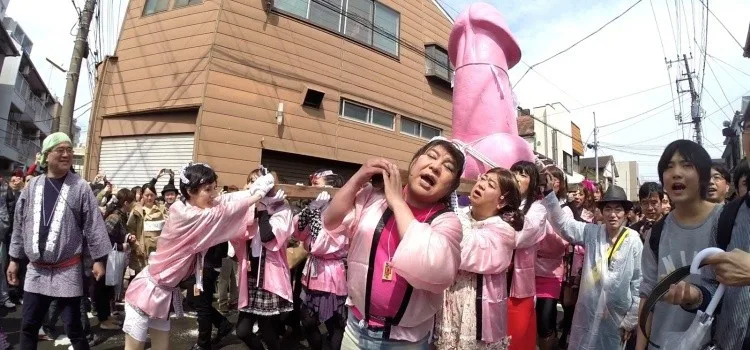
Fertility festivals show why context matters. Kanamara Matsuri is known for phallic symbols, sweets and objects connected with fertility. Seeing those symbols in a festival does not mean that Japan treats every sexual subject as appropriate in every setting, nor does it say anything about a person’s consent.
Sexual media does not define social behavior
Japan has commercial adult media and sexual themes in some manga, anime and games. Their existence does not prove that people share the same opinions, that minors can access the material legally or that abusive conduct is tolerated. Penal Code Article 175 also regulates the public distribution and display of obscene materials.
Japanese adult media is often associated with censorship, a subject explained in this guide to censorship in adult content in Japan. That legal and commercial feature should not be used as a shortcut for understanding relationships, consent or the daily lives of Japanese people.

How to avoid common misconceptions
- Custom is not consent: bathing traditions and festival imagery describe a setting, not permission for sexual contact.
- Media is not a population survey: fiction and adult entertainment cannot explain what an entire country believes or does.
- A legal threshold is not a blanket approval: age rules, close-in-age provisions, coercion, exploitation and local protections must be read together.
Debates about intimacy in Japan also overlap with wider questions about demographics, gender and LGBTQ+ rights. For a separate look at one of those debates, see why Japan’s birth rate is often linked to claims about declining interest in sex and how homosexuality is discussed in Japan. Those topics are related, but neither can be reduced to stereotypes about Japanese culture.


Community
Comments
0 comments
There are no published comments in this language yet.
Send comment