

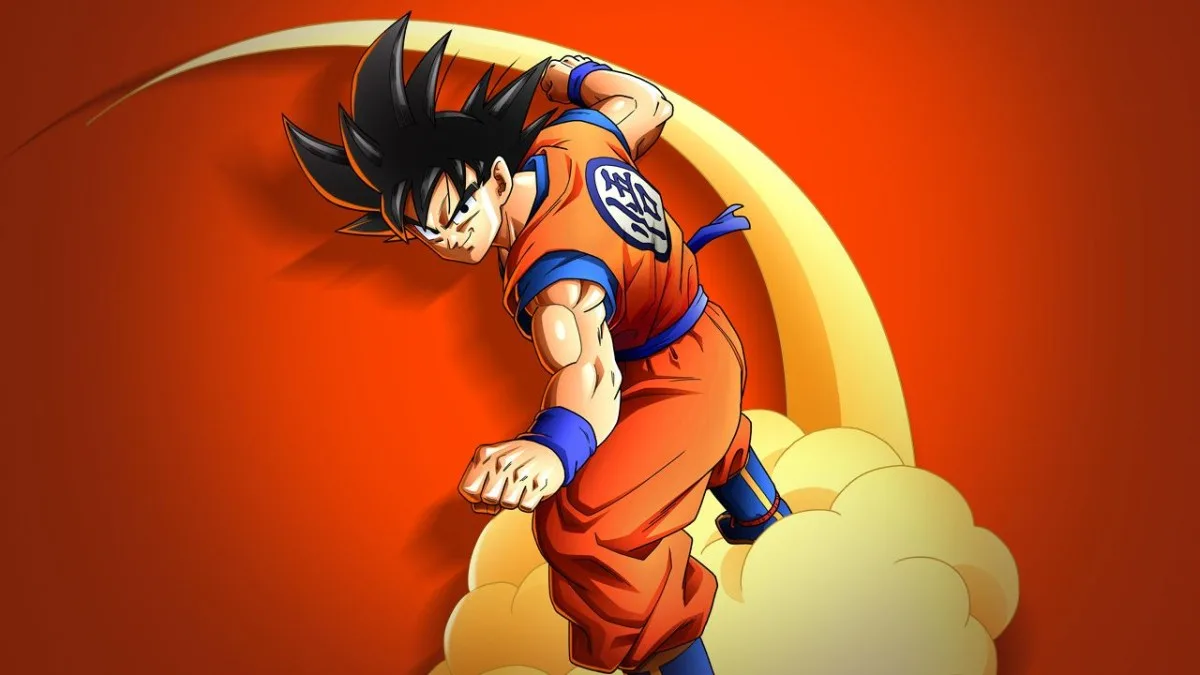
In Japan, cartoons are taken seriously. There is even a special date that proves this. May 9 is Goku Day (悟空の日), a day dedicated to the main character of the Dragon Ball manga and anime.
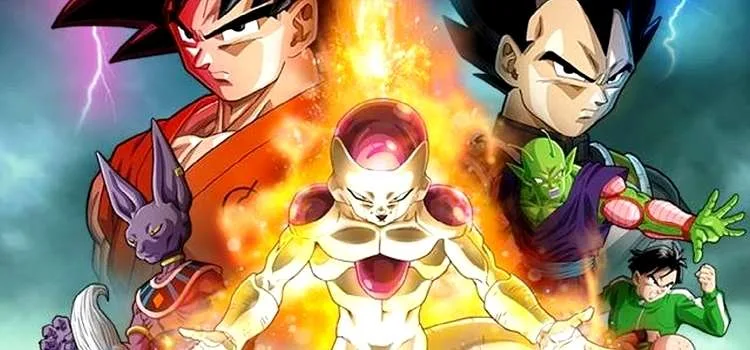
The Japan Anniversary Association (日本記念日協会) certified the date in 2015, while Dragon Ball Z: Resurrection 'F' was still in theaters. After a screening at Shinjuku Wald 9, Masako Nozawa, Goku's Japanese voice actress, received the registration card on stage and a bouquet of 59 carnations. Staff called her the "mother" of Dragon Ball. Toei, the film's Japanese distributor, had filed the application so the 5/9 pun would sit on the calendar. The first Dragon Ball TV series had gone out on Fuji TV on February 26, 1986, and 2016 would mark thirty years of that broadcast.
Contents 4
Why May 9 reads as Goku
The date is a goroawase, a Japanese number pun. Written month-first, May 9 is 5/9. Five is go (五). Nine can be read ku or kyū (九). Stacked together, the syllables line up with Goku (悟空). The official Dragon Ball site explains it the same way: 5 and 9 become go and ku, and that is why May 9 is the day.
May 4 already sits nearby as Star Wars Day, from "May the 4th be with you." The same association has listed that one. Goku Day uses the same kind of calendar humor, only the trigger is Japanese phonetics rather than an English catchphrase.
Game promotions often stretch the pun across the Son family. May 8 becomes Gohan's day (go-han). May 10 becomes Goten's day (go-ten). Those extra labels show up in Dokkan Battle campaigns. The date Toei actually registered remains May 9.
Masako Nozawa and the 2015 registration
Toei's notice said the company established the day to spread Dragon Ball Z and the charm of Son Goku, reading 5 and 9 as go-ku. Nozawa said she had assumed the staff had simply picked 5/9 on their own. The printed registration card was what surprised her.
Akira Toriyama chose her voice for Goku, then asked her to play Gohan and Goten as well. Japanese fans already called her the mother of the series. Mother's Day in 2015 fell on May 10, the Sunday after the event, so the 59 carnations were both a date gag and a thank-you.
The scale that made the date stick
After Dragon Ball GT ended in 1997, fans kept the franchise in circulation for years with little new television. Dragon Ball Super filled that gap. It premiered in July 2015, a few months after Goku Day was registered, and ended on March 25, 2018, after 131 episodes. The Super manga kept going after the TV run. Dragon Ball Daima then aired from October 2024 to February 2025.
The closed counts still hold. Toriyama's manga ran in Weekly Shōnen Jump from 1984 to 1995 and fills 42 tankōbon volumes. Those volumes have been reported at more than 260 million copies in circulation worldwide. Toei Animation's first TV series opened in 1986. Dragon Ball Z ran from 1989 to 1996, then GT, plus a stack of films, games, and licensed products. The anime has been broadcast in more than 80 countries.
Who hasn't tried a Kamehameha, tried to fly by concentrating ki, or struck a Super Saiyan pose? Those gestures are why a calendar listing can last. People already had Goku in their hands.
How the date is used now
Goku Day is a yearly campaign slot as much as a fan joke. The official site still drops May 9 roundups: Ichiban Kuji figures, Dokkan Battle events, FighterZ login bonuses, stickers, crane-game prizes. Bandai Namco often opens a Gohan, Goku, and Goten window on May 8 so the three puns sit in one event.
The Japan Anniversary Association is a private registry. A company applies, pays, and gets a listing it can call official in a press release. Twin-tail day, Star Wars Day, and Goku Day sit on that same list. The listing shows how far an anime character can move into an ordinary Japanese calendar.
May 9 belongs to Goku because Japanese already pointed there, Toei wrote it down in 2015, and new series, films, and games keep the name in circulation. The date works because fans already know the pose.




Community
Comments
0 comments
There are no published comments in this language yet.
Send comment