
A car can look affordable on a Japanese dealer’s listing and still become a far larger commitment by the time it is registered, insured and parked. That gap is the part worth understanding before you fall for the mileage, the color or a tempting used-car price. In Japan, the purchase is not only about choosing a model; it is also about proving where it will live and planning for the next inspection.
Foreign residents can buy a car in Japan, but paperwork and financing are not identical for every buyer. Rules and documents vary by municipality, vehicle class and dealer, so ask for an itemized on-the-road estimate before paying a deposit. It should separate the vehicle price from registration, taxes, insurance, recycling charges, parking and any inspection work.

Contents 9
Start with parking, not the showroom
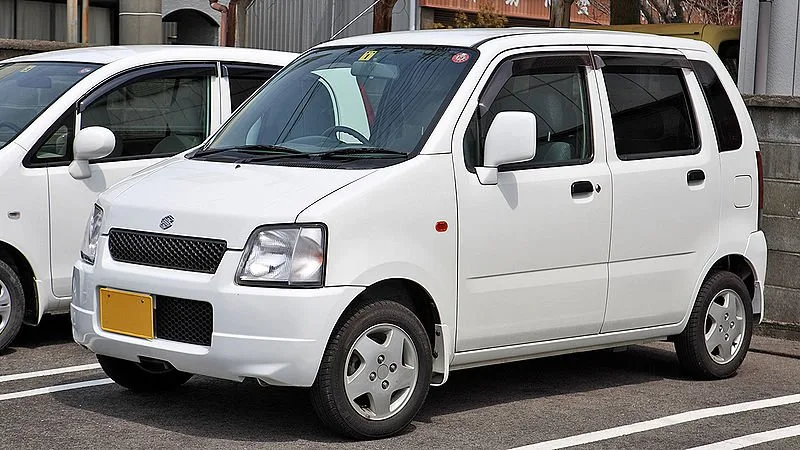
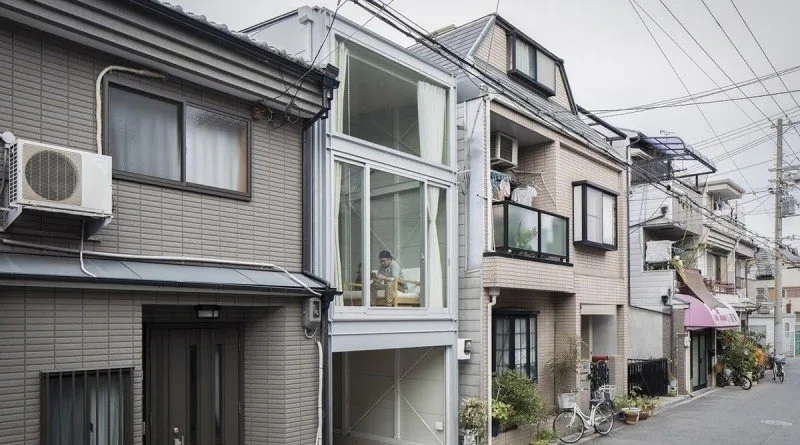
For many ordinary passenger cars, registration requires proof that you have a place to park. The document is commonly called shako shōmei (車庫証明), or parking-space certificate. A landlord or parking-lot operator may need to supply part of the application, and the local police station handles the process.
Do not assume every vehicle and every area follows the same rule. Some kei-car procedures and less densely populated areas have different requirements. Confirm the rule where the car will be registered, then confirm that your lease permits the space to be used for the vehicle. A cheap car is no bargain if monthly parking makes the ownership cost unworkable.
What does a car really cost in Japan?
The sticker price is only the first line of the budget. New and used cars can both bring registration work, taxes, insurance and dealer fees. A used car may look especially attractive when it has time left on its current shaken certificate; one close to expiry can need a major expense soon after purchase.
Costs to ask about before signing
- Registration and transfer: number plates, name transfer and paperwork. A dealer can handle much of this work for a fee; a private purchase puts more of it on the buyer.
- Shaken (車検): Japan’s compulsory vehicle inspection. A new passenger car normally has its first inspection three years after initial registration, then every two years. Used cars follow the expiry date already attached to the vehicle.
- Compulsory liability insurance: jibaiseki hoken (自賠責保険) is tied to the inspection cycle. Its protection is limited, so voluntary insurance deserves a separate quote.
- Vehicle and weight taxes: these depend on factors such as engine size, weight, age and vehicle category. Ask which amounts are already included and which will be due later.
- Parking, fuel, tolls and maintenance: these recurring costs can matter more than a small difference in the purchase price, especially in Tokyo or Osaka.
- Recycling and disposal-related charges: check the vehicle’s documents and the dealer’s estimate so this fee is not a surprise at handover.
A useful comparison is not “new versus used” in the abstract. Compare two specific cars with their remaining shaken, tire condition, service record, parking cost and insurance quote. That turns a headline price into a decision you can live with.

New, used or leased?
A new car gives you a known history and a full factory warranty, but it also starts depreciating as soon as it is registered. A used car can lower the upfront price, yet it needs closer checking. Look at the shaken expiry date, maintenance records, mileage, accident or repair history and the condition of tires, brakes and bodywork. If a dealer presents an auction sheet or inspection record, read it rather than relying on a sales description alone.
Leasing can suit someone who expects to stay in Japan for a limited period or wants a monthly arrangement that bundles some ownership tasks. Read the mileage, early-return and damage terms carefully. Buying makes more sense when you can handle the ongoing costs and have a realistic plan to sell, trade in or dispose of the car later.
Documents and registration for foreign residents
The exact list depends on the seller and local office, but a dealer commonly asks a foreign resident for identification, proof of address and paperwork connected to the parking space. You may also need a registered seal certificate or be able to sign under the dealer’s procedure. A dealer that completes the registration can make the process easier, but ask exactly what its service fee covers.
A driving licence is about using the car, not about the ownership transfer itself. To drive legally, you need a valid Japanese licence or another licence arrangement accepted for your situation. Do not treat an international driving permit as a permanent substitute without checking the applicable rules.
Can you finance a car in Japan?
Financing is possible, but approval is not automatic. Lenders may assess residence status, length of employment, income, credit history and, in some cases, a guarantor. A dealership loan may be simpler to apply for than a bank loan, but compare the total repayment, not only the monthly figure.
Before applying, decide what cash payment you can make while still leaving room for insurance, parking and repairs. If financing is unavailable or expensive, do not stretch the budget for a more expensive model. A well-documented used car with manageable running costs is often the safer purchase.
Insurance and shaken: two checks you cannot skip
Shaken is not merely a service appointment. The inspection process brings together vehicle inspection, compulsory liability insurance and weight-tax payments. The certificate shows the expiry date, and driving after it expires is illegal. Keep the certificate and insurance documents organized from the first day you own the car.
Compulsory insurance is not the same as comprehensive protection. Voluntary coverage can address damage and liabilities that the compulsory policy does not fully cover. Request quotes before choosing the car, particularly if you are considering an imported model or a vehicle with costly parts. For related guidance, see our article on car insurance in Japan.
Checklist before you pay
- Confirm parking eligibility and the local certificate procedure.
- Ask for a written total that lists taxes, registration, insurance, recycling charges and dealer fees.
- Check the shaken expiry date and expected maintenance on a used car.
- Review service records, inspection notes and accident history where available.
- Get a voluntary-insurance quote for the exact model.
- Read loan or lease terms for total cost, not only the monthly payment.
- Make sure you have the licence arrangement required to drive in Japan.
One more safety point: keep the car legal to drive and never treat an expired inspection or missing insurance as a minor detail. Penalties and consequences can be serious; our guide explains why drinking and driving in Japan is taken so seriously.
Useful Japanese vocabulary for buying a car
- 車 (くるま, kuruma) – car
- 中古車 (ちゅうこしゃ, chūkosha) – used car
- 新車 (しんしゃ, shinsha) – new car
- 見積もり (みつもり, mitsumori) – estimate or quotation
- 頭金 (あたまきん, atamakin) – down payment
- ローン (rōn) – loan or financing
- 任意保険 (にんいほけん, nin’i hoken) – voluntary insurance
- 自賠責保険 (じばいせきほけん, jibaiseki hoken) – compulsory liability insurance
- 車検 (しゃけん, shaken) – vehicle inspection
- 名義変更 (めいぎへんこう, meigi henkō) – ownership transfer
- 車庫証明 (しゃこしょうめい, shako shōmei) – parking-space certificate
- 走行距離 (そうこうきょり, sōkō kyori) – mileage
この車はまだ販売中ですか?
Kono kuruma wa mada hanbaichū desu ka?
Is this car still for sale?
試乗できますか?
Shijō dekimasu ka?
Can I take a test drive?
車検はいつまでですか?
Shaken wa itsu made desu ka?
When does the shaken certificate expire?
総額はいくらですか?
Sōgaku wa ikura desu ka?
What is the total price?





Community
Comments
0 comments
There are no published comments in this language yet.
Send comment