
Recently, the journey of Tetris, from its creation by Alexey Pajitnov in the Soviet Union to its worldwide success, was transformed into a movie released by Apple TV. In this article, we will talk a little more about the story of these two great names, Alexey Pajitnov and Henk Rogers.
The film highlights the origin of the game in the hands of Soviet programmer Alexey Pajitnov and Henk Rogers' negotiations with Elorg to secure the console rights for the game in the Soviet Union.
I just watched the movie and decided to write this article. I really liked the story and didn't know how fun it was, so I decided to highlight more information about this Tetris story.
We also recommend reading: Names of Nintendo characters in Japanese

Contents 6
The Story of Henk Rogers
Henk Rogers played an important role in the gaming world and in the popularization of the Tetris game and the sales of the first Game Boy. Let's see the story of his journey and involvement with the game:
The Beginning of Henk Rogers' Life
Henk Rogers was born on December 24, 1953, in Amsterdam, Netherlands. The son of a Dutch electrical engineer and an Indonesian teacher, Rogers grew up in a multicultural and diverse environment. His family moved to New York when he was just 11 years old, which allowed Rogers to be exposed to different cultures and worldviews.
During his youth, Rogers studied at Stuyvesant High School in New York, where he discovered his love for strategy and computer games. After graduating, he decided to pursue his passion and studied computer science at the University of Miami. However, his quest for knowledge led him to drop out of university and move to Japan, where he would study at the Tokyo Institute of Technology.
The move to Japan was a turning point in Henk Rogers' life. He quickly adapted to Japanese culture and decided to stay in the country after completing his studies. In 1982, Rogers founded Bullet-Proof Software (BPS), a company focused on the development and publishing of computer and video games. BPS became a significant force in the Japanese electronic gaming market and established a solid foundation for Rogers' future business endeavors.
Discovering Tetris
In 1988, Rogers discovered the Tetris game at a gaming expo in Las Vegas and was fascinated by its simplicity and universal appeal. He decided that he wanted to acquire the rights to the game and launch it in Japan. However, the rights to the game were entangled in a complex web of negotiations and contracts, as the game was originally developed in the Soviet Union by programmer Alexey Pajitnov.
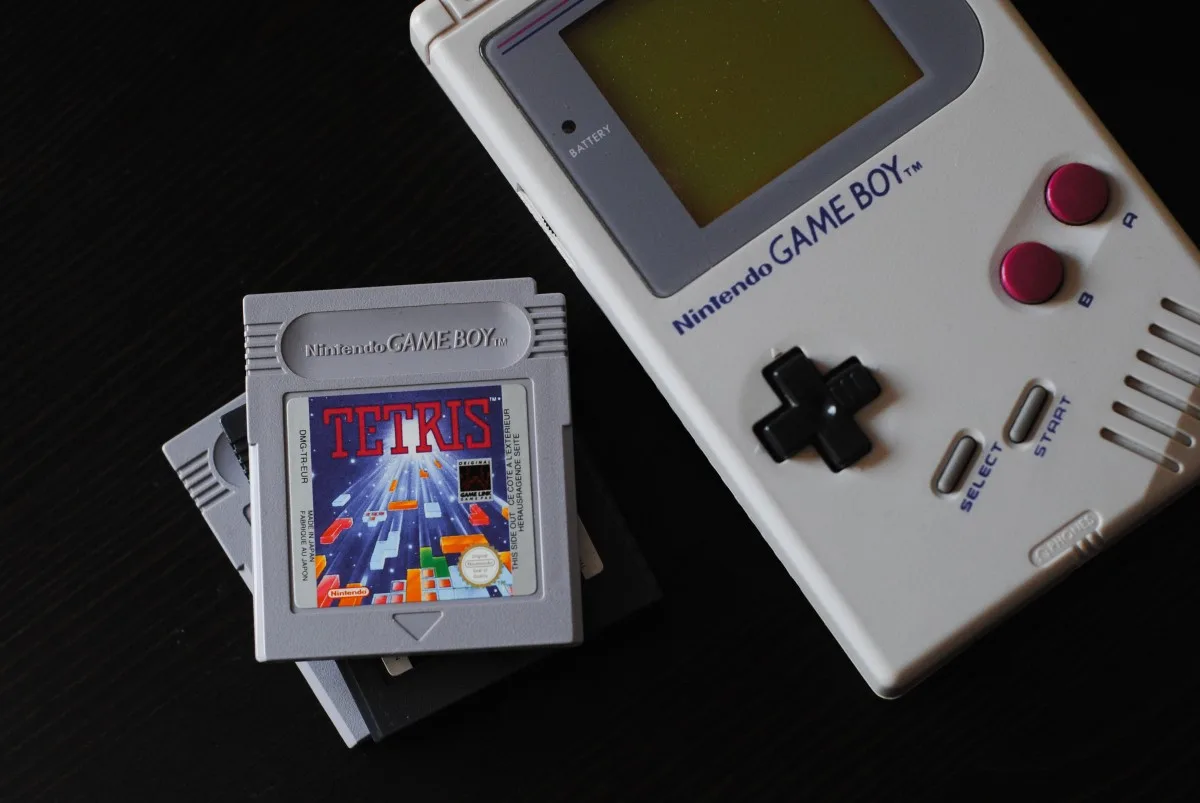
Rogers traveled to Moscow to negotiate directly with Elorg, the Soviet agency responsible for software export rights. After intense negotiations, he managed to secure the exclusive console rights for Tetris, allowing BPS to launch the game on the Nintendo Entertainment System (NES) and the Game Boy. The latter platform, in particular, proved to be a huge success, with Tetris becoming one of the best-selling games of all time.
While Rogers was negotiating with Elorg, Mirrorsoft, a British electronic games company, was also trying to acquire the rights to Tetris. Mirrorsoft had obtained a non-exclusive license to distribute Tetris on personal computers and later sublicensed the game to Atari Games, which released it in arcades and home consoles.
This led to a legal dispute between BPS, Mirrorsoft, and Atari Games, as Rogers claimed to hold the exclusive console rights to Tetris. The legal battle was long and complicated, involving multiple companies and jurisdictions. Eventually, Rogers and BPS prevailed, securing the exclusive console rights to Tetris and solidifying their place in video game history.
The Tetris Company and Other Projects
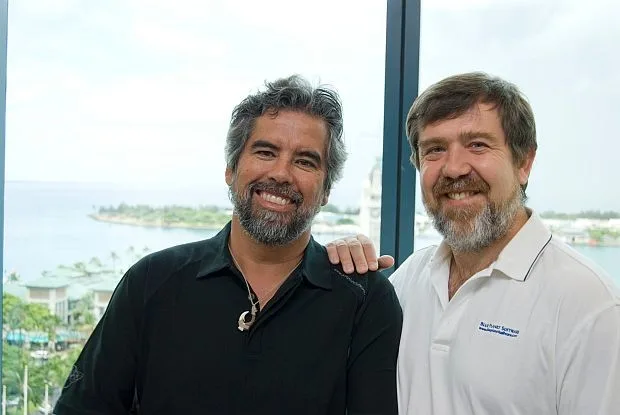
After the success of Tetris, Rogers expanded his business and established The Tetris Company, in partnership with Alexey Pajitnov. The company was created to manage and protect the intellectual property of Tetris and ensure that the game was licensed fairly and appropriately. Under Rogers' leadership, The Tetris Company became one of the major players in the electronic gaming industry, with Tetris continuing to be a worldwide success across various platforms.
In addition to his work in the electronic gaming industry, Rogers also dedicated himself to promoting sustainability and renewable energy. In 1995, he founded the Blue Planet Foundation, a nonprofit organization focused on finding solutions to global environmental issues such as climate change and dependence on fossil fuels.
The Blue Planet Foundation has worked closely with the government of Hawaii, Rogers' home state, to promote clean and sustainable energy policies. The foundation has played a crucial role in Hawaii's transition to renewable energy sources, and Rogers has been an tireless advocate for the need for change on a global level.

Personal Life and Legacy
Henk Rogers married his wife, Akemi, in Japan, and together they had four children. His family has been an important part of his life and his success in business. Rogers' dedication to his family and his passion for the electronic gaming industry and sustainability has been a driving force in his life and career.
The journey of Henk Rogers is a story of perseverance, passion, and success. He turned a passion for electronic games into a thriving career, and his involvement with Tetris has had a lasting impact on the gaming industry. Moreover, his commitment to sustainability and renewable energy has been an inspiration to many and has made a real impact in the global fight against climate change.
In summary, the life and career of Henk Rogers are an example of how determination and passion can lead to extraordinary success and a lasting impact on the world.
The Story of Alexey Pajitnov
Alexey Pajitnov, the creator of Tetris, had an interesting journey after the initial release of the game. When Pajitnov developed Tetris in 1984, he was working at the Computing Center of the Russian Academy of Sciences in Moscow. Since he created the game while working for a Soviet government institution, the rights to Tetris were owned by the Soviet government.
During the early years after the release of Tetris, Pajitnov did not receive royalties or profits from the game, despite its growing success and popularity. However, Pajitnov continued to develop and improve the game, as well as work on other programming projects.
In 1991, Pajitnov moved to the United States with the help of Henk Rogers, who had become his friend during the negotiations for the rights to Tetris. Together, they founded The Tetris Company in 1996, which took control of the rights to Tetris and managed its intellectual property.
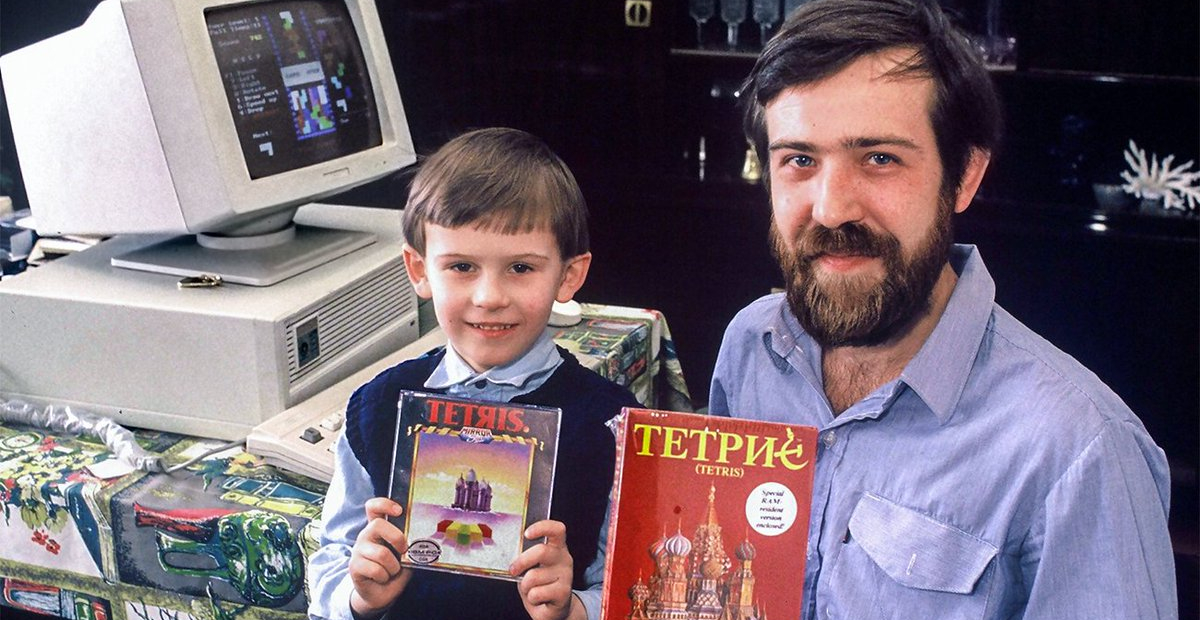
Finally, in 1996, the rights to Tetris were returned to Pajitnov by the Russian government, allowing him to start receiving royalties and profits from the game.
Alexey Pajitnov continued working in the electronic gaming industry, collaborating with companies like Microsoft and Spectrum HoloByte. He also worked on other game projects, such as Hexic and Tetris sequels. Pajitnov is often invited to electronic gaming events and conventions and is widely regarded as a legend in the industry.
Pajitnov's journey, from the creation of Tetris in the Soviet Union to recognition and financial success in the United States, is a unique and inspiring story of talent, perseverance, and passion for electronic games.






Community
Comments
0 comments
There are no published comments in this language yet.
Send comment