
Japan faces a persistent problem of abandoned houses known as "akiya." These empty residences represent a challenge for the country, both from an economic and social perspective. Fortunately, an innovative solution called Akiya Bank has emerged as a way to tackle this housing crisis and revitalize local communities.
Discover how the Akiya Bank is solving the housing crisis in Japan and revitalizing abandoned houses.
We recommend reading: Houses in Japan – What are they like? Rent or Buy?
Contents 12
What is the Akiya Bank?
The Akiya Bank is a pioneering project aimed at connecting owners of empty houses with people interested in acquiring a new home. Launched in 2008 by the Akiya Recovery Agency, the virtual bank allows people to search for and find abandoned houses in different regions of Japan.
This online platform, also available as an app, features an extensive list of vacant houses, including details about location, size, price, and conditions of the property.
The goal of the Akiya Bank is to encourage the purchase and use of these neglected houses, thus avoiding waste of resources and revitalizing declining communities.
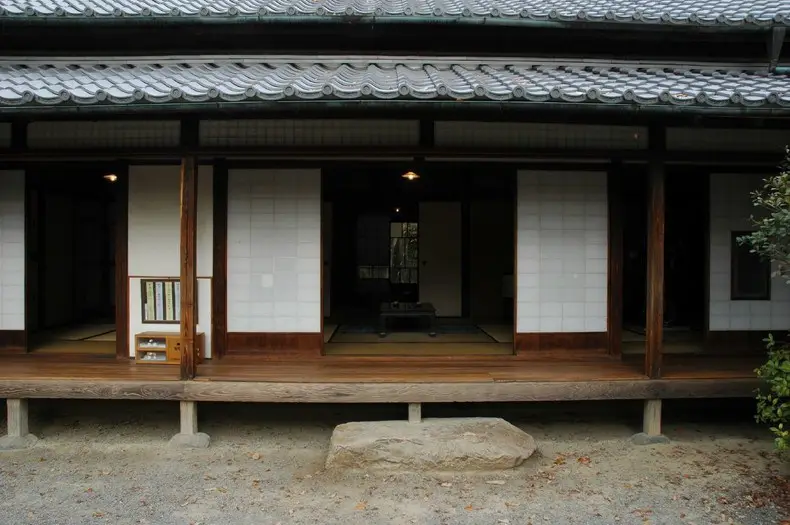
How does the Akiya Bank work?
The Akiya Bank acts as a bridge between the owners of empty houses and potential buyers or tenants. The platform allows owners to advertise their properties for free, while interested parties can search, filter, and find options according to their preferences.
Once a buyer finds a house of interest, the Akiya Bank assists in the purchasing process by providing information about necessary documents, financing, and legal support.
Additionally, the platform also offers support in the renovation and remodeling of acquired houses, connecting buyers with construction companies and architects.
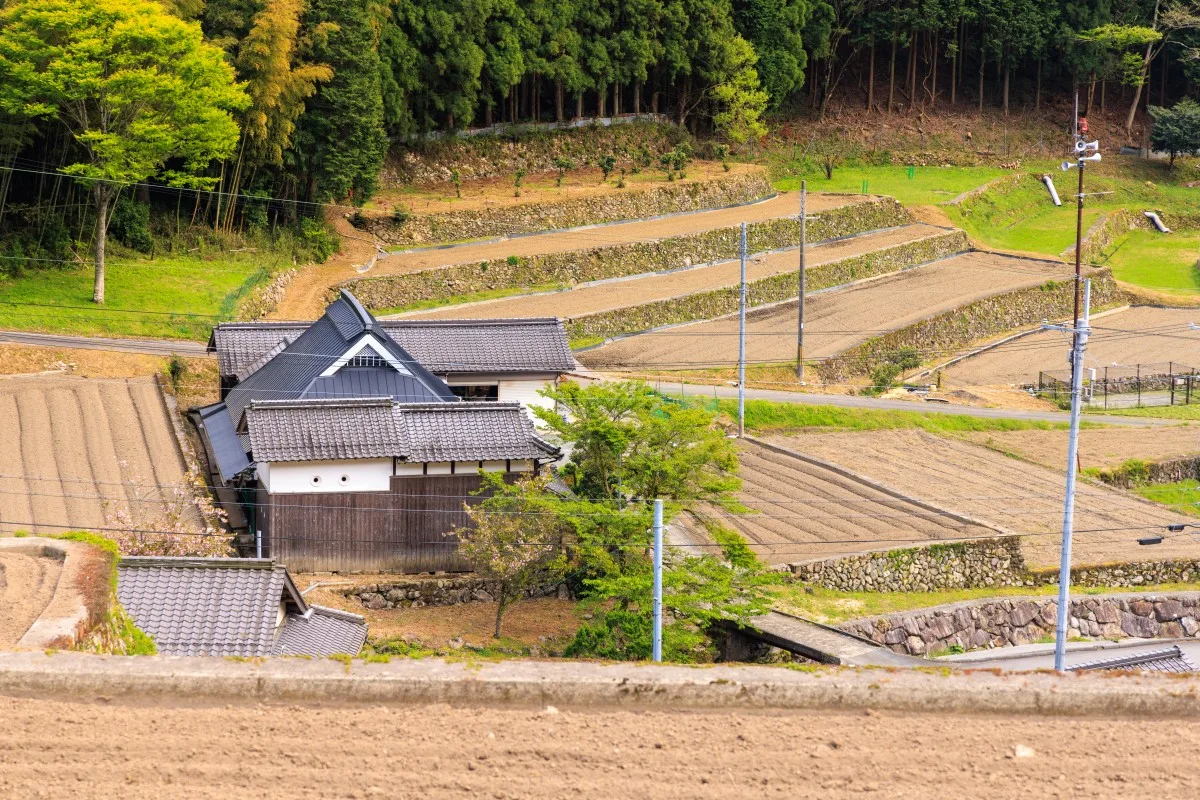
Benefits of the Akiya Bank
The Akiya Bank brings a series of benefits for both the owners of empty houses and potential buyers:
Reduction of waste
The project combats resource waste by reusing abandoned houses instead of building new structures. This contributes to sustainability and avoids environmental degradation.
Stimulus to the local economy
The revitalization of empty houses generates a positive impact on the local economy. Renovations and occupancy of these properties create jobs for builders, architects, real estate agents, and other professionals related to the sector.
Solution to the housing crisis
The Akiya Bank helps to solve the housing crisis by providing affordable housing options for people looking for a new home. This is especially beneficial for young couples, people seeking a second residence, or foreigners wishing to settle in Japan.
Preservation of local culture and identity
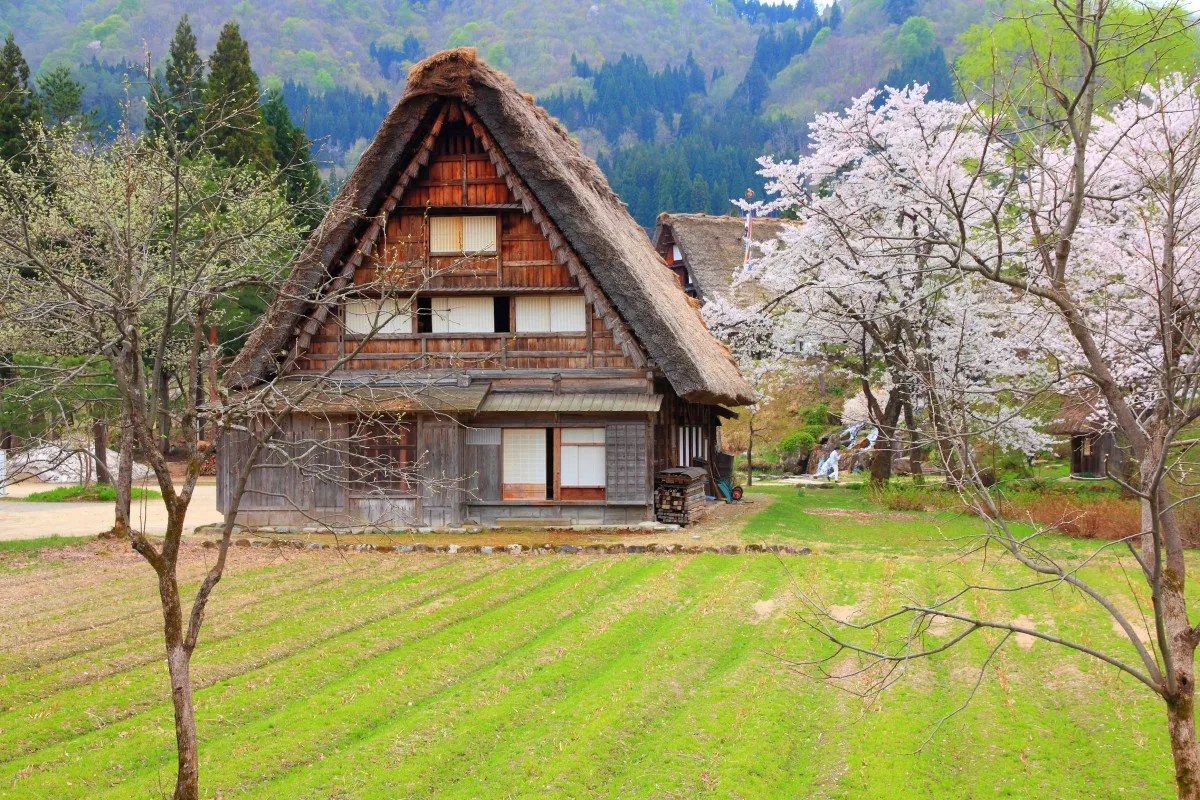
By rehabilitating abandoned houses, the Akiya Bank contributes to the preservation of local culture and identity. Many of these houses have significant historical and architectural value, representing a piece of the history of the communities in which they are located. By revitalizing them, these unique characteristics are preserved, enriching the cultural heritage of the region.
Improvement of quality of life
The occupancy of empty houses through the Akiya Bank improves the quality of life for people and communities. By bringing new residents to declining areas, it is possible to reactivate local services, such as shops, restaurants, and schools, which had been affected by the lack of residents. Additionally, the presence of residents contributes to the safety and vitality of the areas, creating a sense of belonging and community.
Incentive to tourism
Many abandoned houses are located in picturesque and tourist regions of Japan. When revitalized, these houses can become tourist attractions, attracting visitors interested in experiencing local culture. This boosts tourism in these areas, generating additional revenue for local residents and businesses.
Subsidies from the Akiya Bank
Certain municipalities in Japan have implemented subsidies to encourage participation in the Akiya Bank and facilitate the revitalization of empty houses. These subsidies are offered as an additional incentive to attract buyers and help address the housing crisis. Here are some examples of subsidies that may be available:
- Financial subsidies: Some municipalities provide direct financial subsidies to support the purchase or renovation of houses through the Akiya Bank. These subsidies can help reduce initial costs, such as down payments or mortgages, making acquisition more accessible for buyers.
- Tax exemptions: Some municipalities offer tax exemptions for owners of empty houses who make them available through the Akiya Bank. These exemptions may include reductions or exemptions from property taxes, real estate transfer taxes, or income taxes.
- Support for renovations: To encourage the revitalization of empty houses, municipalities may provide subsidies to help with renovation and remodeling costs. This may include financial assistance for structural repairs, energy efficiency improvements, installation of safety or accessibility features.
- Technical assistance: In addition to financial subsidies, some municipalities offer technical assistance for owners who wish to renovate their empty houses. This may include consulting from architects, engineers, or construction specialists to assist in project design and ensure compliance with local regulations.
- Entrepreneurship support programs: Some municipalities offer entrepreneurship support programs for buyers who wish to open a business in a revitalized house. This may include assistance in obtaining business licenses, support in developing business plans, and guidance for accessing financing.
How to Join the Akiya Bank?
To join the Akiya Bank and start exploring the available options for empty houses, follow the steps below:
- Access the Akiya Bank website: Visit the official Akiya Bank website, which is an online platform dedicated to connecting owners of empty houses with interested buyers. Make sure to access the reliable and official site for up-to-date and accurate information.
- Search for available houses: On the Akiya Bank website, browse the list of available empty houses. You can use search filters, such as location, size, and price, to refine the results and find options that meet your preferences and needs.
- Analyze the details of the houses: Upon finding a house of interest, analyze the provided details, such as property description, photos, conditions, and other relevant information. Make sure to understand all important information before proceeding.
- Contact the owner: If you find a house that interests you, contact the owner or the agent responsible for the listing. Generally, the Akiya Bank website provides contact information to facilitate communication.
- Negotiate and finalize the purchase or rental: After contacting the owner, you can start negotiations to acquire the empty house. Discuss the terms, conditions, and price with the owner or real estate agent. If you reach an agreement, follow the provided guidelines to finalize the purchase or rental of the property.
It is important to highlight that the exact process of joining the Akiya Bank may vary depending on the circumstances and the region where the empty house is located. Additionally, it is advisable to seek the support of a real estate specialist or lawyer to assist you in negotiations and legal matters involved in acquiring the property.
Be sure to also follow local laws and regulations, including those related to real estate transactions, taxes, and necessary licenses. These measures will help ensure that your experience joining the Akiya Bank is safe, transparent, and successful.
Challenges and Future Perspectives
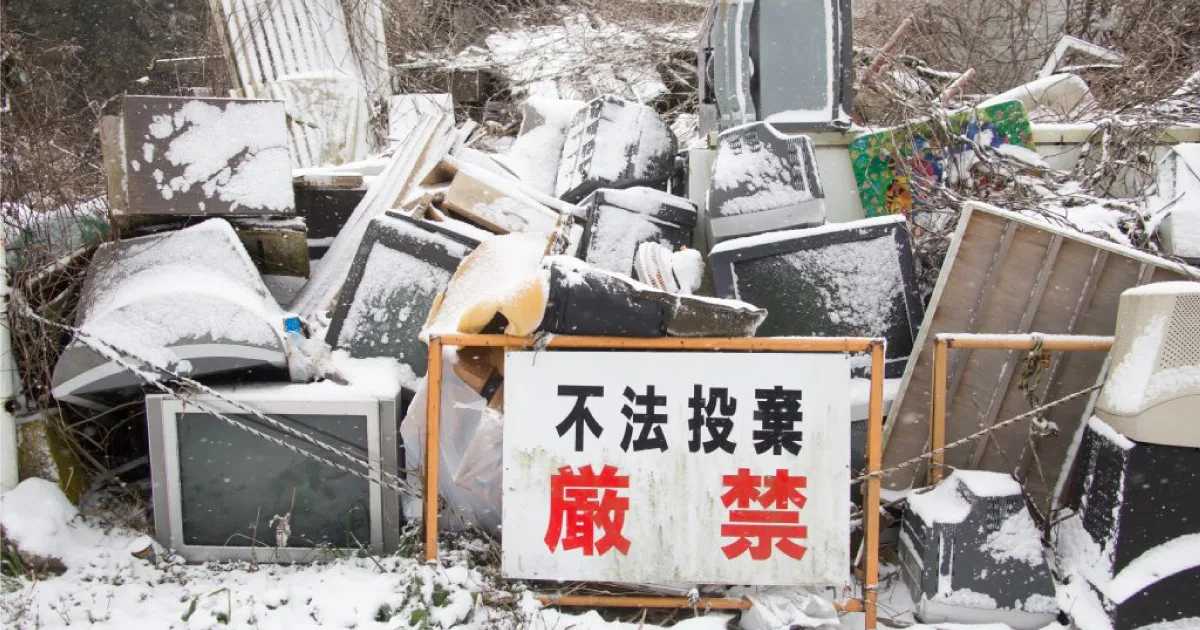
Although the Akiya Bank has brought significant benefits to addressing the housing crisis and revitalizing rural areas in Japan, there are still challenges to be faced. Some owners may have difficulty selling their houses due to structural issues, remote locations, or lack of resources for renovations. Additionally, the demand for empty houses may vary from region to region, requiring a balance between supply and demand.
However, the success of the Akiya Bank has inspired other similar initiatives around the world, seeking creative solutions to the housing crisis and the waste of abandoned properties. The exchange of knowledge and experiences among these projects can open new opportunities and improve existing practices.
In summary, the Akiya Bank plays a vital role in revitalizing abandoned houses in Japan, addressing the housing crisis and bringing economic, social, and cultural benefits to local communities. By connecting owners and interested buyers, this platform is transforming the urban and rural landscape of the country, ensuring a sustainable future for empty houses and the people who inhabit them.





Community
Comments
0 comments
There are no published comments in this language yet.
Send comment