
If there is one thing that Japan takes seriously, it is the pursuit of aesthetics — but not in the way the West is used to. While there the trend is to enhance lips or define facial features, in Japan aesthetic procedures follow a different path: more subtlety, more technological innovation, and often completely different objectives.
And yes — there are aesthetic procedures that only exist in Japan. Some seem like something out of science fiction, while others are so specific to the local culture that they only make sense within that social and beauty context. You will be surprised by how unique the Japanese standard of male beauty is — and how it directly influences the types of treatments sought.
Contents 13
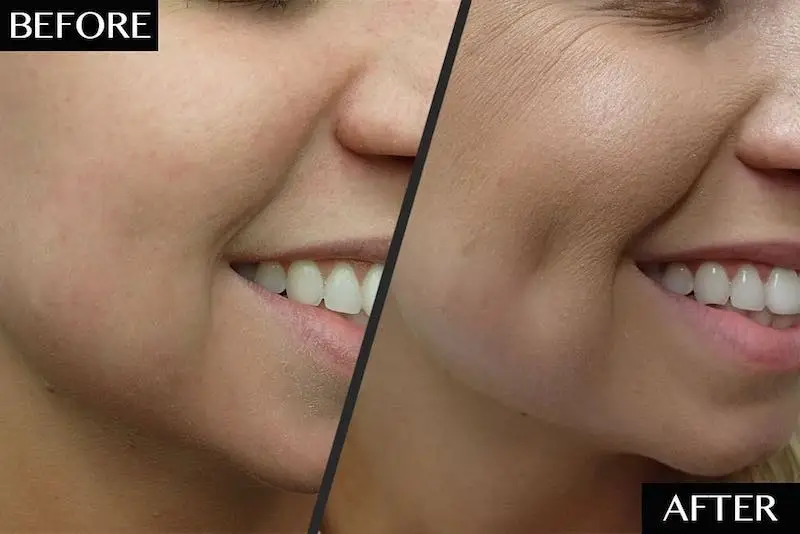
1. Ekubo Keisei Jutsu – Dimple Creation
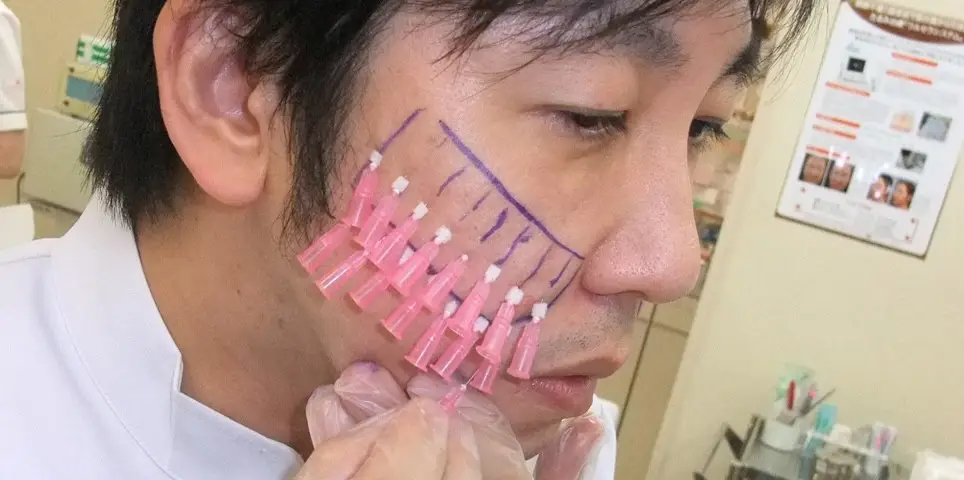
The procedure えくぼ形成術 (Ekubo Keisei Jutsu) exists because in Japan, dimples in the cheeks are considered extremely attractive, conveying youth and a subtle charm. The technique creates a small internal scar that "pulls" the skin when you smile — the result is subtle but striking, in a delicate and natural way. It works as a small detail that changes the whole expression without drawing attention.
The goal here is to enhance an almost imperceptible feature, but one that culturally carries a lot of personality. It is quick (about 30 to 60 minutes) and the result is permanent. Prices today range from around ¥110,000 (about US$ 800–900) for one dimple to ¥198,000 (about US$ 1,400) for both, depending on the clinic and the chosen surgeon.
2. Ashi Enchou Shujutsu – Cosmetic Leg Lengthening
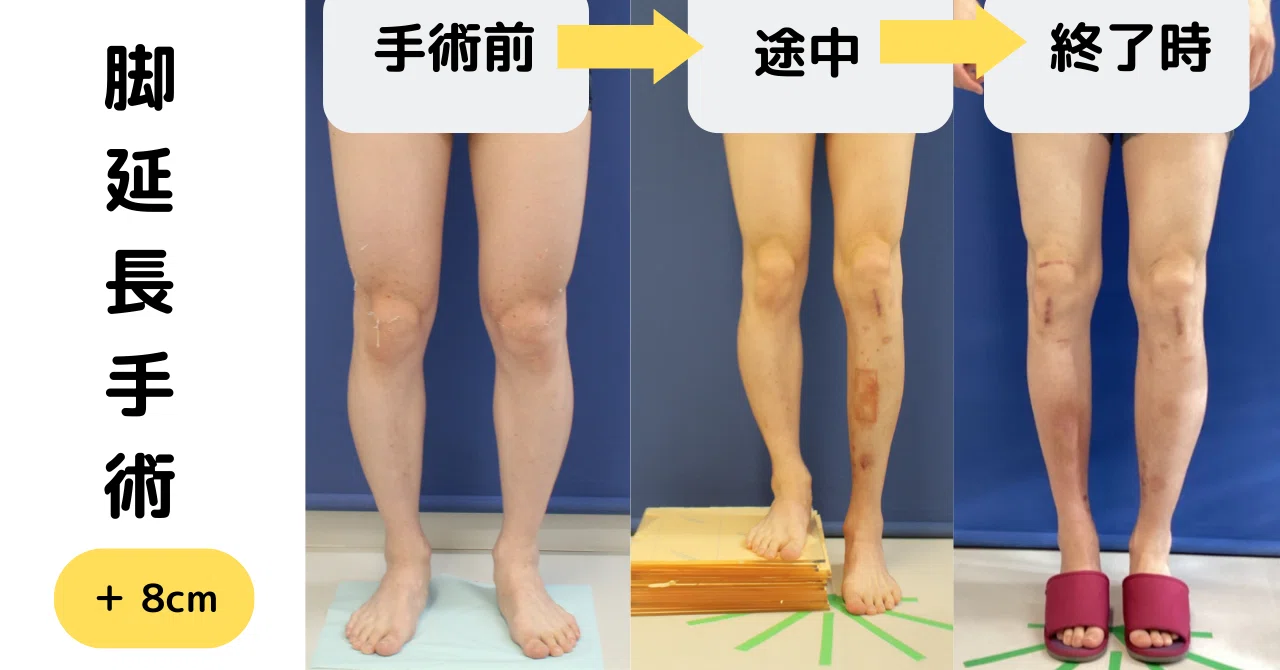
Known as "脚延長手術" (Ashi Enchou Shujutsu), leg lengthening in Japan goes beyond corrective medicine. Young men (and occasionally women) undergo this procedure purely for cosmetic reasons, looking to gain 5 to 8 cm in height.
It involves controlled bone fractures, external metal fixators, and months of intense recovery. Despite the risks and pain, some accept all of this to fit into a standard where height is read as a symbol of success and attractiveness. Is it all because Japanese people tend to be shorter than the global average?
3. Double Eyelid Surgery – Double Eyelid
Also called 二重まぶた整形 (futae mabuta seikei), this surgery creates the crease in the upper eyelid that many associate with a more open and expressive look. In Japan, this aesthetic is very common — not only because of Western influence, but because it makes the face look more symmetrical and the eyes livelier, giving an impression of clarity and youth.
The procedure, which can use either suture or incision techniques, takes up to an hour. The crease is carefully designed to harmonize with the patient’s features. As for price, the suture technique costs about ¥154,000 (around US$ 1,100), while more complex methods, with incision and ptosis correction, can reach ¥495,000 (around US$ 3,500).
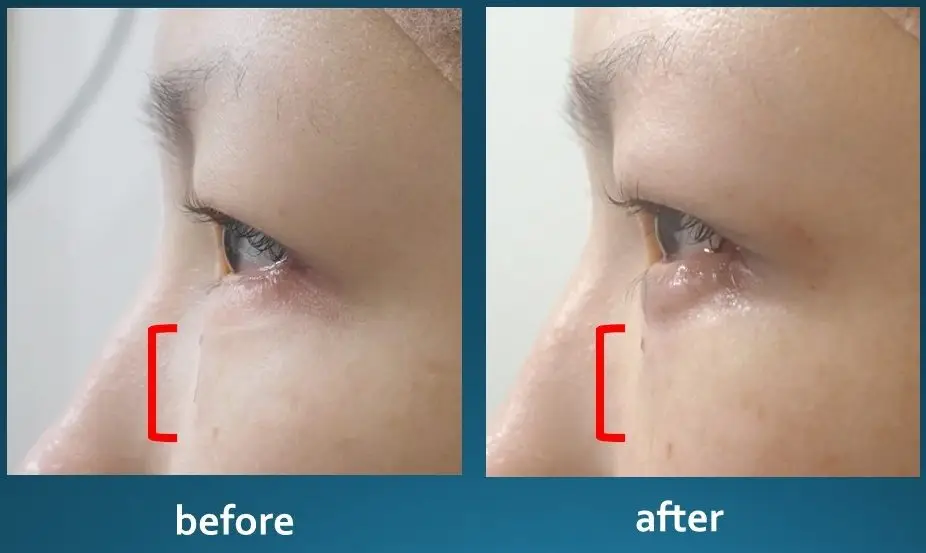
4. Namida Bukuro Keisei – Tear Bag
Known as 涙袋形成 (namida bukuro keisei), this surgery creates a subtle volume just under the eyes, forming what is called a "tear bag" (aegyo-sal). Unlike in the West, Japan values this slight protrusion below the lower eyelid, as it conveys softness, friendliness, and a livelier expression — almost an emotional charm on the face.
Usually done with autologous fat or hyaluronic acid fillers, the application takes less than an hour and requires only local anesthesia. The price is accessible: between ¥121,000 and ¥181,500 (about US$ 850–1,300), depending on the technique, with results lasting several months — or, with one’s own fat, even years.
5. Buccal Fat Removal – Cheek Fat Removal
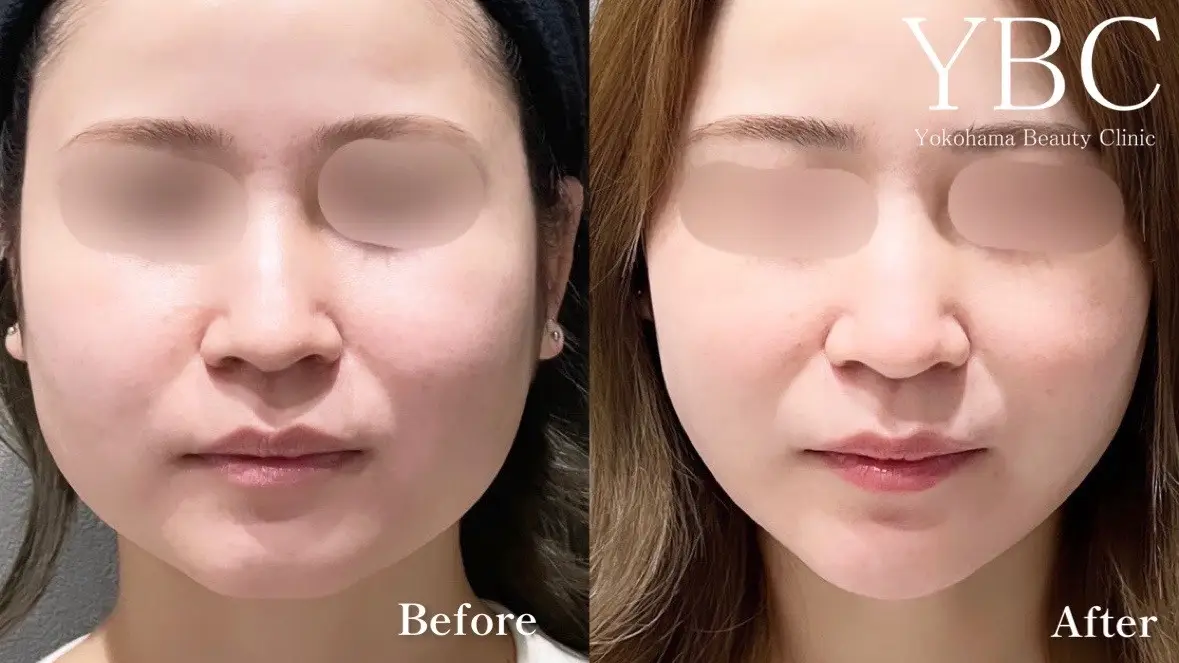
This technique, バッカルファット除去 (bakkaru fatto jokyo), removes the internal fat pad from the cheeks to slim the face and highlight the jawline — something prized in modern East-Asian facial aesthetics, which favor subtle definition and proportionality.
The goal is to remove the excess volume that creates a rounded look and to soften the features without touching the bone. The surgery takes about 30 to 60 minutes and costs around ¥357,500 (about US$ 2,600). Recovery takes roughly a week and needs follow-up to avoid asymmetries.
6. HIFU Biyou – Ultrasound-Based Lifting
The ハイフ美容 (HIFU Biyou) uses focused ultrasound to stimulate collagen production in the deeper layers of the skin, leading to firmness and facial redefinition without any cuts. The Japanese version is calibrated to deliver natural-looking results, without that "pulled" effect often seen in the West.
It is ideal for people who want a slightly firmer appearance, but without visible signs of intervention. In Tokyo clinics, a session for face and chin costs about ¥55,000 (around US$ 400), and packages of three to six sessions help maintain the skin structure gently over time.
7. LED Masuku Chiryou – LED Mask Treatment
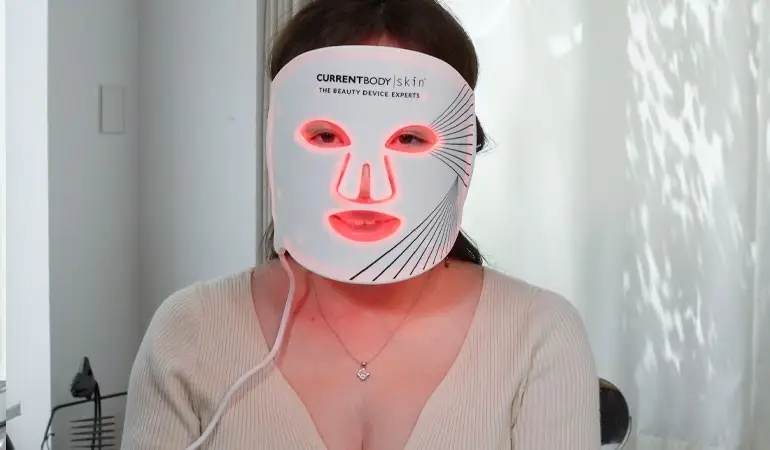
"LEDマスク治療" (LED Masuku Chiryou) is a good example of the marriage between technology and aesthetics. These masks, available in high-end Tokyo clinics, scan the face with artificial intelligence and automatically adjust the light wavelengths (red, blue, or infrared) to the skin’s needs.
It is a level of personalization that is rare in the West — and yet another sign of how Japan treats aesthetics as a precision science.
8. Chin Surgery – Chin Reshaping
The 下顎形成術 (kagaku keisei jutsu) reshapes the chin through an implant or bone repositioning (osteotomy). The goal is to balance the facial profile, creating harmony with the nose, lips, and jaw — something highly valued in the Japanese ideal of a symmetrical face.
The procedure is more invasive, requires a short hospital stay, and can cost between ¥400,000 and ¥1,150,000 (about US$ 3,000–8,500), depending on the technique. The result is a more projected or softened chin, according to need, with visible recovery over a few weeks.
9. Thread Lift – Thread Lift
Known as スレッドリフト (Sureddo rifuto), this method uses absorbable threads to lift facial tissue and redefine the lines of the cheeks, jaw, and submental area. The aim is discreet firmness, without surgery or visible scars.
It is very popular as a complement to HIFU or Botox, and in Japanese clinics, a treatment with six threads costs about ¥264,000 (around US$ 2,000), while eight threads run closer to ¥352,000 (around US$ 2,600). The effect lasts 6 to 12 months and stimulates collagen production in the treated area.
10. Japanese Head Spa – Intensive Scalp Treatment
The ritual ヘッドスパ (heddo supa) goes far beyond washing hair: it exfoliates the scalp, performs a clinical diagnosis, applies nourishing masks, and ends with a shiatsu massage. The goal is to revitalize the scalp, deeply relax, and stimulate healthy growth.
In Tokyo salons, a 90-minute session costs about ¥22,000 (around US$ 160), and sessions of up to 120 minutes can reach ¥30,000 (around US$ 220). Many clients report better hair texture, less hair loss, and a real sense of restorative well-being.
11. Shita Hakkō Terapii – Tongue Whitening with Fermentation
Yes, you read that right. There is a procedure in Japan called "舌発酵セラピー" (Shita Hakkō Terapii) that uses natural fermented enzymes to clean and whiten the tongue, promising better breath, improved oral aesthetics, and even better digestive health.
The appearance of the tongue also carries aesthetic weight in Japan. This treatment is offered in luxury spas and holistic clinics focused on comprehensive care.
12. Shiroi Hada Enzai – Skin Lightening with Natural Enzymes
Called "白い肌酵素" (Shiroi Hada Enzai), this procedure uses compounds of fermented rice enzymes, mild peroxides, and stabilized vitamin C to lighten the skin, even out the tone, and reduce spots — without aggressive chemical peels.
In Japan, the ideal of "shiroi hada" (white, translucent skin) is still very strong, but instead of invasive solutions, many people look for subtle, organic methods. The ritual involves several sessions and is often combined with lymphatic massages.
Final Considerations
The aesthetic procedures that only exist in Japan reveal much more than beauty trends. They tell stories of a people who value detail, balance, and naturalness above all. There, beauty is almost an invisible art — present in small gestures, in subtle features, in the constant attempt to refine without ever exaggerating.
And perhaps that is the biggest lesson: not everything that is "beautiful" needs to be obvious. Sometimes it lives in the smallest adjustments, which only those who share that culture can truly notice.



Community
Comments
0 comments
There are no published comments in this language yet.
Send comment