
Japan’s summer is not just “hot weather.” From roughly June through August, the real challenge is heat wrapped in heavy humidity — the kind that turns a short walk to the station into a sticky negotiation with your own clothes. Over the years, people have stacked everyday tools, seasonal customs, and a whole aisle of cooling products to get through it.
Some of those solutions are pure practicality: freeze a pillow, spray menthol on your neck, grab a portable fan. Others are quieter — the sound of a glass wind chime, water sprinkled on a sidewalk, a paper fan at a summer festival. Together they sketch a portrait of natsu that is part drugstore, part tradition.
Contents 5
Cool products from 100-yen shops and drugstores
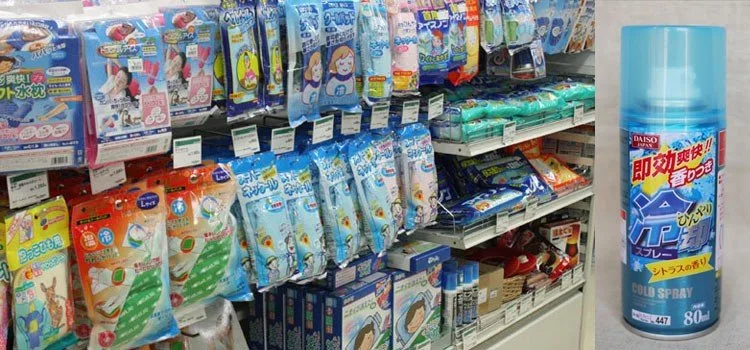
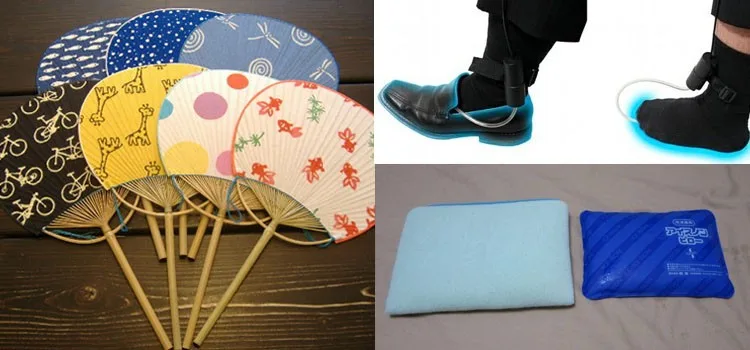
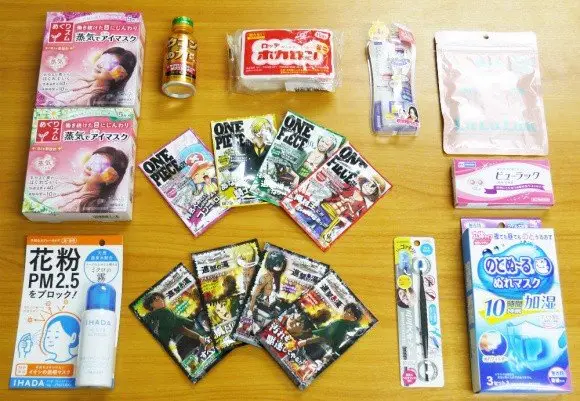
One of the most approachable inventions is the ice pillow sold in HyakuEn (100 円) stores: put it in the freezer, then use it under your head or against the neck when sleep feels impossible. Cold towels are another staple; many stay cool on the skin for about an hour, and convenience stores restock them constantly once the heat arrives.
Gels, foams, and sprays join the same family. Menthol and mint formulas create a quick “cold” sensation on skin or fabric — useful on the commute, though sensitive skin should read the label. In recent summers you will also see neck cooling rings, disposable body sheets, and battery-powered handheld fans piled high at Daiso, drugstores, Don Quijote, and electronics shops. None of them cancel humidity by magic, but they give you small, repeatable relief between air-conditioned spaces.
Fans, uchiwa, and clothes that breathe
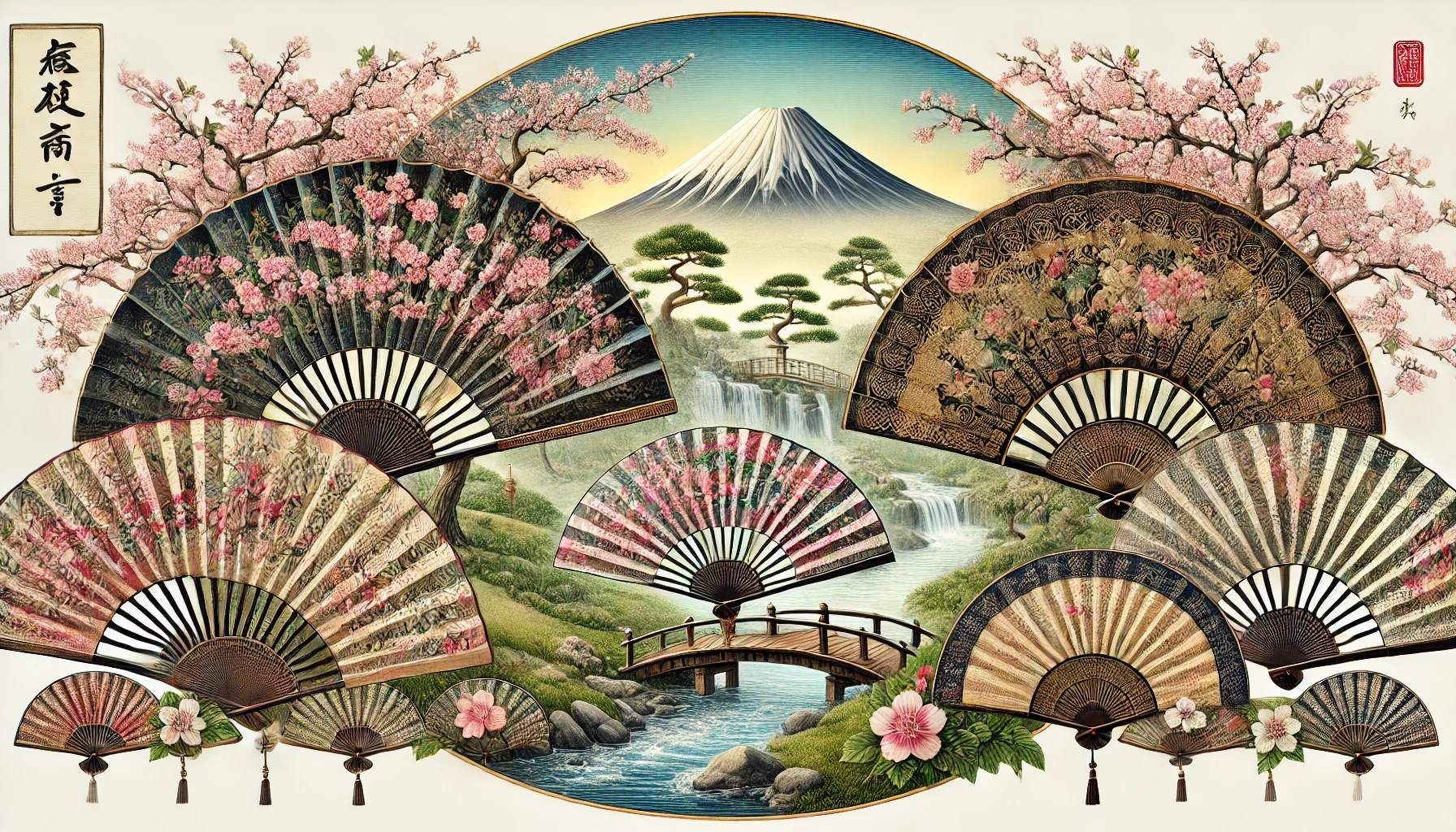
Beyond the traditional folding fan (sensu 扇子), summer brings out the uchiwa (団扇): a rigid fan with a bamboo frame and a paper face. At festivals it travels with yukata, fireworks, and street food stalls — practical and decorative at once.
Clothing choices matter as much as gadgets. Many people lean on lightweight, moisture-wicking fabrics for undershirts and daily wear; some workwear and outdoor lines even add small fans into jackets. Arm covers, parasols, and wide hats show another priority: blocking sun before the body overheats. The goal is not a fashion statement first — it is reducing the load the heat puts on you between trains, shops, and evenings outside.
Cold food and drinks that help from the inside
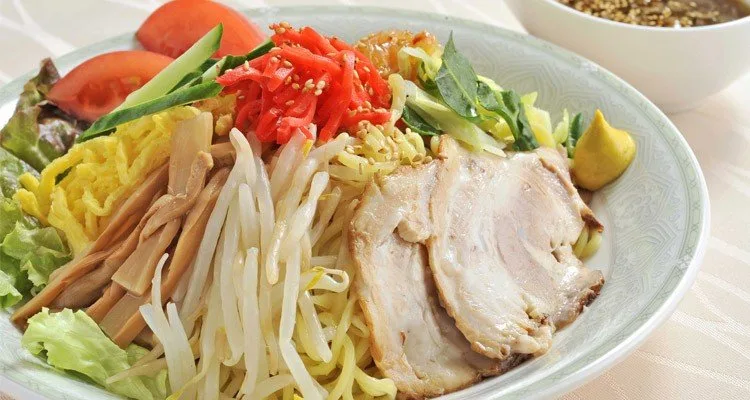
Cooling is also on the table. Cold barley tea (mugicha) appears in home jugs and convenience-store freezers; frozen bottles double as a cold pack on the forehead while they melt into something drinkable. Dishes like hiyashi chuka, somen, and other chilled noodles are seasonal comfort food rather than a “diet trick.”
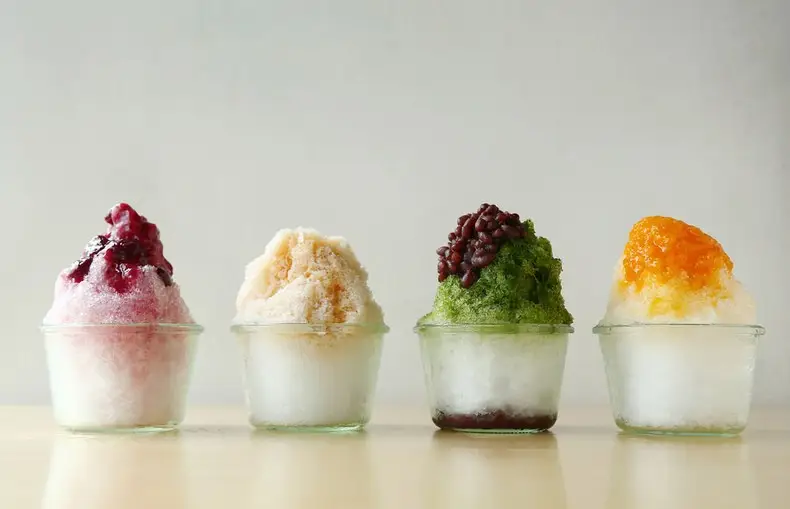
Shaved ice — kakigori — remains the festival classic, from simple syrup flavors to more elaborate toppings. Eating cold does not rewrite the weather forecast, but it changes how a long afternoon feels when AC is not always within reach.
Insects, sun, and small daily defenses
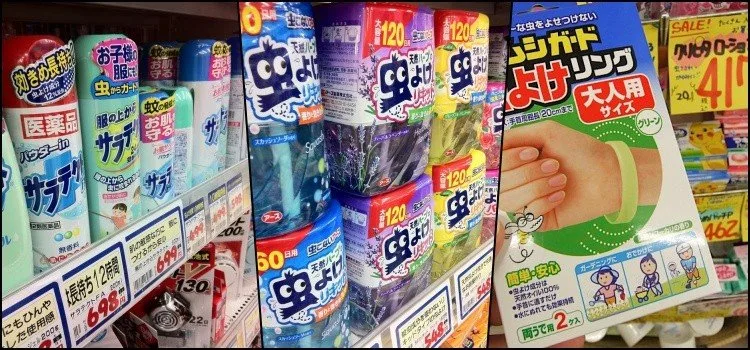
Heat is only half of summer’s pressure. Insects arrive with the season, so people still burn mosquito incense, use traditional nets where they make sense, and rely on window screens in many homes. On the sun side, full coverage is not rare: long sleeves designed for UV, gloves or arm sleeves for bike rides, and careful timing of outdoor errands when the forecast is brutal.
Parks and public fountains sometimes open splash areas for children; adults, meanwhile, treat hydration and shade as non-negotiable. The “product” here is often habit — leave earlier, rest indoors at midday, keep a towel and a drink within reach.
Uchimizu and fūrin: cool air you can hear
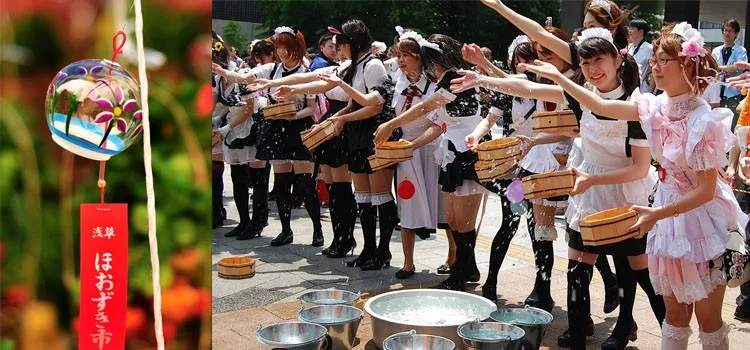
Uchimizu (打ち水) is the custom of sprinkling water on streets, entrances, and garden paths — not a water fight between people. As the water evaporates, the immediate surface cools a little, dust settles, and the gesture reads as courtesy toward neighbors as much as self-care. Campaigns in Japanese cities have revived the practice as an urban, community-minded response to heat.
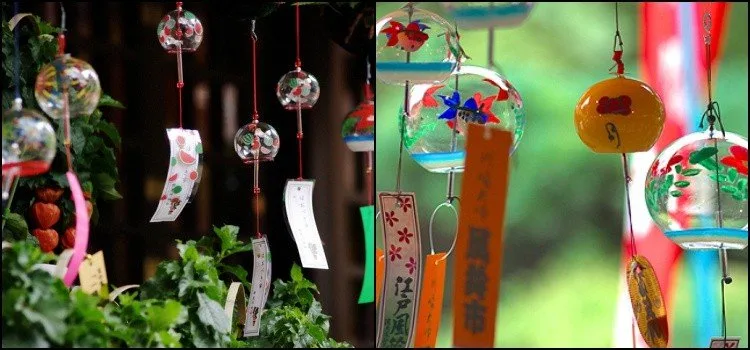
Glass wind chimes called fūrin (風鈴) hang under eaves and by open windows. They do not “predict storms” or change the thermometer; their clear tone signals moving air and has long been associated with the feeling of coolness in Japanese summer culture. If you want the fuller story of the bells themselves, start with our guide to fūrin.
Between a freezer pillow from a 100-yen shop, a menthol wipe from a drugstore, a bowl of cold noodles, and water on the pavement at dusk, Japanese summer survival is rarely one heroic trick. It is a stack of small, layered answers — some modern, some older than air conditioning — that make intense heat a little more livable day after day.

Community
Comments
0 comments
There are no published comments in this language yet.
Send comment