
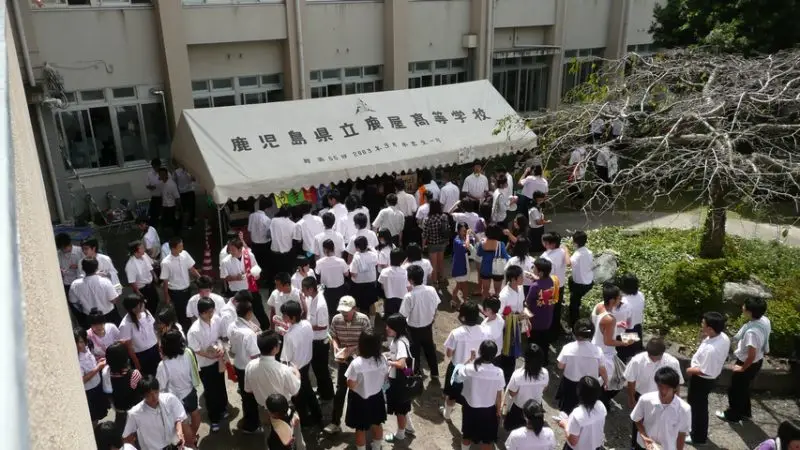
Japan’s school year begins in April, yet questions about school often arrive as soon as a family has a new address: which office should you visit, what does a public school cost, and what will a child meet on the first morning?
The Japanese public-school system has a clear structure, but enrollment is handled locally. That difference matters. Once you know where the national framework ends and your municipality takes over, the first conversation about school becomes far less intimidating.
Contents 6
The 6-3 structure of compulsory education
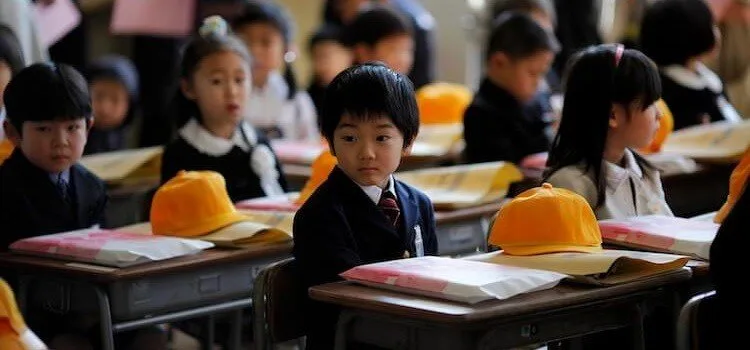
Japanese compulsory education is divided into six years of elementary school, shōgakkō (小学校), followed by three years of junior high school, chūgakkō (中学校). Children normally begin elementary school in April after their sixth birthday and continue for six years before moving to junior high for another three.
High school comes after junior high and is not part of compulsory education. It remains an important next step for many students, but admission, costs, and application procedures are different from those of local elementary and junior high schools.
For children of foreign nationality, the practical point is that public elementary and junior high schools can accept them when their parent or guardian wishes to enroll them. Requirements and guidance are handled by the municipality where the family lives, so a local Board of Education is more useful than a one-size-fits-all checklist.
The school year, classes, and daily routine
The school year runs from April to March. Some schools use two terms and others use three, so dates for breaks, ceremonies, and parent meetings can differ by municipality and school.
Lessons are built around national curriculum standards, while the timetable is arranged by each school. Children study subjects such as Japanese language, mathematics, science, social studies, physical education, music, art, and home economics as they progress through the grades. Schools also make room for class responsibilities, events, and activities that are part of the social rhythm of school life.
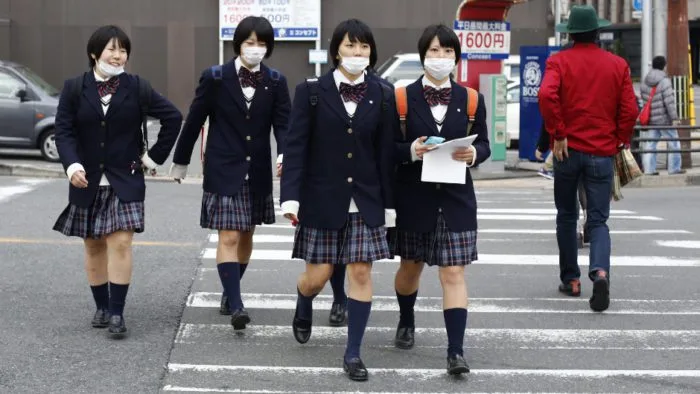
A parent will notice that school is not limited to lessons. Notices, schedules, lunch arrangements, belongings, and events often need attention at home. It is worth asking the school how it communicates with families and whether interpretation or Japanese-language support is available in your area.
How enrollment usually begins
There is no single national enrollment desk for every family. The process commonly starts with the municipality where you register your address, then moves to the local Board of Education and the assigned or recommended school. Start early when you can, but do not assume that an April arrival is the only time to ask; local procedures may also be available during the school year.
- Register your address locally. When you complete residence procedures, tell the municipal office that you want to discuss public-school enrollment for your child.
- Contact the Board of Education. The office can explain the local procedure, the school area, available support, and the next appointment.
- Confirm the school’s requirements. Ask the assigned school which records, health information, translations, or forms it needs. The exact list can differ from one municipality to another.
- Prepare for the first days. The school will normally explain supplies, uniforms or physical-education clothes where applicable, lunch arrangements, schedules, and the best contact point for guardians.
Do not choose a school solely from a general guide. School assignment and choice policies are local. A municipal office or Board of Education can tell you what applies to your address and whether there are nearby programs that support children learning Japanese.
What public school costs—and what it does not
At public elementary and junior high schools, tuition and textbooks are free. That does not mean every part of school life is free: families may still pay for items such as supplies, meals, activities, or other school-specific needs. Municipalities can also have assistance programs for households that need help with school expenses.
Ask about costs before the first day rather than relying on averages from another city. A short list from the school is more reliable and helps a family avoid buying the wrong items.
School life beyond the timetable
Japanese schools are known for routines that bring students, teachers, and families into the same rhythm. A Parent-Teacher Association (PTA) may organize activities or help with school projects, although the form of participation varies from place to place. School events also give families a way to see another side of daily life.
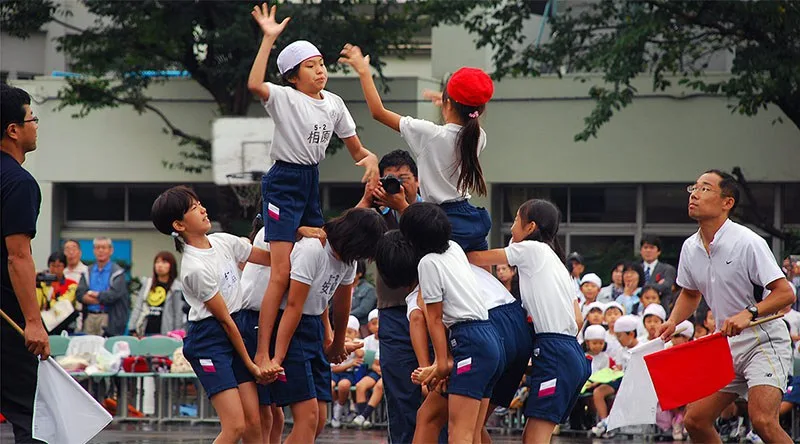
One familiar example is undōkai (運動会), often called Sports Day. It is a school event with athletic activities and team spirit, rather than a regular physical-education class. The details, schedule, and family involvement depend on the school.
Language support and a smoother start
Classes at a Japanese public school are conducted in Japanese, and support for children who are still learning the language varies by municipality. Bring this up at the first meeting. Ask whether the Board of Education, school, or a local international association can help with interpretation, translated materials, or Japanese-language learning support.
It also helps to establish one clear line of communication with the school. Ask how notices are sent, how to report an absence, and whom to contact if a form or message is difficult to understand. Small practical questions are normal at the beginning; asking them early makes it easier for a child to settle into the routine.
For a broader look at classroom customs, see our guide to what schools in Japan are like. When a school calendar mentions undōkai, our article on Japan’s Sports Day adds useful context before the event arrives.



Community
Comments
0 comments
There are no published comments in this language yet.
Send comment