
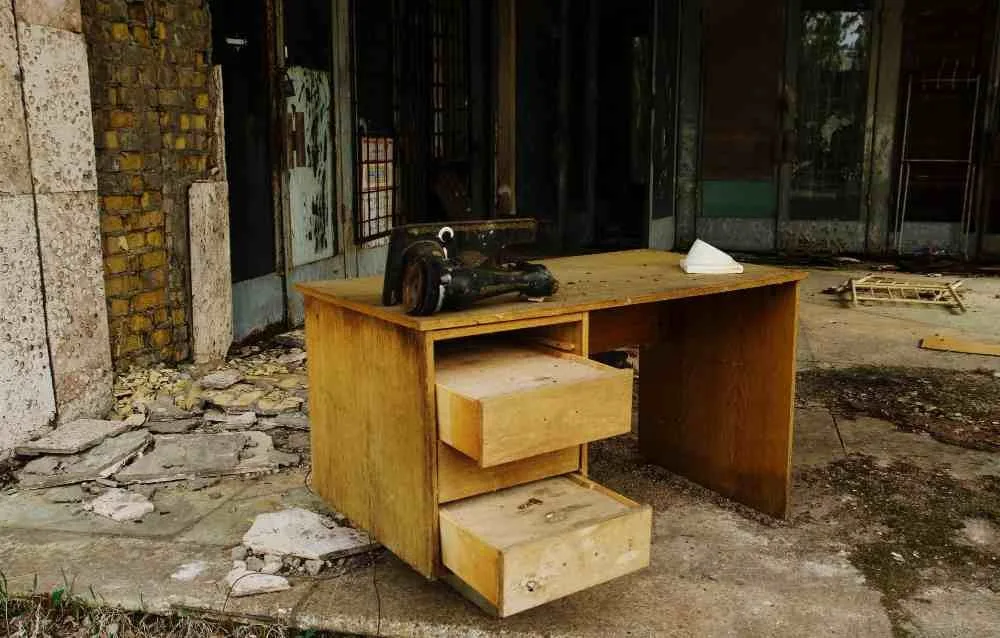
The Japanese philosophy is rich in concepts that invite us to reflect on everyday life and the way we see the world. Among them, wabi-sabi stands out as a celebration of imperfection, transience, and simplicity. Originating from Japanese aesthetics and spirituality, it teaches us to value the beauty that exists in the imperfect, the incomplete, and the ephemeral.
To understand wabi-sabi, it is important to immerse oneself in Japanese culture, where harmony with nature and acceptance of impermanence are deeply rooted. More than an aesthetic ideal, it is a philosophy of life that encourages us to accept the passage of time and find meaning even in seemingly trivial things.
Contents 10
The Origins and Meaning of Wabi-Sabi
The term wabi-sabi is composed of two distinct but complementary words. "Wabi" refers to simplicity and tranquility, often associated with solitude and spiritual connection to nature. On the other hand, "sabi" refers to the beauty that emerges with the passage of time, like the wear that gives character and history to an object.
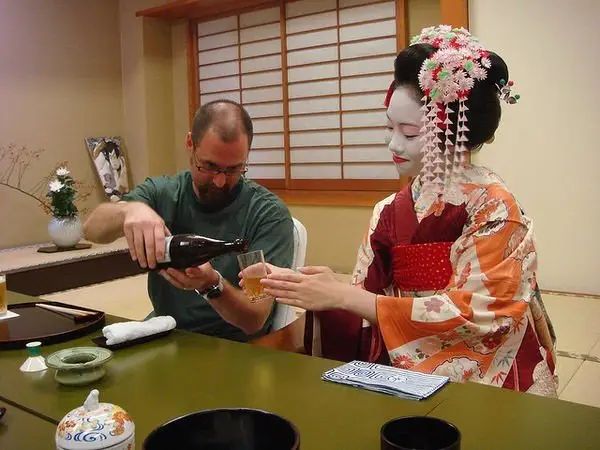
Its origin dates back to the Heian period (794–1185), but it was in the 14th century, with the influence of Zen Buddhism and the tea ceremony, that wabi-sabi began to be formally associated with aesthetics. The tea master Sen no Rikyū was one of the greatest responsible for spreading this philosophy, emphasizing the use of simple, often worn utensils as a way to appreciate what is true and essential.
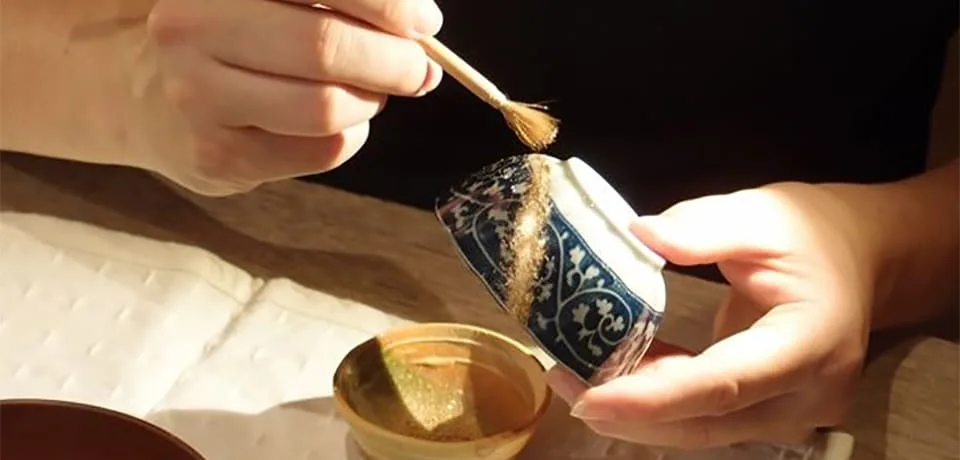
A classic example is the use of ceramics with cracks or visible marks in the tea ceremony. While in Western cultures these imperfections might be seen as flaws, in Japan they are celebrated as evidence of a lived history.

The Aesthetics of Wabi-Sabi in Practice
The application of wabi-sabi goes far beyond art and decoration — it manifests in the way we live and perceive the world. This aesthetic can be observed in various aspects of Japanese culture:
1. Architecture and Design
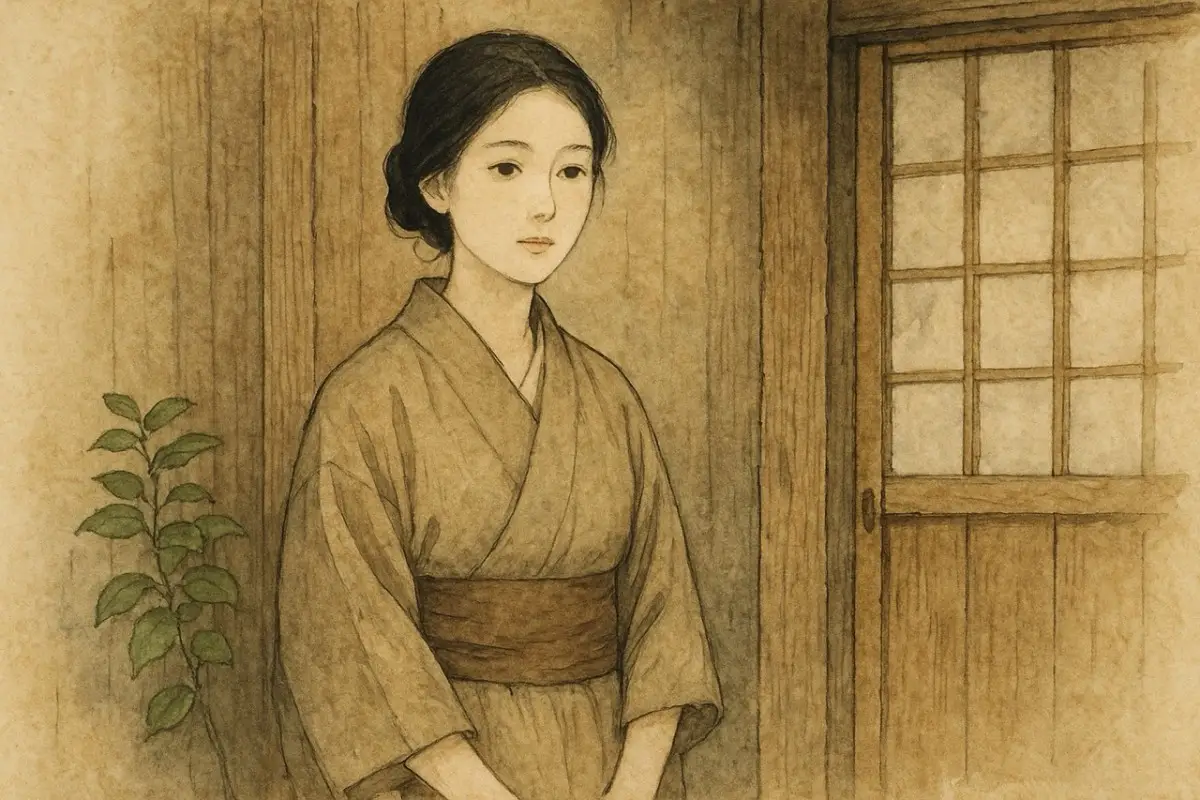
Traditional Japanese houses, made of wood, paper, and other natural materials, reflect the spirit of wabi-sabi. They do not seek perfection but rather a harmonious integration with the surrounding environment. An example is the use of tatami mats that, over time, acquire a more aged tone full of character.
2. Ceramics and Handicrafts
Techniques like kintsugi, which involves repairing broken ceramics with gold, are a perfect expression of this philosophy. Instead of hiding flaws, kintsugi highlights cracks, transforming them into part of the object's history.
3. Japanese Gardens
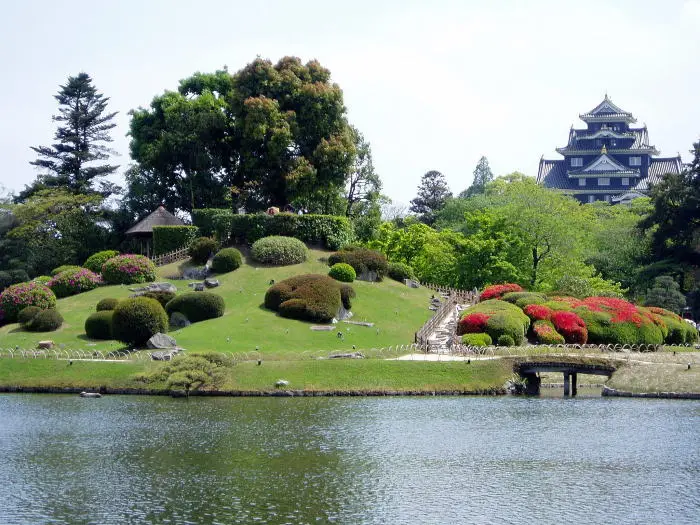
Zen gardens, with their asymmetrical and minimalist arrangements, also represent wabi-sabi. Stones, moss, and sand are arranged in a way that expresses the beauty of nature in its raw and imperfect form.
How Wabi-Sabi Can Transform Your Life
Adopting wabi-sabi in everyday life is more than a matter of aesthetics; it is a change of perspective. In a world that values perfection and speed, this philosophy offers a counterpoint, reminding us to slow down and find beauty in the details of the present.
1. Acceptance of Imperfection
Wabi-sabi teaches us to embrace our flaws and limitations, both in ourselves and in others. This can lead to more authentic relationships and a more compassionate worldview.
2. Valuing Simplicity
Simplifying life and valuing what is essential are fundamental practices. This can mean reducing excessive consumption or cultivating a more serene space at home.
3. Connection with Nature
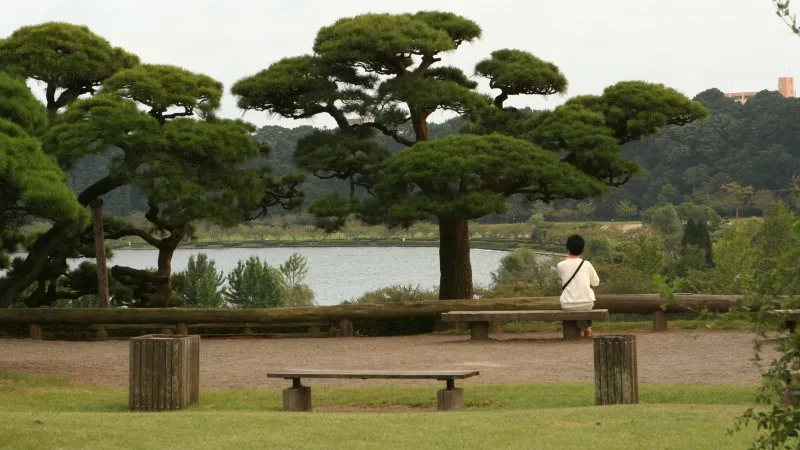
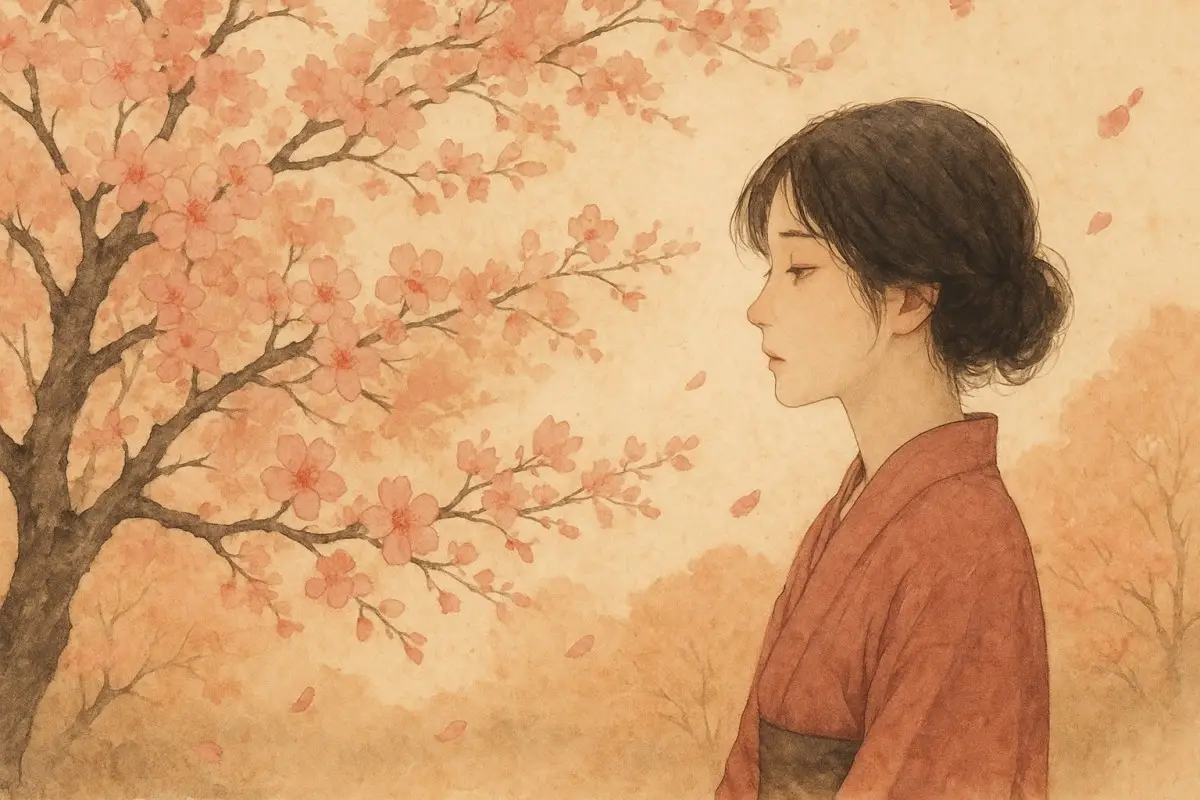
The philosophy encourages careful observation of nature, such as appreciating the falling leaves in autumn or the soft glow of a sunset. These simple experiences can bring great meaning and inner peace.
Conclusion
Wabi-sabi is not just an aesthetic but a way of living that values transience, simplicity, and acceptance. It invites us to find beauty in imperfection and the passage of time, teaching that the true value of things lies in their authenticity.
By adopting this philosophy, we can discover a new sense of harmony and gratitude, living more lightly in a world that often seems chaotic.


Community
Comments
0 comments
There are no published comments in this language yet.
Send comment