
In a society marked by constant stimuli and visual excesses, the concept of soboku (素朴) emerges as a breath of tranquility and authenticity. Of Japanese origin, this word carries a deep value: the appreciation for the simple, the natural, for what has not been artificially affected. More than an adjective, soboku represents an aesthetic and life philosophy that values honesty, simplicity, and purity in things and people.
This simplicity, however, should not be confused with something shallow or bland. On the contrary: soboku is that discreet, almost silent beauty that captivates precisely because it does not try to stand out. It is in the details, in spontaneous gestures, in the unpretentious smile. It is that feeling of comfort we experience in the presence of something genuine.
Next, we will explore the various meanings of soboku, its applications in Japanese daily life, in traditional aesthetics, and also how this idea can be incorporated into our modern lives.
Contents 6
What does Soboku (素朴) mean?
The word soboku (素朴) is composed of two kanji:
- 素 (so): means “simple,” “pure,” “raw.”
- 朴 (boku): conveys the idea of something rustic, honest, naive, or unrefined.
Together, they form a term that suggests something simple, honest, and unpretentious. In common usage of the Japanese language, soboku can describe both objects and people, always with a positive connotation.
For example:
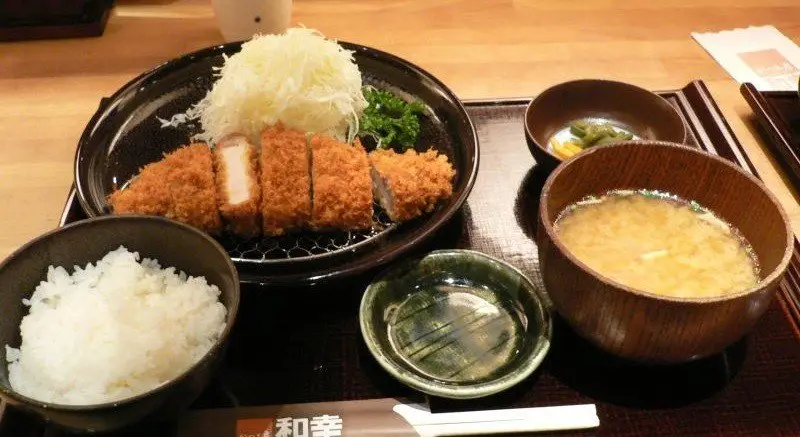
- A homemade and nutritious meal, without embellishments → soboku na ryouri (素朴な料理)
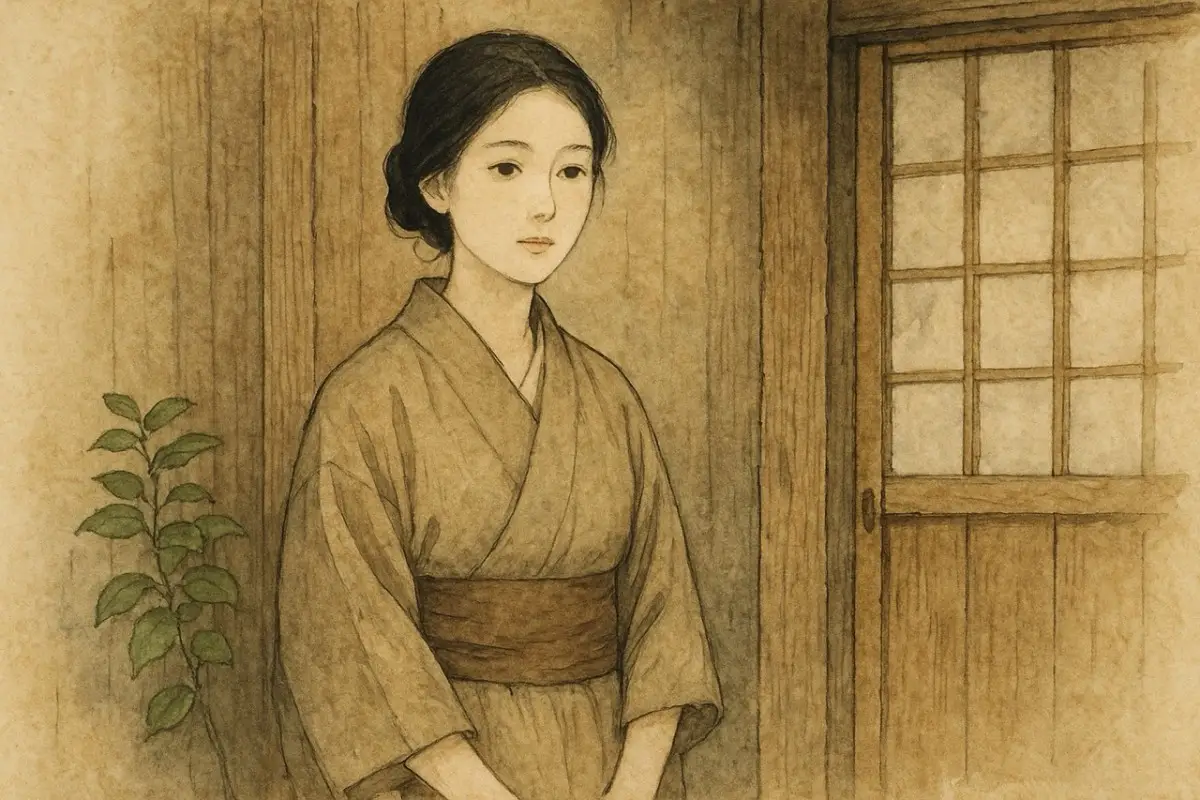
- A modest and natural way of dressing → soboku na fuku (素朴な服)
- A sincere person, without pretensions → soboku na hito (素朴な人)
This appreciation for simplicity is quite present in everyday Japanese language, but it also permeates arts, philosophy, and aesthetics — which leads us to understand why soboku is so respected within Japanese culture.
Soboku in traditional Japanese aesthetics
The concept of soboku is deeply linked to other Japanese aesthetic principles, such as wabi-sabi, which celebrates imperfection and transience, and shibui, which values subtle and discreet elegance. However, soboku stands out for its focus on the absence of artifice, on returning to essence.
This idea is easily perceived in artistic practices such as:
- Handcrafted ceramics (yakimono): pieces without excessive shine, with imperfect shapes and natural textures.
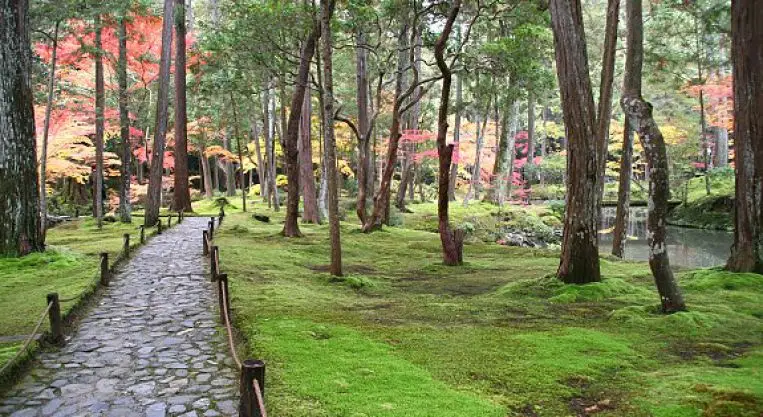
- Japanese gardens: that simulate natural landscapes in a simple and harmonious way.
- Rural architecture: wooden houses, with natural materials and functional design.
The soboku aesthetic is also widely used in contemporary Japanese design, especially in interior decoration and food presentation. A dish served in a minimalist way, but with fresh and well-combined ingredients, perfectly represents this ideal.
Soboku as a human virtue
Beyond aesthetics, soboku is a quality admired in people. An individual considered soboku is someone who lives authentically, who does not need social masks or luxuries to feel good. This person is often seen as:
- Sincere in their words and actions;
- Humble, without ostentation;
- Accessible, simple in dealing with others;
- Natural, with uncomplicated appearance and behavior.
This trait is especially valued in community settings, where coexistence is based on respect and cooperation. Often, characters in Japanese anime or films who have a soboku personality are the ones that captivate the audience the most — precisely because they are real, spontaneous, and kind.
How to apply the concept of soboku in daily life?
Incorporating the soboku philosophy into modern life can be a way to slow down and reconnect with what really matters. Here are some practical ideas for doing so:
- Simplify your surroundings: avoid excess in decoration, opt for natural materials, and keep only what is essential.
- Value handmade items: choose artisanal products that carry history and authenticity.
- Dress comfortably and lightly: without following fashion standards, but seeking clothes that reflect who you are.
- Communicate directly and honestly: without embellishments, without unnecessary formalities.
- Cook simply: basic ingredients, homemade preparation, meals with affection.
Cultural curiosity
The concept of soboku is so rooted in Japanese culture that even in the packaging design of traditional sweets (wagashi), its influence can be noted. Many of these packages have neutral colors, few visual elements, and use of handmade paper — a true celebration of the essential.
Conclusion
The term soboku (素朴) invites us to reconsider values and habits that often distance us from simplicity and authenticity. In a world that values exaggeration and performance, reclaiming the appreciation for what is natural and true can be a revolutionary act.
More than a word, soboku is a state of mind — a way of looking at the world with fewer filters and more sensitivity. By opening ourselves to this idea, we gain more clarity, presence, and connection with our own essence.
Have you thought about adopting a bit of soboku in your routine? Sometimes, beauty lies precisely in what does not try to be beautiful.






Community
Comments
0 comments
There are no published comments in this language yet.
Send comment