
Hakone (箱根) is a hot-spring area close to Tokyo. It sits in western Kanagawa, southeast of Mount Fuji, and in one place you get volcanic ground, a lake and a run of museums. I went in 2018 and set out that trip here, with the details that hold today.
Contents 9
What the area is
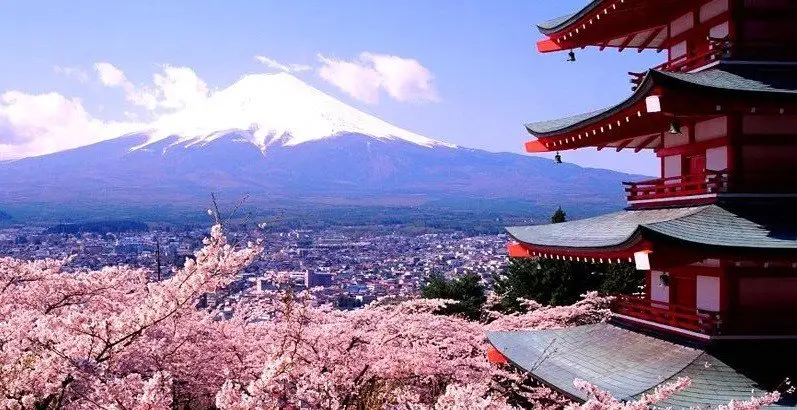
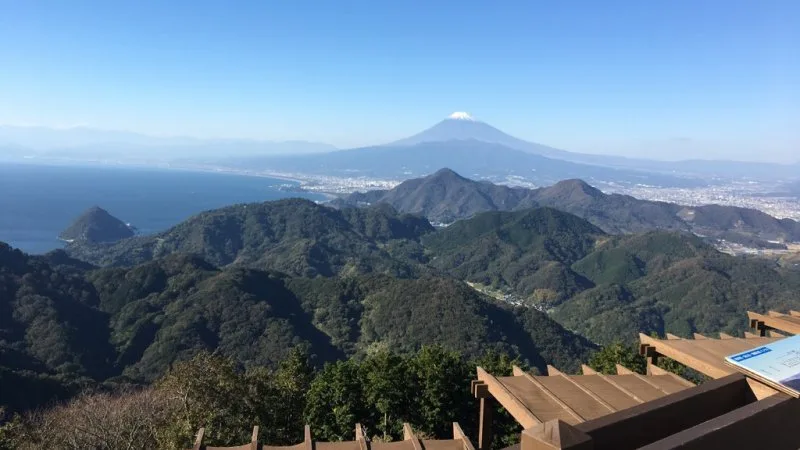
Hakone is not a single mountain but a volcanic area formed in the last eruption, roughly 3,000 years ago. Lake Ashi sits in the middle, and around it lie the sulphur vents of Owakudani, Gora and the Sengokuhara plateau. On clear days the Fuji shows up across the water.

Getting there from Tokyo
From Shinjuku the Odakyu line runs to Odawara, where you change to the Hakone Tozan Railway. In 2018 the two-day Hakone Freepass cost 4,600 yen. Today it is 7,100 yen for adults from Shinjuku. The pass covers trains, buses, the ropeway, the funicular and the sightseeing boat inside the area.
The mountain railway climbs in switchbacks. It stops to reverse direction three times, so the view keeps changing. Anyone who wants a seat takes the Romancecar for a supplement and rides it straight to Hakone-Yumoto.

Gora and the ropeway
Around the town centre, Gora Park and a few shops are within walking distance. After the park, the funicular goes up to Sounzan, and from there the ropeway crosses Owakudani to Togendai.
Owakudani
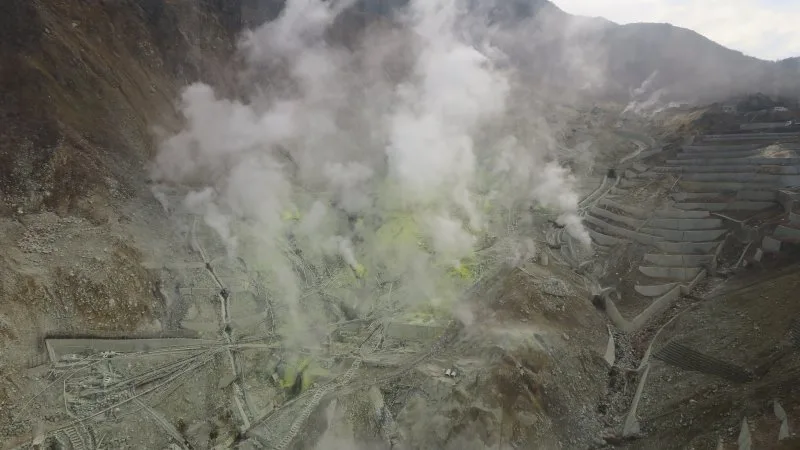
Owakudani is the largest fumarole zone of the Hakone volcano, at about 1,040 metres. White steam and the smell of sulphur fill the valley, and the rock is bare and red. The black eggs cooked there are the local curiosity. Sulphur gases can harm your health, so pregnant women and small children should not stay long, and it is worth checking the operating status before going.
Lake Ashi and Hakone Shrine
Boats in pirate style cross the lake, and the torii of Hakone Shrine stands at the water. After the ropeway, a boat to Hakone-machi works well, and the bus brings you back in the evening.

Onsen in Hakone
Hakone is known for ryokan and hot springs. Staying the night means a bath in the evening and another in the morning. Day visitors find foot baths and bathhouses. A ryokan usually includes dinner and breakfast, and the price moves a lot with season and room.

The day with the Fuji
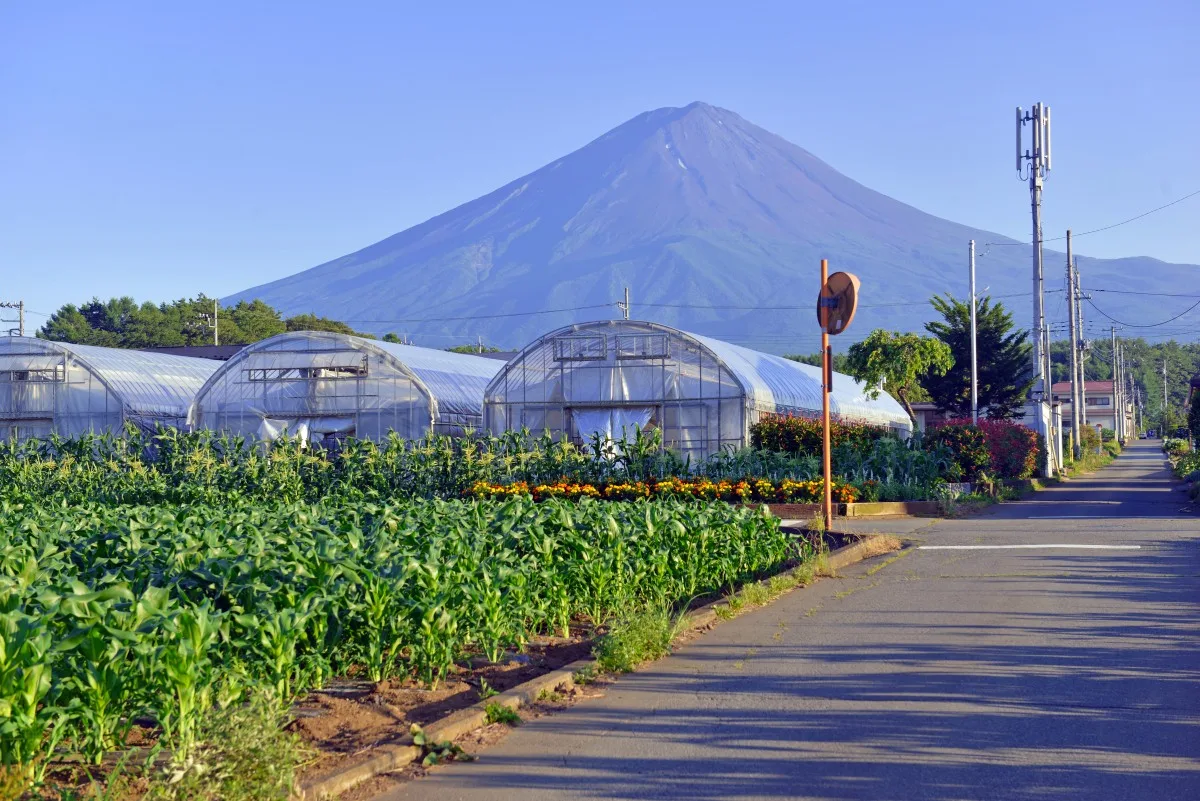
In 2018 the Fuji was not visible from Hakone that day. The cloud sat low. The next morning it stood outside the hotel window in Gotemba, and that image stayed with the trip. Mornings usually give a better view than afternoons.
Gotemba
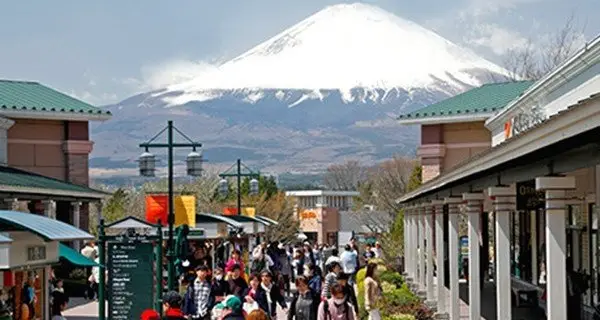
Gotemba sits beside Hakone. I stayed in a hotel opposite the station, and the town holds the Gotemba Premium Outlet: around 200 shops and 50 restaurants, with the Fuji behind. I never made it there, because I took the train back to Odawara to look for the mountain, which was the wrong call.
What else is worth it
Hakone has plenty within a short ride: the Hakone Open-Air Museum, the Pola Museum, the Okada Museum, the Narukawa Museum, the Glass Forest, Joanji temple, Odawara Castle and the botanical garden. Buses run rarely, so three stops in one day gets tight, and a car or taxi saves real time.
The text rests on the 2018 visit, with prices and opening details as of 2025. For bathing manners see onsen and hot springs, for the climb see the Mount Fuji guide and for sleeping over see ryokan with a private onsen.


Community
Comments
0 comments
There are no published comments in this language yet.
Send comment