
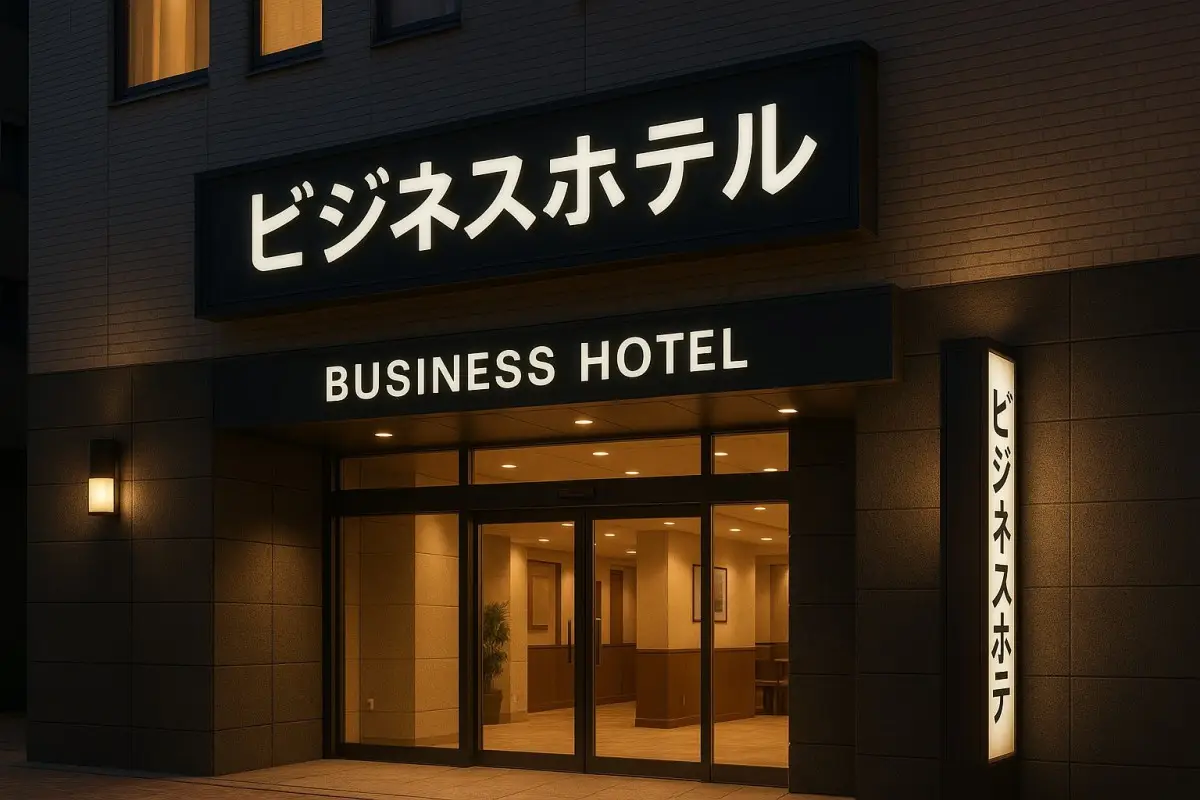
If you want to sleep cheap, clean and central in Japan, a business hotel is the default answer. The rooms are smaller than in a Western city hotel, but the system works: a station within walking distance, a bed with everything you need, and a front desk that never closes. Here are the chains travellers book most, with what actually separates them.
Contents 8
What a Japanese business hotel is
The name misleads. These hotels are not only for people on company business; they grew with the post-war economy and later became the standard for anyone who wants a functional room at a predictable price. Expect a narrow bed, a small desk, a fridge, a kettle with tea, a pyjama and a toothbrush kit. The bathroom is compact and often moulded in one piece.
The price stays predictable because the houses are standardised: same room, same routine, same equipment. Once you have slept in one branch, you know exactly what the next one will be.
APA Hotels
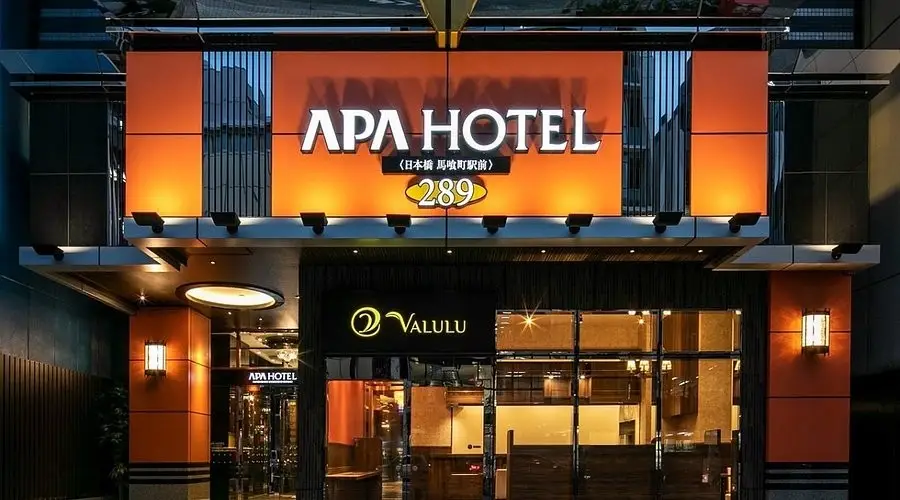
APA is the chain you see most often, and the rooms are famous for being tight. The technology makes up for it: a large screen, fast Wi-Fi, check-in at a machine. Many branches have a public bath, which after a long day is worth more than two extra square metres of floor. For cities such as Tokyo, Osaka and Kyoto, the coverage is the real advantage.
Toyoko Inn
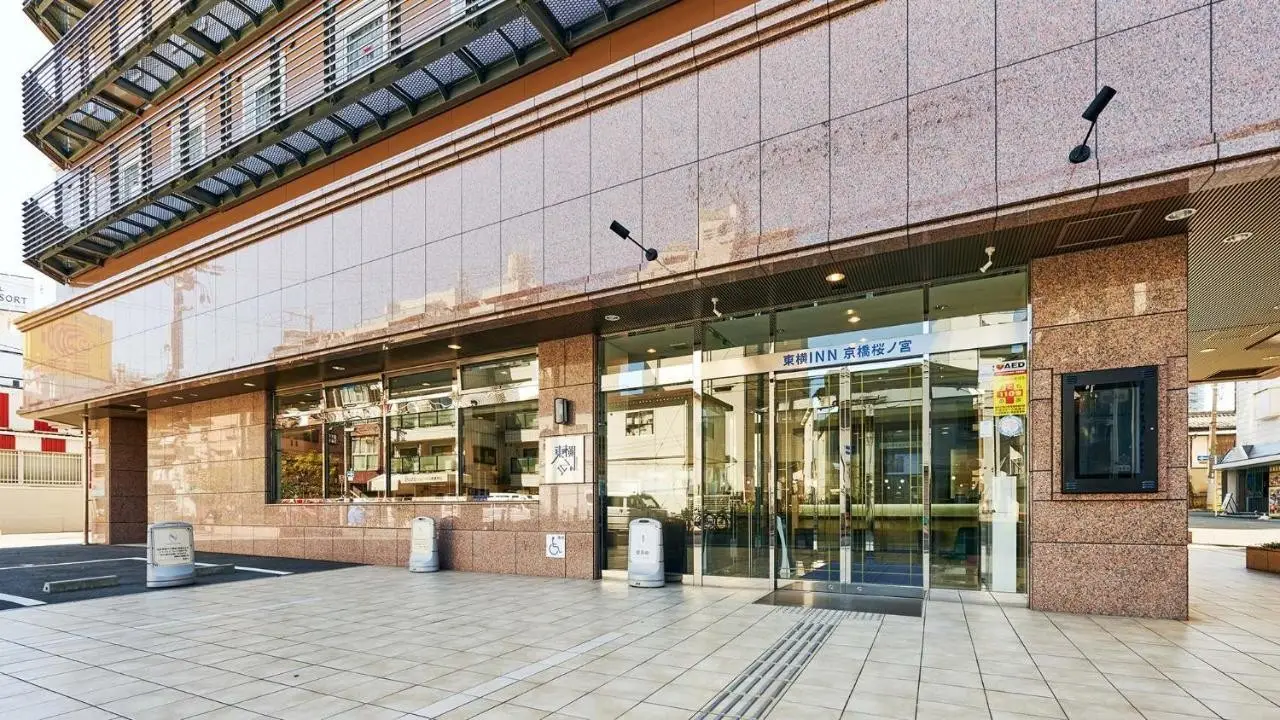
Toyoko Inn turns repetition into a promise. Rooms look the same everywhere, breakfast is simple and included, and most branches sit a few minutes on foot from a major station. If you travel by train, that saves time every morning, because the walk to the platform stays short.
Dormy Inn
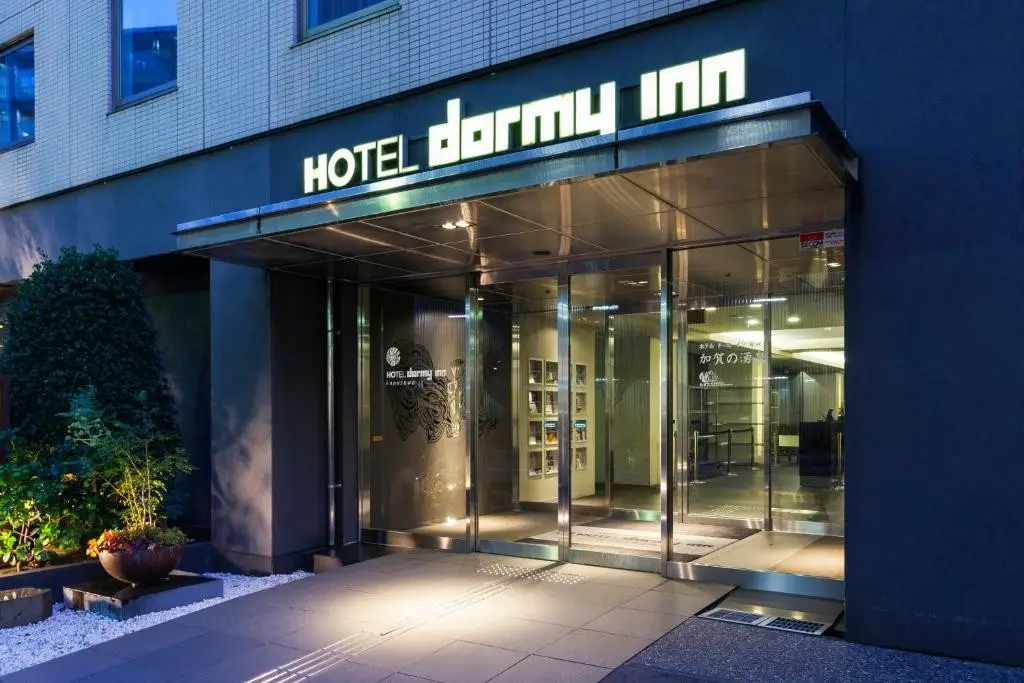
Dormy Inn is the chain for travellers who want a little more without leaving the segment. The difference is the bath: many branches have their own onsen or at least a large shared bath with a sauna. There is also a free bowl of noodles in the evening, known in Japan as yozakura soba, and a breakfast with regional dishes that goes beyond the usual standard.
Richmond Hotels
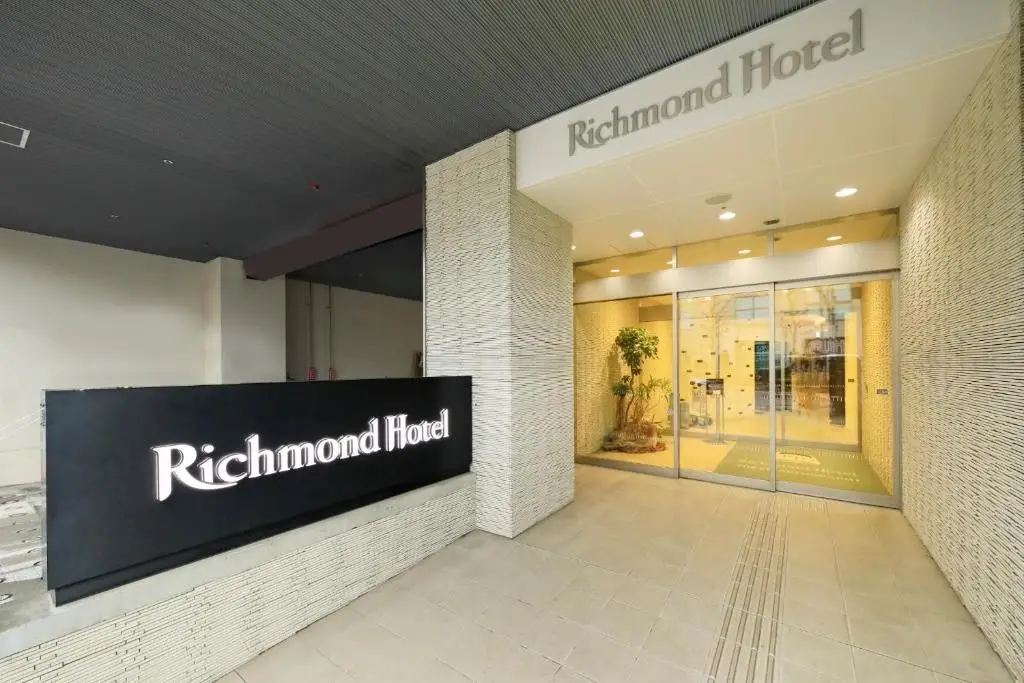
Richmond aims half a step higher: bigger rooms, better beds, restrained interiors and staff who can help in English. Breakfast usually costs extra and is more substantial for it. If you need to do laundry, many branches have a washer and dryer.
Hotel LiveMax
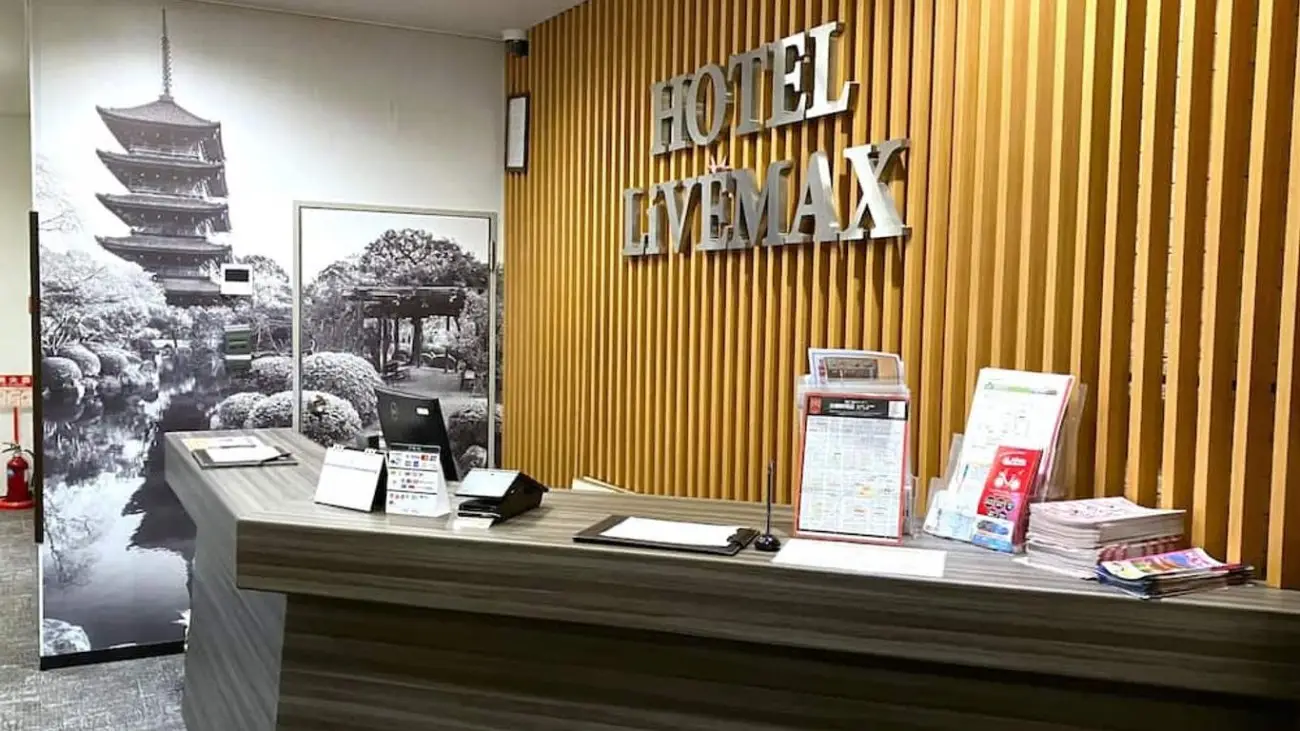
LiveMax is the cheapest of the chains listed here and appears rarely in guidebooks. Branches often sit a little outside the tourist core, rooms are plain, prices are low. For anyone who spends the day outside and needs only a bed, that is the rational choice.
What every branch has in common
Whatever the brand, the routine is the same: check-in from mid-afternoon, check-out around ten or eleven, payment at a machine or at the desk, and luggage that can wait in the lobby before or after. Arrive early and you drop the bag, then go and eat.
A second point is location. Being near the station matters more than being near the sight, because distances inside Japanese cities are long and the train is the normal way between them.
One habit helps on arrival. Japanese business hotels rarely hold the room key for you at a desk; you take it yourself, and the machine at the entrance handles the bill when you leave. Cash works, cards work, and the receipt comes out without a conversation.
Who this suits
A business hotel is the right choice when cleanliness, location and price matter more than room size and shared spaces. If you plan to work in the evening, check for a desk and a socket by the bed; if you leave early, check the walk to the station.
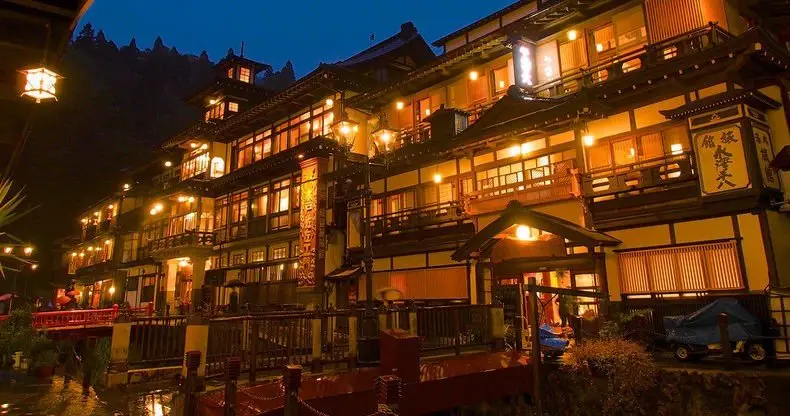
If you want space, a bath and quiet, a ryokan or a larger city hotel serves you better. Both have their price, and in Japan the difference is rarely a secret.
Keep reading on Suki Desu: onsen and hot springs and buying the JR Pass.


Community
Comments
0 comments
There are no published comments in this language yet.
Send comment