
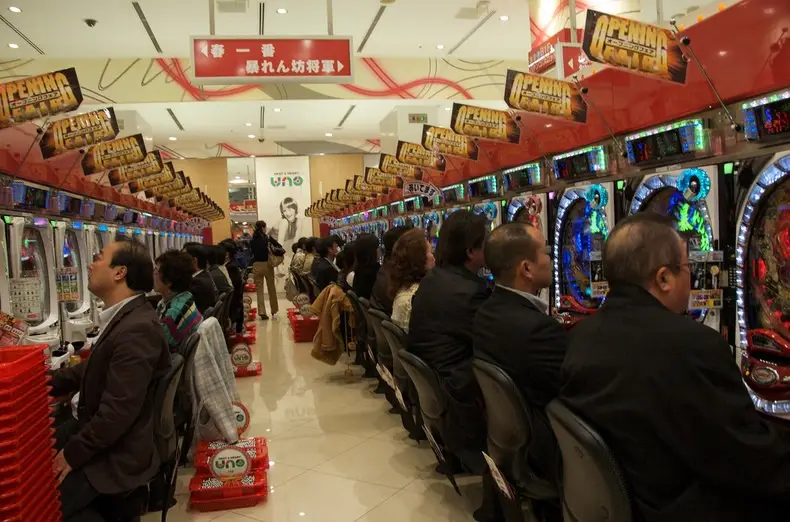
If you've ever walked through the bustling streets of Tokyo or Osaka, you've probably encountered eye-catching facades, filled with neon lights and unmistakable electronic sounds. It is there that one of Japan's most peculiar and intriguing pastimes resides: pachinko. But is it just a game of chance, or is there something more behind these metal balls and flashing machines?
In this article, we will explore the universe of pachinko in depth — its origin, functioning, social and economic impact, as well as some curiosities that make this activity unique in the world. So, are you ready to finally understand what pachinko is and why it fascinates so many people?
Contents 7
What is the Origin of Pachinko?
Few people imagine, but pachinko was inspired by Western games. In the early 20th century, mechanical toys called "Corinth Game" were quite popular in Europe and the United States. They operated with balls that, when launched, traveled random paths until reaching targets with different scores.
In Japan, these toys arrived around the 1920s and soon caught the interest of local entrepreneurs. The Japanese adaptation began in Nagoya, where the concept evolved into a more robust and vertical machine, which began to be used not only for fun but also as a form of adult entertainment.
By the 1940s and 1950s, with the post-war period and the need for economic reconstruction, pachinko spread rapidly throughout the country, becoming a cheap, accessible, and addictive pastime. Since then, it has continued to grow, becoming part of the daily life of millions of Japanese people.
After all, what is pachinko?
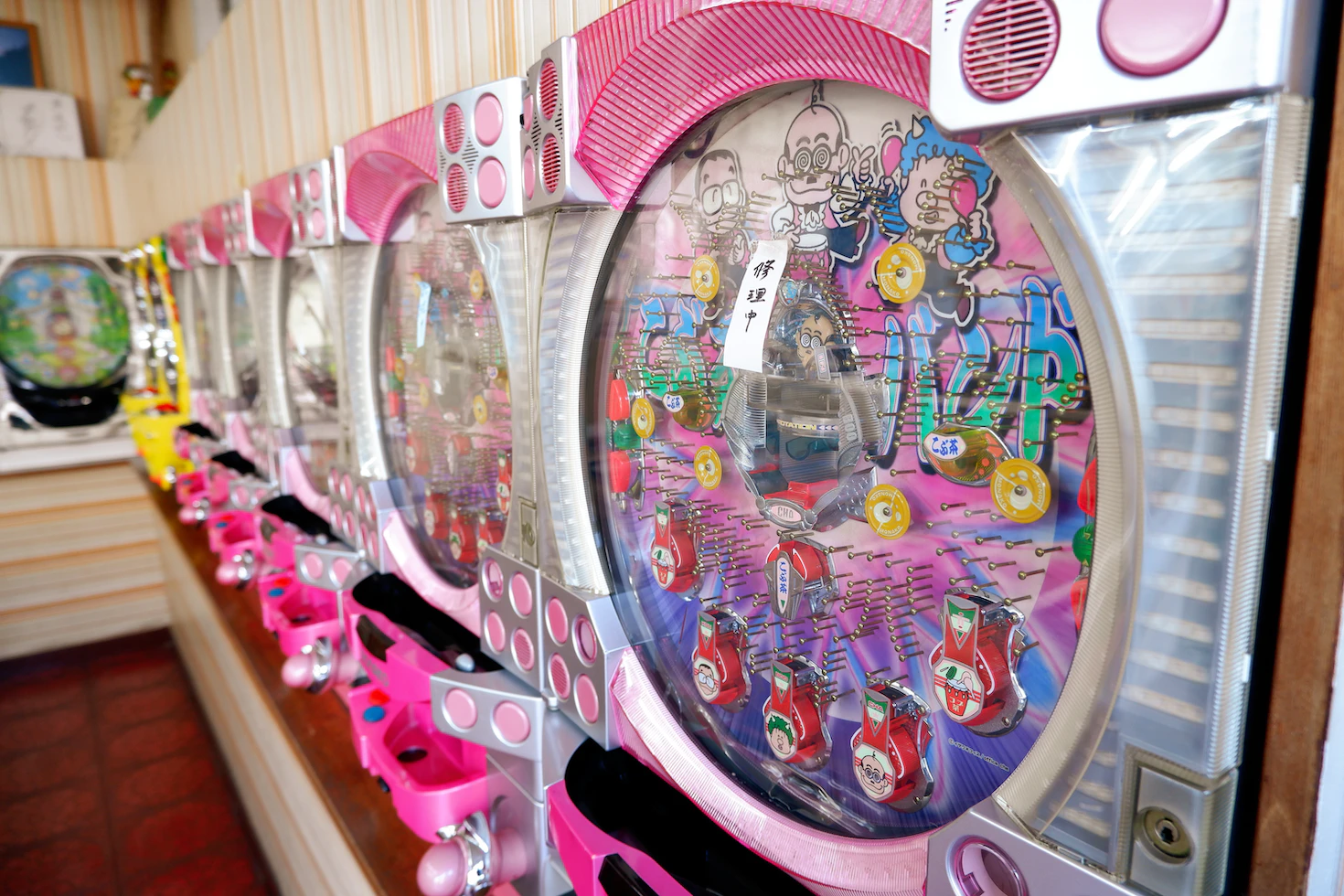
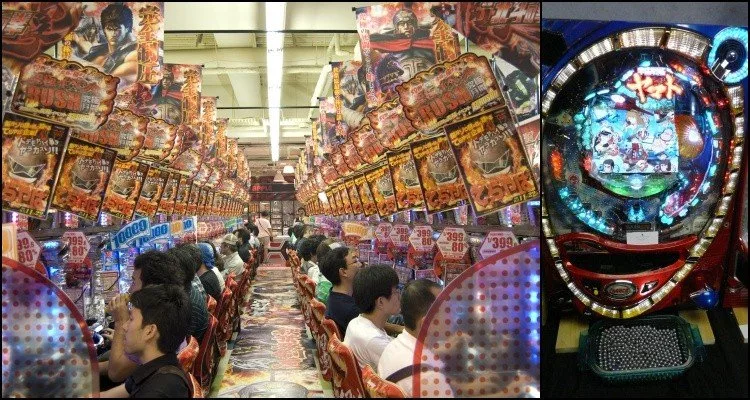
For those who have never seen it, the functioning of pachinko may seem confusing, but the logic is relatively simple. Imagine a vertical arcade machine, filled with metal nails and with a colorful screen in the center. The player inserts dozens, or even hundreds, of small steel balls and, by pulling a lever, launches these balls into the machine.
The objective? To make some of these balls fall into specific areas called "gates" or targets. By hitting these strategic points, the player activates mechanisms that can release even more balls or unlock bonus modes — often displayed on digital screens with vibrant animations.
And what are these balls for? They are the "currency" of the game. The more balls the player accumulates, the greater the possibility of exchanging them for prizes, which range from simple items like candies or lighters to higher-value items.
But be careful: due to legal restrictions in Japan, the balls cannot be exchanged directly for money within the establishment. The solution? A curious and legally accepted system, where the player exchanges the balls for a symbolic prize, which can then be sold at a separate store, often located right next to the pachinko parlor.
How to play pachinko in practice
Many people look at the machines, hear that deafening noise, and think: “I have no idea how to start.” Don’t worry, playing pachinko is easier than it seems. Here’s a straightforward step-by-step:
- Buy the balls: At the entrance of the parlor, exchange yen for a set of metal balls.
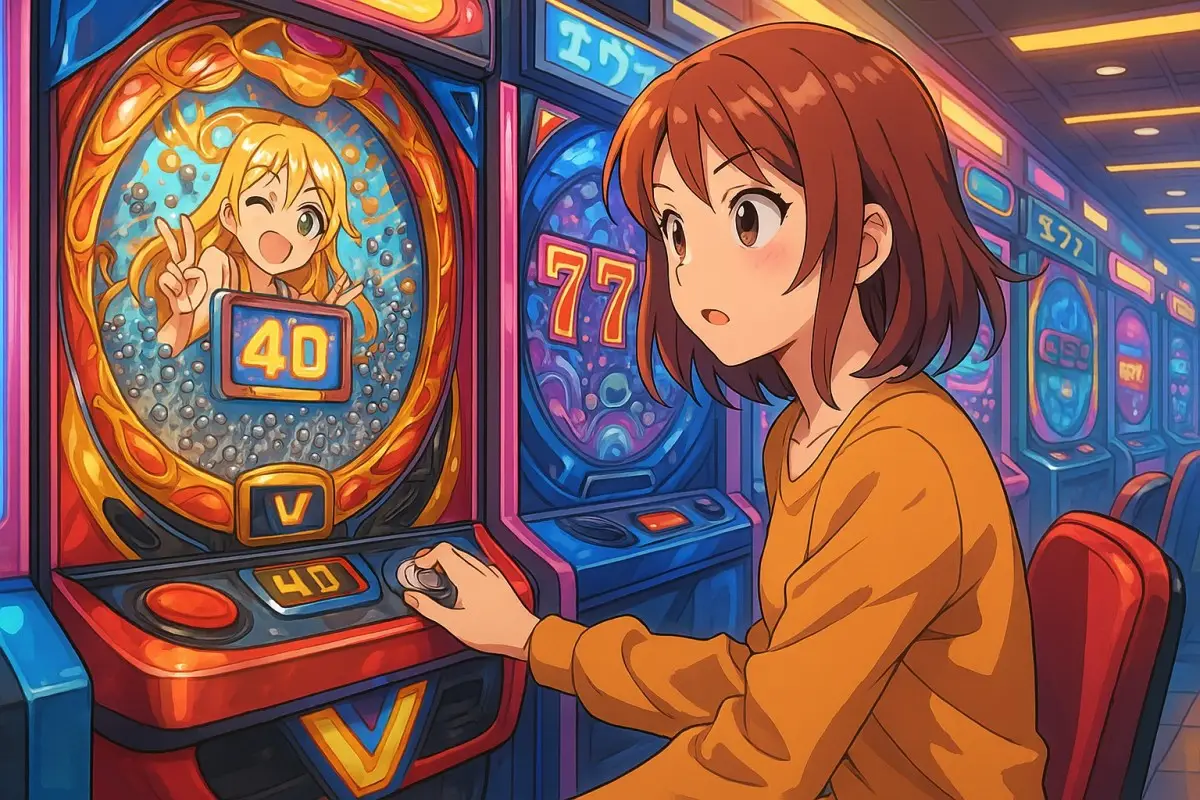
- Choose your machine: It can be one with an anime theme, samurais, or pop idols. There are options for all tastes.
- Pull the lever: By pulling, you control the force with which you launch the balls. Too weak, they fall straight down. Too strong, they may escape the course.
- Hit the “gates”: Your goal is to make the balls enter these strategic holes. Did you hit? You can win more balls or activate bonus animations.
- Exchange the balls: Finished playing? Take the accumulated balls and exchange them for prizes. Want cash? Just go to the exchange store, often discreetly located next to the parlor.
Tip: each machine has its personality. Don’t get discouraged if, on your first attempts, you lose all the balls. It’s part of the fun.
Pachinko: fun, addiction, and economy
Pachinko occupies a paradoxical space in Japanese society: while it is considered a family-friendly and accessible pastime, it also raises heated discussions about addiction and mental health.
It is estimated that there are about 10,000 pachinko parlors spread across Japan, generating an astronomical amount annually — more than the combined global revenues of Las Vegas and Macau casinos! This impressive figure shows how pachinko is not just a game, but a true industry that employs thousands of people and drives entire sectors of the economy.
However, pachinko addiction is a sensitive topic. As the game is based on variable rewards, many players end up spending more than they would like, in a relentless pursuit of that perfect sequence of winning balls. Therefore, awareness campaigns about responsible gaming have been gaining strength in recent years, with warnings inside the parlors themselves and the offer of help for those facing addiction problems.
Why does pachinko fascinate so much?
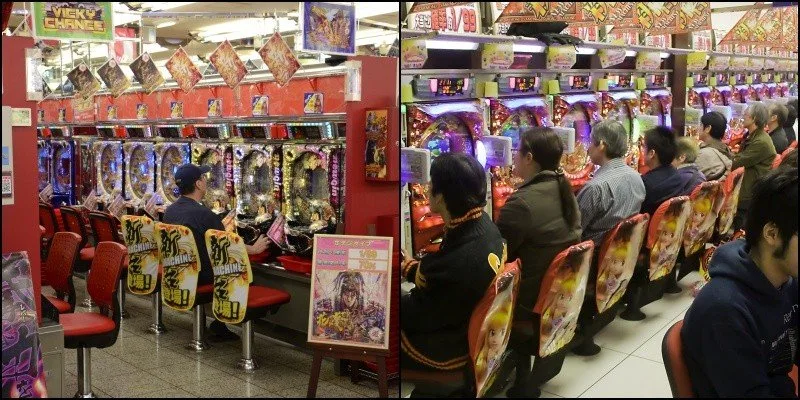
To understand the fascination, just step into any pachinko parlor: strobe lights, electronic music, animated videos, and that characteristic sound of metallic clinking. Everything is designed to stimulate the senses, creating an environment that mixes excitement and relaxation.
But that's not all. Pachinko is an escape valve for many Japanese workers, who after long hours seek a moment of distraction. In addition, the potential to win prizes creates that irresistible suspense.
Another factor? The aesthetics of the machines. Many are true works of art, with digital panels, 3D effects, and famous characters. It is not uncommon to find themed machines from series and animes like Evangelion, One Piece, or Ultraman.
The controversial side of pachinko
Of course, not everything is rosy. Pachinko generates over 200 billion dollars a year — more than Las Vegas and Macau combined! — and with that size, comes criticism.
The main problem is addiction. The repetitive nature and the constant promise of reward cause many people to develop dependency. The Japanese government, aware of this, has implemented awareness campaigns and legal limits, but the topic remains sensitive.
Additionally, there is a discussion about who really controls the pachinko parlors. Many are run by Korean entrepreneurs residing in Japan, and there are theories about some establishments' links to illicit organizations, although this is a controversial topic surrounded by myths.

The future of pachinko: crisis or reinvention?
Despite its historical success, pachinko is undergoing a moment of transformation. The younger generation is increasingly less interested in the game, preferring digital entertainments like video games and smartphone apps.
In response, the industry is heavily investing in innovation: machines with ultra-realistic graphics, augmented reality, integration with loyalty apps, and even online pachinko options.
But will it be enough? No one knows for sure. What is undeniable is that, even in crisis, pachinko remains one of the most authentic and fascinating cultural expressions of modern Japan.

Community
Comments
0 comments
There are no published comments in this language yet.
Send comment