
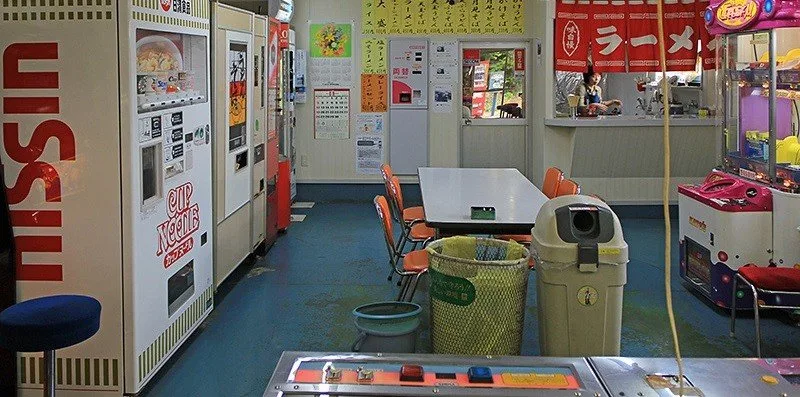
Japan is famous for its clean streets and recycling habits. Still, many visitors expect a bin on every corner—and then walk for blocks without finding one. What you usually spot are small containers for cans and bottles next to vending machines, not the free-standing public trash cans common elsewhere. That gap is not an accident.
Some people assume Japan is only saving money, that everyone is already “conscious,” or that bins simply look ugly. Those guesses miss the harder mix of history, security, daily habits, and who actually owns the few bins that remain.
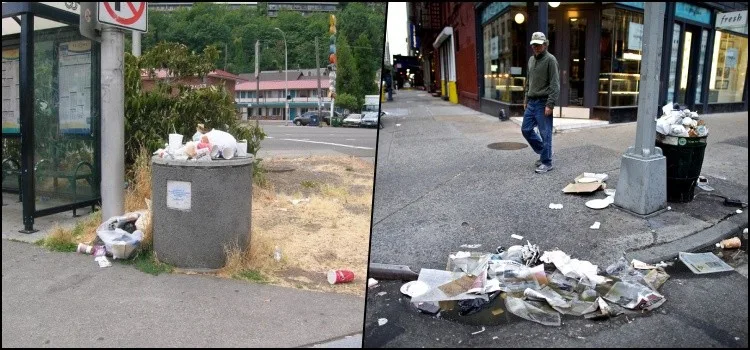
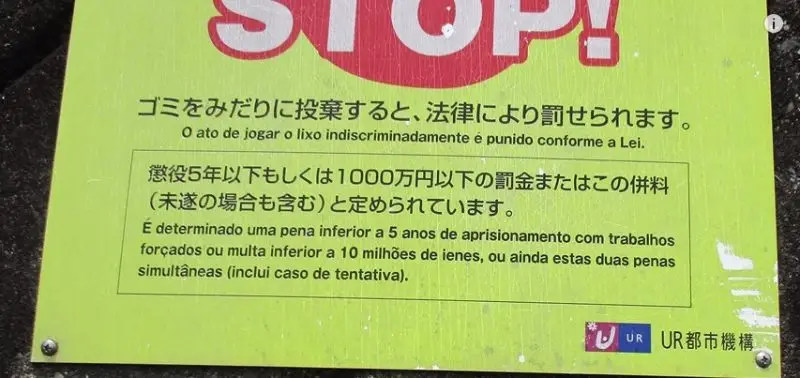
People tend to throw trash where trash already is. When Japan still had many public bins scattered around cities, they filled fast, were hard to empty on schedule, and spilled on windy days. Overflow and loose bags made streets messier, not cleaner. Today almost no free-standing public bins remain; most receptacles you find belong to a convenience store, a market, or another private business.
How did public trash cans disappear?
Labor and cleanliness were already arguments against unsupervised public bins. The decisive shock came on March 20, 1995, when members of the cult Aum Shinrikyo released sarin gas on Tokyo subway trains during morning rush hour. Plastic bags wrapped in newspaper were punctured with umbrella tips; more than a dozen people died and thousands were injured. The country froze under the fear of further attacks.
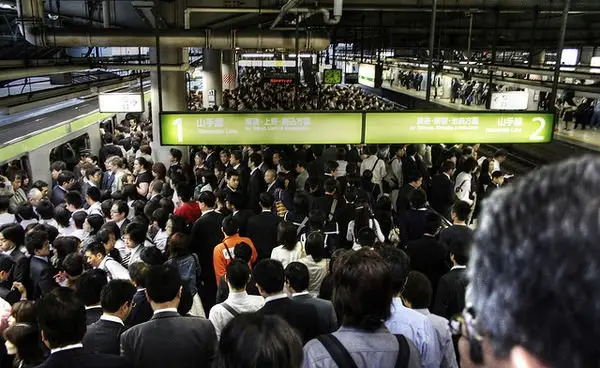
One security response was to remove trash cans from stations and other crowded places so they could not hide weapons or devices. London had taken similar steps after earlier bombings. Many Japanese cities kept the leaner model: where bins still appear in stations, they often use clear bags so staff can see the contents. Other reasons also locked the change in place—cost of maintenance, strict household sorting, and a social habit of taking packaging home instead of dumping it outside.
That is why bins did not simply “come back” once the panic faded. Private businesses manage their own waste; households follow local collection calendars; and carrying a small bag for wrappers became normal rather than exceptional. The 1995 attack explains the sharp cut; culture and logistics explain why the empty sidewalks stayed empty.
Where to dispose of trash in Japan?
At home, every city and neighborhood has its own schedule for burnable waste, plastics, cans, and the rest—that part is local, not national. On the street, the practical map is different. Convenience stores, restaurants, and shops may have bins inside or near the entrance, usually sorted for burnable trash and recyclables. Vending machines for drinks almost always have a nearby slot for empty bottles and cans.
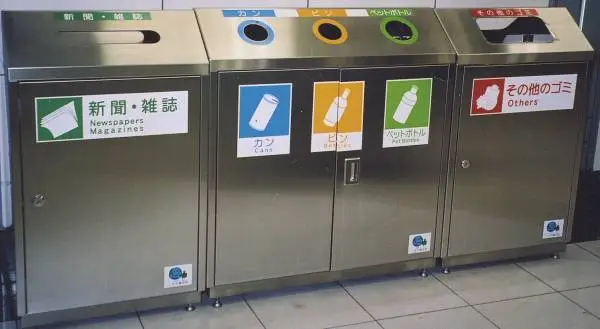
A useful etiquette note for visitors: store bins are meant for packaging from items bought there, not for a day’s worth of outside litter. When you cannot find a bin, the reliable option is to keep the trash until your hotel or home. Even many smokers carry a portable ashtray so cigarette butts do not end up on the pavement. That same dedication to cleanliness is why public bins feel optional rather than essential—fewer unsupervised cans, less overflow, and a culture that treats street litter as everyone’s problem.
So the puzzle resolves in two layers. Japan did not stay clean because every corner has a bin; it stayed clean because people plan disposal, businesses control their own waste, and public space is treated as shared. Once you know that, a missing trash can stops looking like a flaw and starts looking like a rule you can follow.



Community
Comments
0 comments
There are no published comments in this language yet.
Send comment