

The modern anime and manga use a complex symbolic system based on the realities of everyday life in modern Japan and on ancient legends, beliefs, and traditions. Karen J. Frost, an experienced essay writer from Essayup.com, addressed this issue.
Table of Contents
Character Appearance
The main characteristic that distinguishes manga and anime from their Western counterparts is the developed symbolic and graphic language, allowing some brushstrokes to convey quite complex emotions or express the character’s personality. In this way, anime and manga approach medieval painting and sculpture, where each element of the image had its specific meaning. For example, Buddha was often depicted with a large belly to signify that he had achieved Absolute Happiness. Or, in Russian iconography, the martyr saints were portrayed wearing red boots as a symbol of the blood they had shed.
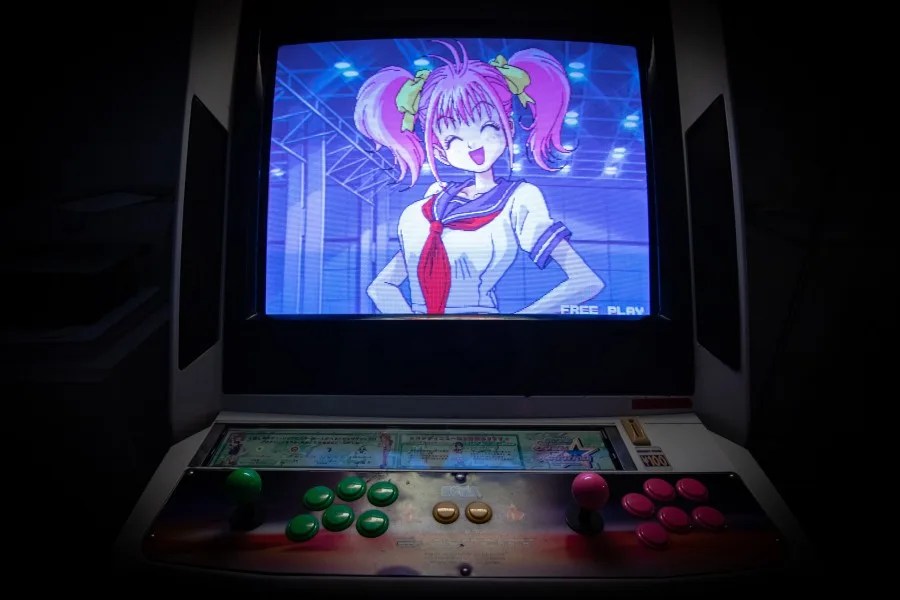
In anime and manga, of course, not everything is so complicated, but there are also many nuances, let’s say:
The hair color usually indicates the hero’s character: redheads are temperamental, whites are calm, and blacks are something in between.
The size of the eyes and the degree of their brightness show the degree of the hero’s youth, their openness to the world.
The small cartoonish images (Tibi) of the heroes are a sign that the hero is behaving childishly.
Sometimes, heroes faint if hit in the center.
Characters have very important clothing, especially in fantasy. They can anticipate the character’s occupation.
Character Blood Type
In Japan, there is a common belief that a person’s blood type determines their character. Here is something about that:
In blood type A, they prefer harmony and order, work well with people, are sensitive, patient, and benevolent. But at the same time stubborn and unable to relax.
Blood type B – seeks leadership, gets what they want, knows how to choose promising paths, believes in their emotional strength. But they are jealous, demanding, and emotional.
Blood type AB is clearly individualistic. Inclined to do things their way, but not masking as a conformist. A beautiful imagination and desire for independence.
Blood type O is calm, balanced, friendly, and fun. Attracts people, but can sometimes be abrupt.
Different Objects and Their Use
The fan dance is a traditional victory dance of the samurai. Often used to cheer on fighters.
A white headband (hachimaki) – a symbol of total concentration on the cause.
A statue of a cat with one paw raised – a symbol of good luck. Often found in front of temples or Shinto houses.
A facial gauze mask – used to combat flu and colds. Sometimes for camouflage.
The bandage on the abdomen – in traditional medicine, keeping the abdomen warm is considered very important for health.
A piece of cloth tied as a headscarf and tied under the chin is a disguise for a thief.
Boxed food (bento) – special food for those eating outside the home. Sold in stores or prepared by wives, mothers, etc.
Small bells with paper signs (furin) – usually hung outside to ring in the wind. Quotes from classic poems are written on paper plates attached to them.
Handkerchiefs – never used in decent society to blow the nose, only to wipe sweat and hands.
Spraying with water (misogi) is a classic way to cleanse objects and homes of evil spirits. There is also the custom of spraying the house gates every night and every morning.
Ink (Sumi) – usually carries dry ink, which is diluted in water if necessary.
Red thread – the thread of destiny. A sign that the destinies of the two characters are inextricably linked.
Numbers – Like in Europe, in Japan they believe in the magic of numbers. Especially unlucky are considered 4 and 9; all even numbers are unlucky. The happiest number is 5.
Character Actions
Involuntary sneezes – someone is thinking about the character at that moment.
Fire flames or violent waves appear around the character – the character is furious or angry.
A slight flickering halo around the character – the character is standing in the rain.
Tears streaming from their eyes – a laughing trick, the character is crying bitterly, but you shouldn’t take the reason for their crying seriously.
A drop of sweat on the nape – the character is nervous or scared.
Falling unexpectedly – a reaction to something stupid said by someone.
Muttering or scribbling martial arts moves on the screen – how else to find out what is happening? ^ _ ^
Nosebleed – a confused youthful reaction to a sex scene or a naked girl.
A violent reaction to a facial cut – in Japan, the phrase “you have very beautiful facial skin” is one of the strongest compliments. Therefore, attention to facial beauty is very high.
Cutting hair is a sign of the character’s renunciation of their current life. They then “die” to their old circle of companionship and embark on a wandering journey to not return.
Bowing – there are usually two types of bowing in Japan – official (45°) and daily (15°). The eyes should look at the ground while bowing.
Leave a Reply