
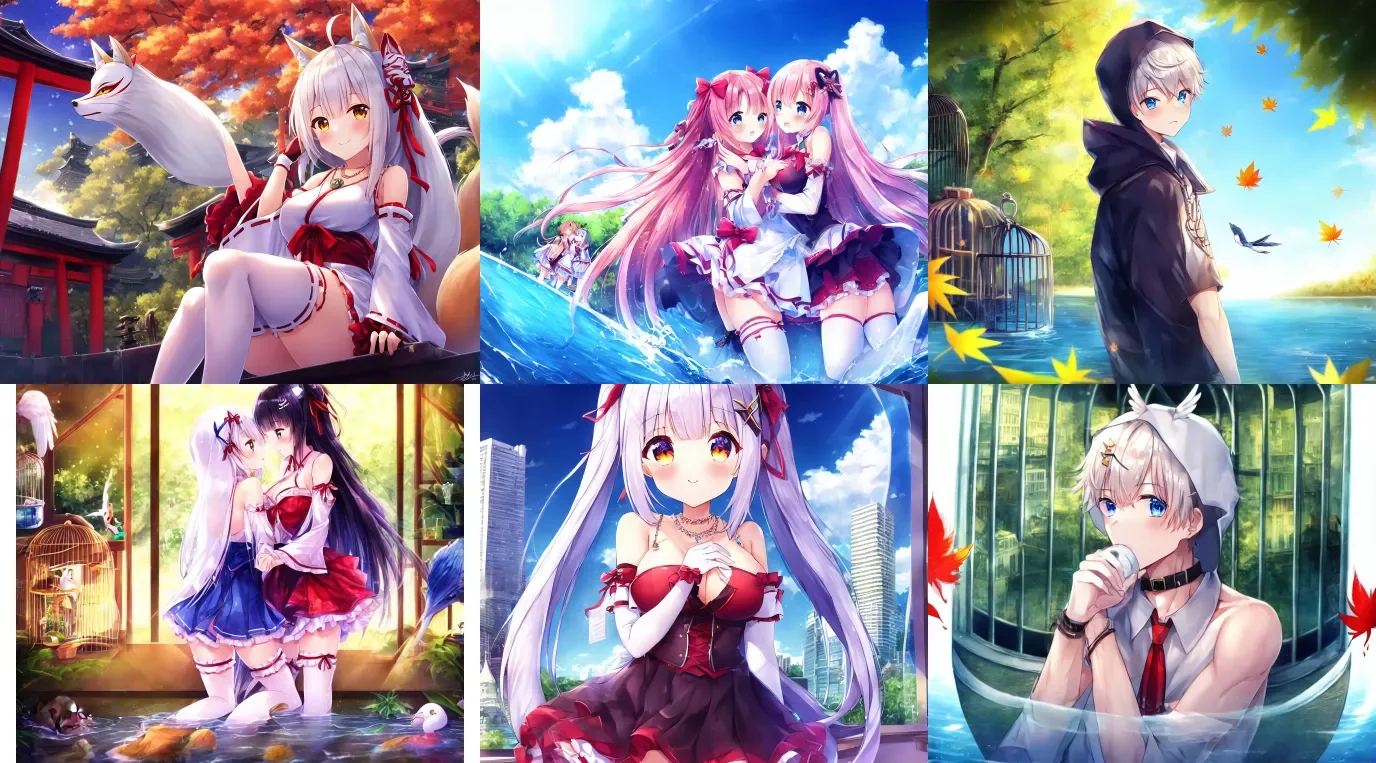
Anime and manga are two pillars of Japanese pop culture, often telling the same stories but delivering them in very different ways. New fans sometimes treat them as interchangeable, while long-time followers know that choosing anime or manga can completely change how a story feels. To really appreciate both formats, it’s important to understand how they differ in structure, storytelling, and fan experience.
Both anime and manga originate in Japan, but their global audiences have grown through different consumption habits — especially online. Today, discussions about binge-watching anime, reading manga scans, and managing screen time often overlap with broader digital leisure topics. In fan communities, it’s not unusual to see unrelated platforms like Lemon Casino mentioned casually alongside streaming services or gaming as part of wider online entertainment conversations, even though they have nothing to do with anime or manga themselves.
Table of Contents
What Is Manga?
Manga is Japanese comic art, typically published in black and white and read from right to left. It appears in magazines, weekly or monthly volumes, and later as collected books (tankōbon). Manga often serves as the original source material for anime adaptations.
Key characteristics of manga:
- Static artwork with full control over pacing
- Direct author involvement throughout the story
- Often more detailed or complete narratives
Because manga is less expensive to produce, creators can explore niche themes, long story arcs, and experimental ideas more freely. Many series that never receive an anime adaptation still gain massive followings through manga alone.
What Is Anime?
Anime is animated storytelling created for television, streaming platforms, or cinema. It brings manga (or original scripts) to life through motion, voice acting, music, and color.
Anime stands out for:
- Visual motion and dynamic action scenes
- Voice actors who define character identity
- Soundtracks that shape emotional impact
Anime adaptations are often produced by studios under tight schedules and budgets. This can lead to changes in pacing, filler episodes, or alternative endings when the source manga is unfinished.
Core Differences at a Glance
| Aspect | Manga | Anime |
| Format | Printed / digital comics | Animated video |
| Color | Mostly black and white | Full color |
| Pacing | Reader-controlled | Fixed by episode length |
| Production cost | Relatively low | High |
| Availability | Often earlier | Usually adapted later |
These differences explain why many fans prefer one format over the other — or enjoy both for different reasons.
Story Depth and Adaptation Choices
One of the biggest debates among fans is whether manga or anime tells the “true” version of a story. Manga usually reflects the creator’s original vision more closely, while anime introduces interpretation by directors, studios, and producers.
Common adaptation changes include:
- Condensed or skipped story arcs
- Anime-original filler episodes
- Altered character development
For some fans, this makes manga feel more authentic. For others, anime enhances the story by adding emotional layers through music and performance.
Accessibility and Global Reach
Anime has a broader mainstream reach worldwide, thanks to streaming platforms and dubbing. Manga, while globally popular, still requires more effort from new readers due to reading direction and format.
In online fan discussions, anime is often the entry point. Manga becomes the deeper dive — where fans explore original details, alternative scenes, or future plotlines not yet animated.
These digital conversations sometimes branch into unrelated leisure topics as well. For example, fans chatting online about binge-watching habits or late-night anime sessions may casually reference platforms in broader discussions about online entertainment, even though such services are unrelated to anime or manga themselves.
Time Commitment and Consumption Style
Manga allows flexible consumption. A reader can pause, reread panels, or move quickly through chapters. Anime requires dedicated viewing time and attention to audiovisual flow.
This leads to different fan habits:
- Manga readers often stay ahead of the story
- Anime-only fans experience suspense more slowly
- Mixed fans compare scenes across formats
Neither approach is better — they simply offer different rhythms of engagement.
Creative Expression and Art Style
Manga art emphasizes composition, panel flow, and symbolic imagery. Artists use visual shortcuts, exaggerated expressions, and dramatic layouts to convey motion without animation.
Anime relies on:
- Animation quality and frame consistency
- Color design and lighting
- Music and sound effects
Some scenes work better on paper, others on screen. Iconic manga panels don’t always translate perfectly into animation, while certain anime-only moments become legendary thanks to music and timing.
Which Should You Choose?
The choice between anime and manga depends on what you value most.
Manga may be better if you prefer:
- Original, uncensored storytelling
- Faster or self-paced reading
- Deeper narrative detail
Anime may be better if you enjoy:
- Visual spectacle and action
- Voice acting and music
- Shared viewing experiences
Many fans eventually consume both, using anime for immersion and manga for depth.
Conclusion
Anime and manga are not rivals — they are complementary forms of storytelling. Manga offers intimacy, control, and originality, while anime delivers motion, sound, and collective excitement. Understanding their differences helps fans appreciate why the same story can feel richer, darker, slower, or more emotional depending on the format.
Whether you start with a screen or a page, both anime and manga represent different ways of experiencing creativity from Japan — and both continue to shape global pop culture in powerful, interconnected ways.

Leave a Reply