
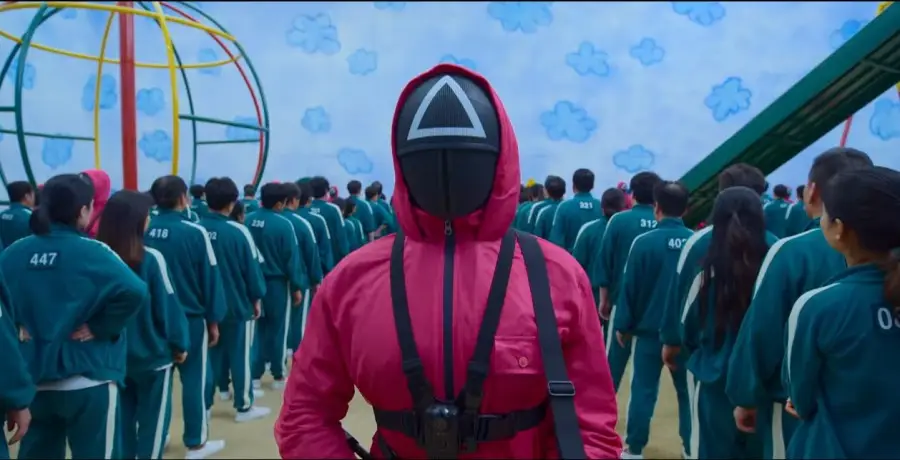
When Round 6 premiered on Netflix in 2021, no one expected that a Korean series based on children’s games with deadly consequences would become one of the biggest cultural phenomena of the decade. Three seasons later, the production not only broke audience records but also left a trail of curiosities, controversies, references, and hidden details that deserve to be remembered.
If you have already binge-watched the three seasons or are thinking of revisiting the series, get ready to discover surprising facts about the behind-the-scenes, the characters, and the intentions behind one of the most impactful works of the streaming era.
Table of Contents
1. The creator wrote the script 10 years before the premiere
Hwang Dong-hyuk had the idea for Round 6 in 2009, but was rejected by several studios for being considered “too violent” and “unrealistic.” Ironically, the plot was only accepted in 2019 — precisely because the world had changed enough for the social critique to make sense to a global audience.
2. The players’ numbers carry symbolic messages
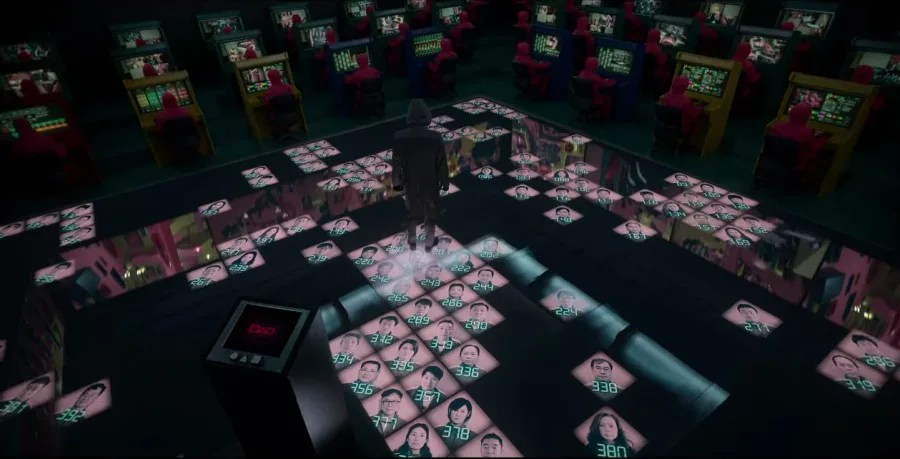
Each player in Round 6 has a number. The protagonist Seong Gi-hun is 456, the last to enter. Oh Il-nam, the “old man,” is 001 — the first. This was already a subtle hint that there was something behind him. In the following seasons, the pattern of the numbers also points to hidden hierarchies and connections between new characters.
3. The doll from “Red Light, Green Light” exists in real life
The iconic giant doll from the first game of the 1st season is based on a traditional figure called Younghee, and was even displayed in real villages in South Korea. After the series premiered, fans visited the location just to take pictures with her.
4. Each game has a narrative function
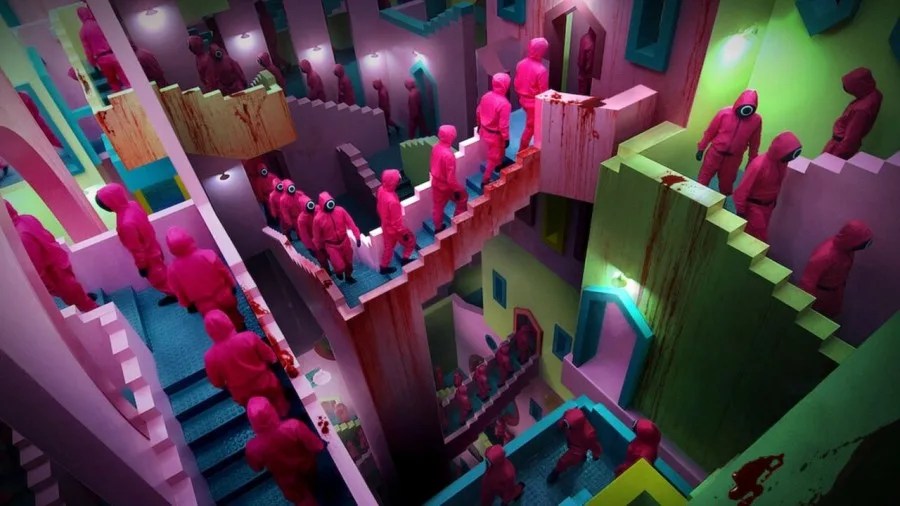
The children’s games were not chosen randomly. Each one represents symbolic aspects of society: blind obedience, illusory meritocracy, violence disguised as strategy, and betrayed trust. In the 2nd and 3rd seasons, this logic continues — now with international games and rule adaptations to deceive even the most experienced.
5. The second season had a budget increase (and you can tell)
While the 1st season had a more modest budget, the second received more than three times the initial amount. This allowed for more elaborate scenes, superior visual effects, and an expanded cast with special appearances — including Hollywood actors and camouflaged celebrities as VIPs.
6. A classic K-drama actress appears in disguise
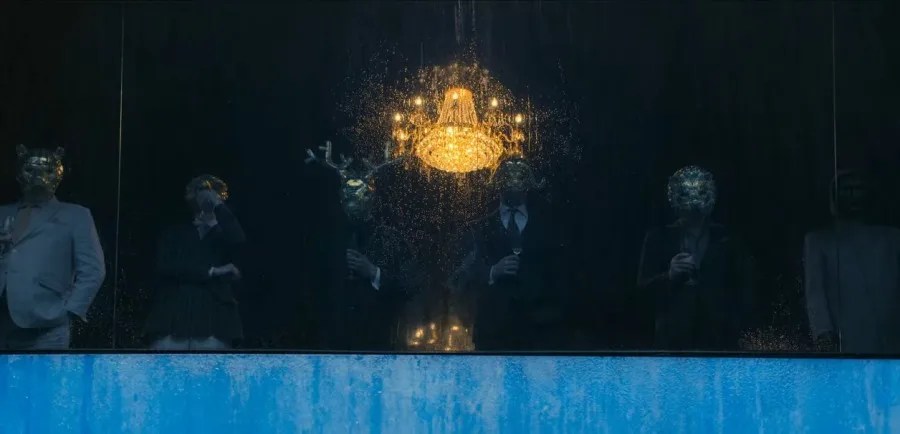
In the 2nd season, one of the masked VIPs was played by a veteran of Korean dramas from the 90s. Many did not notice until she revealed it in interviews. The idea was precisely to play with the boundary between the “real” world and the macabre theater of the games.
7. The police officer from the 1st season reappears in crucial flashbacks
Hwang Jun-ho, the infiltrated police officer, seems to have disappeared after being shot in the 1st season. However, he resurfaces in flashbacks that reveal how the games expanded globally, and that the Front Man (his brother) had a larger role than previously thought in the structure of the global games.
8. The series’ theme song is inspired by a French composer
The main soundtrack was composed by Jung Jae-il, but incorporates excerpts and structures inspired by Érik Satie, a 19th-century French composer. This gave the series a melancholic sound identity, almost like tragic theater — even in the most brutal scenes.
9. The 3rd season had a surprise international celebrity
During the final episodes of the 3rd season, one of the bets of the VIPs is made by Cate Blanchett. She appears with a golden mask and has a short line, but the reveal of her face happens at a key moment, which left fans in shock.
10. Hwang Dong-hyuk does not plan a 4th season
The creator stated in an interview with People that the story of Round 6 was meant to end in the 3rd season. According to him, extending the plot beyond that could “dilute” the original message. Still, he does not rule out spin-offs with other characters — especially about the VIPs’ past or the origin of the games in other countries.
11. There are alternative versions of some episodes
Netflix revealed that entire scenes were re-shot with different endings, in case it was necessary to alter the series’ conclusion due to censorship or public backlash. One of these versions shows a darker ending for Gi-hun, but it was never officially aired.
12. The name “Round 6” is exclusive to Brazil and a few countries
Worldwide, the series is called Squid Game. But in Brazil and a few Portuguese and Spanish-speaking markets, it was renamed Round 6 to facilitate understanding for audiences who are not familiar with the “squid game” (which is regional to South Korea).

13. The death of character 067 inspired fan protests
The death of Kang Sae-byeok (HoYeon Jung) caused global uproar. Fans created petitions asking for her to return in future seasons. The actress even received over 14 international awards just for that performance, even though it was her first role as an actress.
14. The games in the 3rd season included global challenges
Unlike the first two, the last season showcased games inspired by children’s games from other countries — such as “telephone” (USA), “silent hide and seek” (Japan), and “blind rope” (Brazil), indicating that the project of the games was global from the beginning.
15. Round 6 is studied in universities
Since 2022, Round 6 has become the subject of courses and subjects in universities in South Korea, the United States, France, Brazil, and Canada. Topics range from sociology, psychology, and media studies to political philosophy. This reinforces the profound impact the series has had on contemporary debate about inequality, ethics, and dehumanization.
Leave a Reply