

Natural disasters in Japan, Asia, and around the world would be much less severe if humanity did not keep damaging the planet. For that reason, governments have spent decades trying to build international agreements that can slow global warming and other environmental problems. One of the best-known examples is the Kyoto Protocol, also called the Kyoto Treaty.
The Kyoto Protocol is an international treaty designed to make developed countries commit to reducing greenhouse gases, helping to lessen the effects of global warming. The broader goal is simple: create goals and projects that do not keep harming the planet.
The story did not begin in Kyoto itself. Important environmental discussions were already taking place in Toronto in 1988. The protocol was later proposed in 1997 at another conference held in Kyoto, Japan. If you want a little more context about the city, we also have an article about Kyoto - Complete Guide - Curiosities and Tourism.

Contents 3
Who signed the Kyoto Protocol?
For the treaty to take effect, 55 countries responsible for 55% of global pollution had to sign it. The United States did not accept the agreement, arguing that it could threaten the American economy. The Kyoto Protocol only entered into force on February 16, 2005, shortly after Russia joined the agreement in November 2004.
In practice, most countries either ratified or signed the Kyoto Protocol. If you are not familiar with the difference, signing a treaty means a country is showing support for the agreement, while ratifying it means the legislature has formally approved the commitments.
By the end of 2009, most countries had ratified the Kyoto Protocol, including Japan and Brazil. The countries were divided into two groups with different obligations: Annex I, which covered developed countries, and non-Annex I, which included developing countries. For another related look at Japan's role in Asia, you can also read Japan and the Asian Tigers.
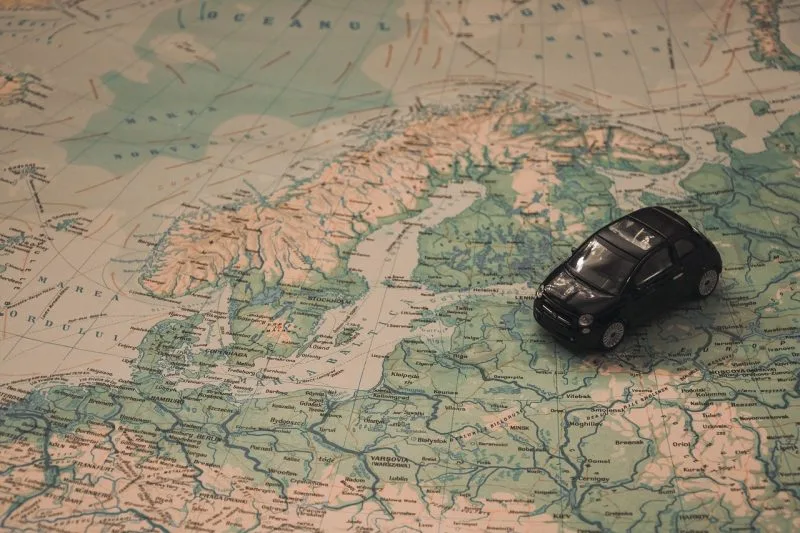
What did the Kyoto Protocol involve?
Each country had different obligations, but the overall idea was to reduce at least 5% of pollutants through reforms in the energy and transportation sectors, rely more on renewable and sustainable energy, eliminate inappropriate mechanisms, limit methane and other gas emissions, and protect forests and the environment.
For developed countries to comply with the protocol, they would have needed to cut emissions drastically, which could affect economic growth. That is one reason President George W. Bush refused to sign the treaty and also called it unfair, since developing countries did not face the same requirements.
The treaty was scheduled to expire in 2012, but it was later extended to 2020. In 2017, one of the most debated issues was the release of CO2 caused by uncontrolled deforestation in several countries, including the Amazon rainforest.
The protocol introduced three flexibility mechanisms for compliance: (1) Joint Implementation [JI] for project creation, (2) Emissions Trading, and (3) the Clean Development Mechanism [CDM], which supports sustainable projects that reduce greenhouse gases.
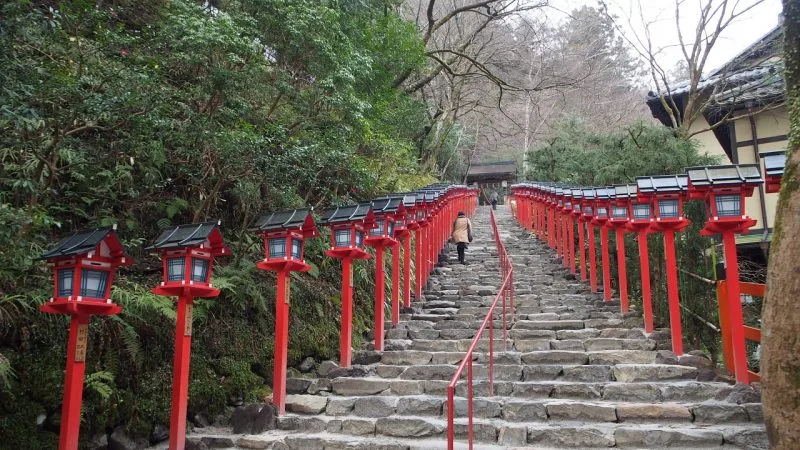
Other treaties involving the environment
It is disappointing to see how differently the United States and some other countries responded to the Kyoto Protocol. It is also frustrating that the process moved so slowly and that the results still did not seem to be enough. Fortunately, there are other agreements in force with many different countries.
Yes, there are several other international treaties and agreements designed to reduce pollution and protect the environment. In this article, we focused on the Kyoto Treaty, which has a direct connection to Japan and helped spark broader global discussions. To close, here are a few more environmental agreements and treaties worth knowing about.
This was my attempt to explain the Kyoto Protocol or Treaty in a simple and easy-to-read way for our readers. There is still a lot more you can explore about this important agreement and the others listed below. Feel free to leave a comment if another treaty belongs here.
- Agenda 21;
- Bonn Convention;
- OSPAR Convention;
- Environmental Protection Protocol of the Antarctic Treaty;
- Stockholm Conference;
- Vienna Convention for the Protection of the Ozone Layer;
- Stockholm Convention;
- Annapolis Protocol;
- Montreal Protocol;
- Eco-92.



Community
Comments
0 comments
There are no published comments in this language yet.
Send comment