
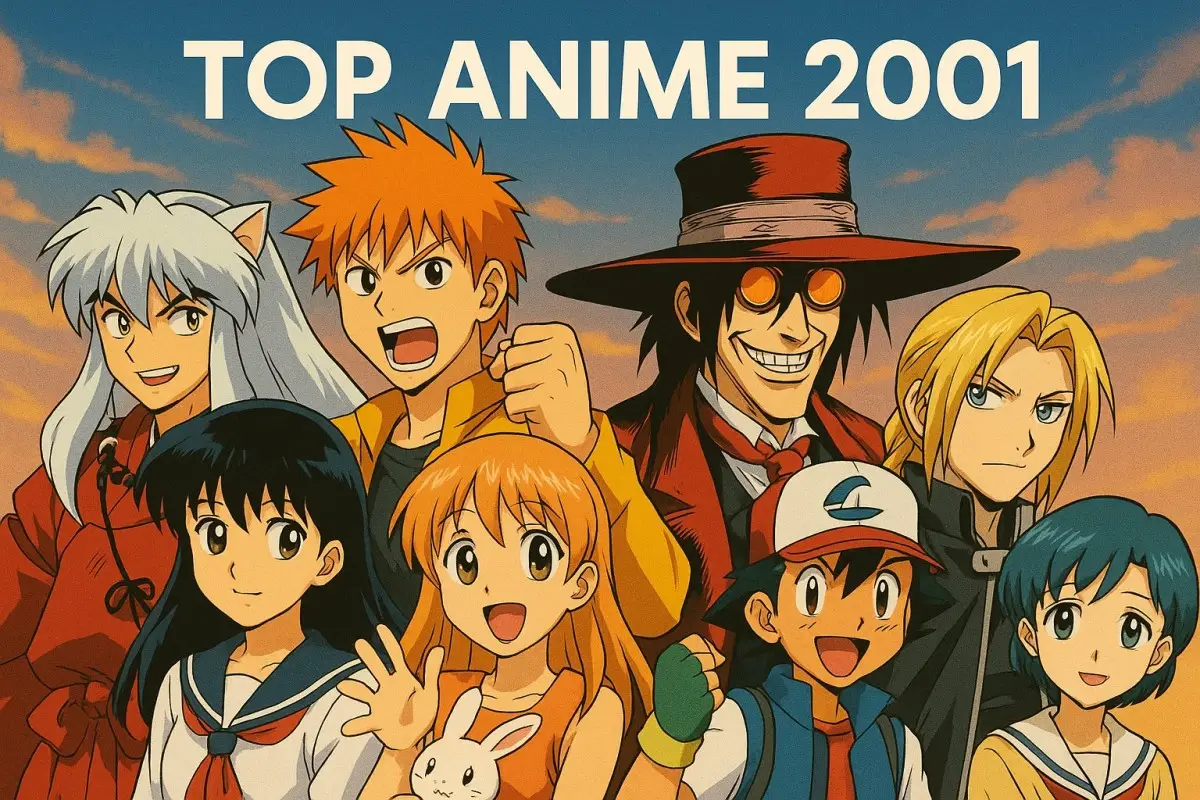
In 2001, the anime industry seemed to have found a new maturity. It was no longer necessary to choose between beautiful visuals and deep plots — studios were hitting the mark on both. It was a year of creative diversity: from philosophical sci-fi to crazy romantic comedies, passing through instant classics that changed the course of modern anime.
If 2000 was the experimental turning point, 2001 consolidated trends. Many of the animes that premiered that year still serve as references today, whether in debates, remakes, or the eternal affection of the audience. And yes, this year has true masterpieces that, if you haven't seen yet, you need to correct that mistake immediately.
Below, I gathered the 20 best animes of 2001, not only for their fame but for content, legacy, and current relevance. Get ready to make a list of what to watch next.
Also read: The 15 Best Animes of 2000
Contents 20
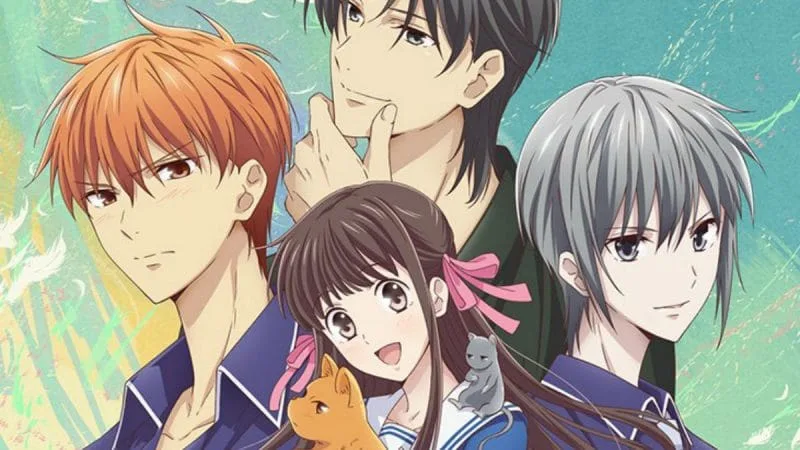
1. Fruits Basket (2001)
Don't confuse it with the remake. The 2001 version of Fruits Basket was many people's first contact with more sensitive dramas and characters with real traumas. Tohru Honda, the girl who goes to live with a family cursed by the Chinese zodiac signs, became a symbol of empathy and resilience.
Even incomplete, this anime helped pave the way for more faithful adaptations of drama mangas.
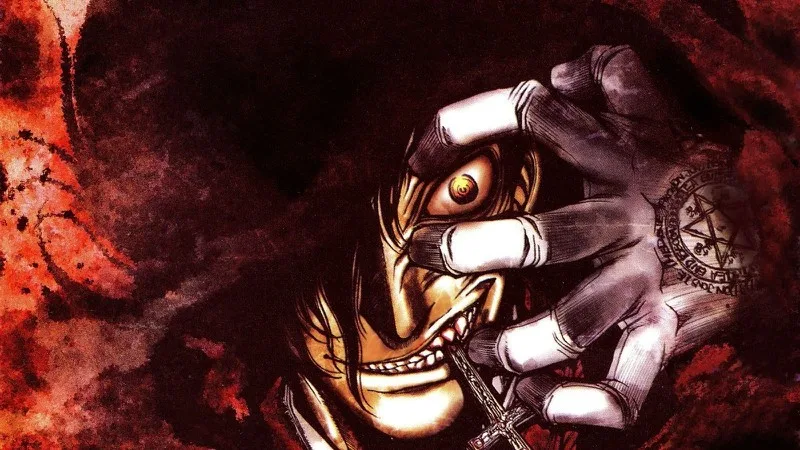
2. Hellsing
Before the edgy style became fashionable, Hellsing was already doing all that — with more style. Alucard, the most charismatic (and dangerous) vampire in anime, fights supernatural threats under the command of the Hellsing organization. Stylized violence, imposing characters, and a soundtrack with its own identity.
Don't watch expecting total coherence, but surrender to the elegant chaos of the narrative.
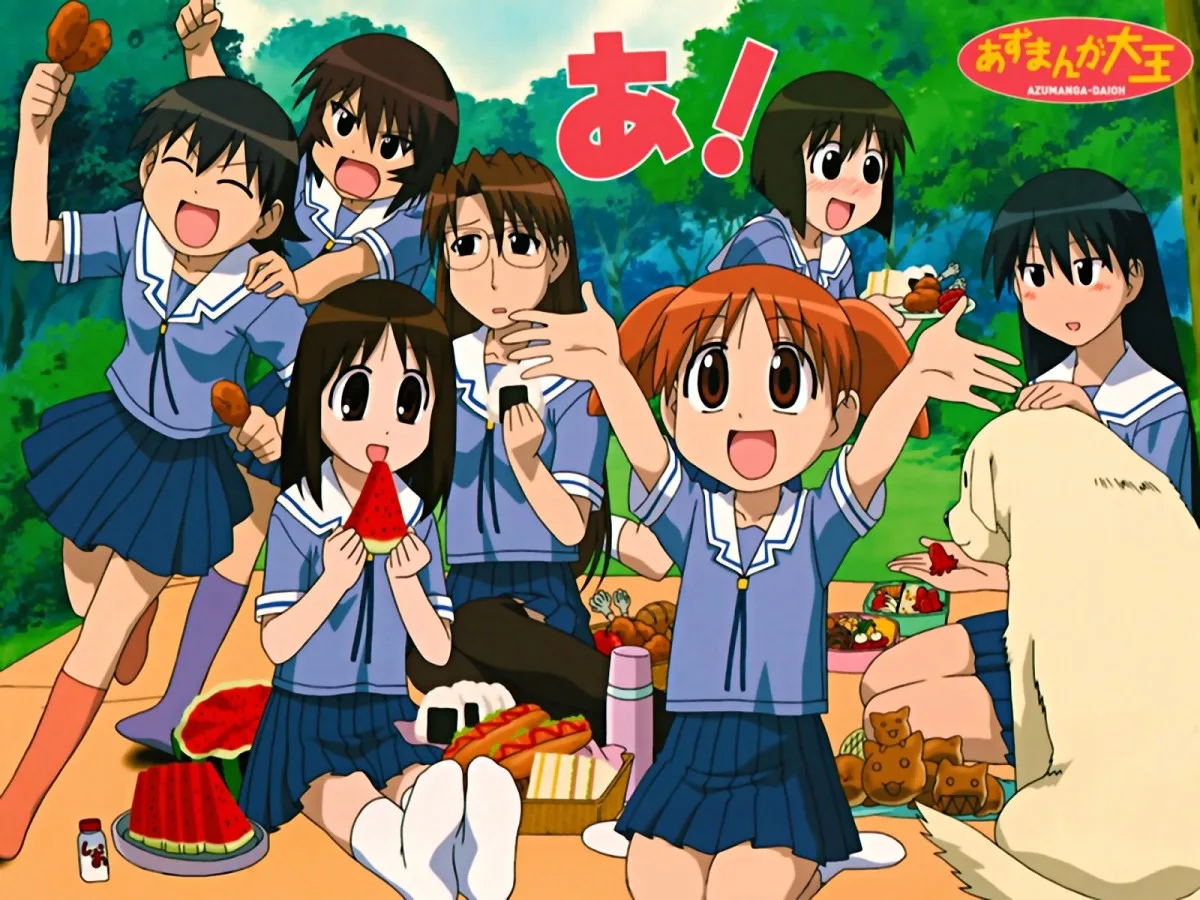
3. Azumanga Daioh (Pilot Webcast)
Although the complete series came out in 2002, the pilot of Azumanga Daioh was released in 2001. And just that shows what was to come: a nonsensical slice of life, funny, and surprisingly reflective.
Each character has their moment, and the silences are as important as the dialogues. Root Japanese humor.
4. Noir
A mix between Kill Bill and Serial Experiments Lain, but with much less noise. Noir follows two professional assassins in search of answers about their past. European noir aesthetics, French soundtrack, and silent shootouts like dance. The slow narrative may drive away the impatient, but it's a delight for those who enjoy building tension gradually.
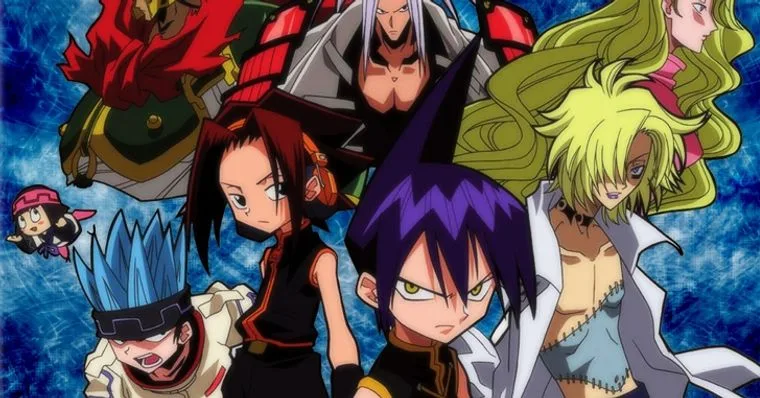
5. Shaman King
Yes, the 2021 remake is more faithful to the manga. But the original from 2001 has a charisma that cannot be replicated. The story of Yoh Asakura and the shaman tournament marked a generation, mixing light humor with well-choreographed spiritual battles.
The original Japanese dubbing (and even the Western one) helped keep this anime alive in the popular imagination for two decades.
6. s-CRY-ed
Powers, chases, and intense rivalry. s-CRY-ed was one of the first to bring that dynamic of "two ideologies colliding" with emotional intensity. Kazuma and Ryuhou are rivals with distinct goals, but both carry the weight of a divided world.
If you enjoy X-Men and Akira, you'll feel right at home.
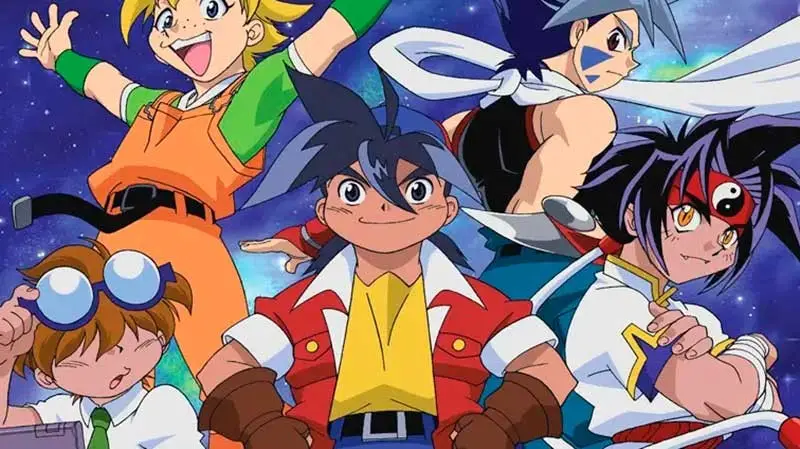
7. Beyblade
Let's be honest: Beyblade became a worldwide craze not only because of the anime but also because of the toys. Even so, the series was much more than marketing. The battles were well animated, the personalities were striking, and the soundtrack was exciting.
It's impossible to hear "Let it Rip!" and not feel nostalgia.
8. The Twelve Kingdoms (Juuni Kokuki)
Want serious worldbuilding? The Twelve Kingdoms delivers. Far beyond "generic isekai," it presents a complex political universe, with mystical creatures and deep moral dilemmas. Youko Nakajima is thrown into this world unprepared — and evolves in a raw and realistic way.
A must-read for those who enjoy dense fantasy and well-written characters.
9. Chobits
One of CLAMP's most well-known works. Chobits mixes romance, sci-fi, and philosophical questions about artificial intelligence. Hideki finds an abandoned "persocom" (android), and the relationship between the two challenges the line between real love and emotional projection.
Despite some somewhat dated ecchi scenes, the social critique remains current.

10. Full Metal Panic!
Teenage soldiers infiltrated in schools, military mechs, terrorists, and romantic comedy — all together and working. Full Metal Panic! manages to alternate between tension and humor without losing its way. Sousuke Sagara is the most out-of-place soldier of all time, and his interaction with Kaname Chidori yields priceless moments.
And yes, there are several seasons after this. But it all started here.

11. Gensoumaden Saiyuki: Requiem (Movie)
This movie from the Saiyuki franchise expands Goku and company's journey with a darker narrative and elaborate fights. Although it's aimed at those who already follow the series, it has above-average production and is worth it for its aesthetics and soundtrack.

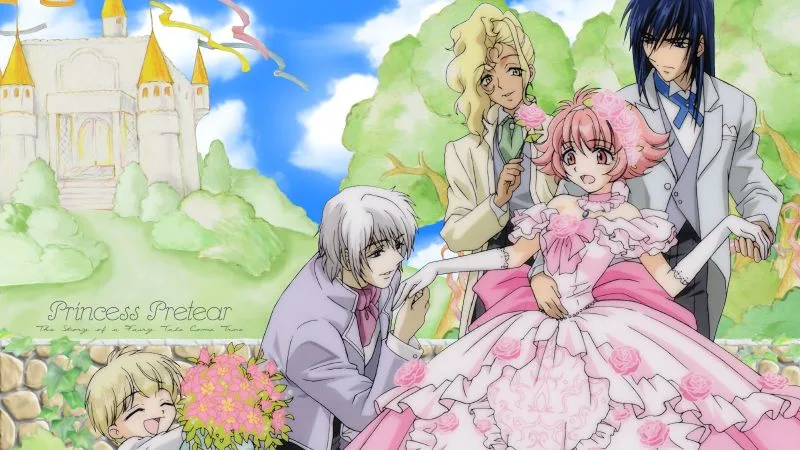
12. Prétear
A mix of Sailor Moon with Charming Prince. Prétear reinvents fairy tales with a strong female protagonist and a varied male cast. Short, light, but with its serious moments. The protagonist's transformation symbolizes more than aesthetics — it speaks of acceptance and growth.
13. Cosmo Warrior Zero
Spin-off of Captain Harlock, this space adventure shows the struggle between humans and cyborgs in a universe on the brink of collapse. It didn't have much impact in the West, but for fans of retro sci-fi, it's a treat.
14. A Little Snow Fairy Sugar
It seems childish, and it is, but Sugar has a unique delicacy. It mixes fantasy and everyday life in an almost therapeutic way. It's about fairies that control the weather, but also about friendship, growth, and the little joys of life.
Ideal for those who want to rest their minds.
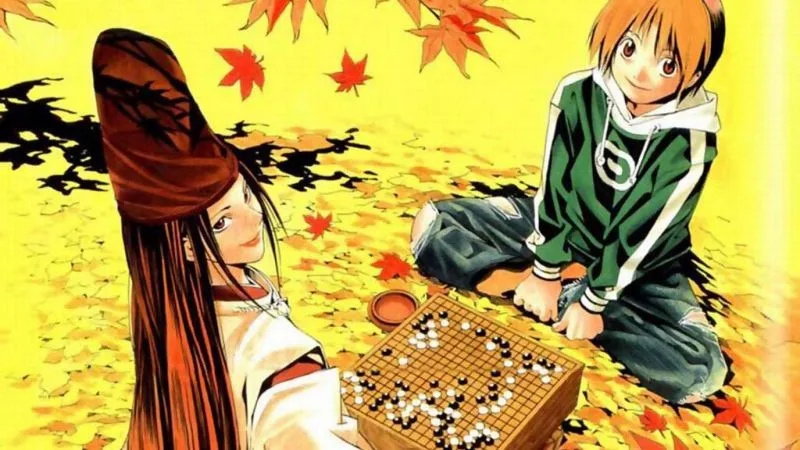
15. Hikaru no Go
Hard to imagine an anime about Go (board game) being exciting. But Hikaru no Go manages to be. The presence of an ancient spirit that helps the protagonist play adds a supernatural layer, while Hikaru's development and his rivals captivate with authenticity.
Inspirational and educational at the same time.
16. Galaxy Angel
Fun animation, focused on a group of space girls dealing with… strange missions. It's nonsensical, slapstick, and colorful. It doesn't try to be deep, and that's part of the charm.
Worth it for some good laughs and relaxation.
17. Vandread: The Second Stage
Direct continuation of the 2000 anime, this phase deepens the relationship between men and women in a gender-divided universe. More action, more drama, and more development. A real evolution of the original series.
18. Mahoromatic
A domestic android with a lifespan. This is the premise of Mahoromatic, which surprisingly mixes romantic comedy, fanservice, and existential drama. Mahoro is adorable and tragic at the same time.
The ending divides opinions, but the journey is worth it.

19. Angelic Layer
Another work from CLAMP, but now focused on electronic battles between dolls controlled by thought. Behind the action, there are themes like overcoming, mother-daughter connection, and self-confidence.
Simple, but with heart.
20. Captain Tsubasa: Road to 2002
The new version of the classic Captain Tsubasa arrived in 2001, paving the way for the 2002 World Cup. With a renewed look and plenty of energy, it reignited interest in sports anime about soccer in the new millennium.

Community
Comments
0 comments
There are no published comments in this language yet.
Send comment