
Free Fire belongs with PUBG Mobile and Fortnite among the three big battle royale titles that made the genre work on phones. This text looks at how the game rose, at the Brazilian market, at the situation in Japan and at a question that keeps coming back: why does a game this simple reach so many players?
One framing note before the rest: Free Fire is not a technical showcase. It runs on cheap devices, takes little storage and little processing power, and that explains much of its success in markets where a high-end phone is the exception rather than the rule.

Contents 9
What Free Fire is
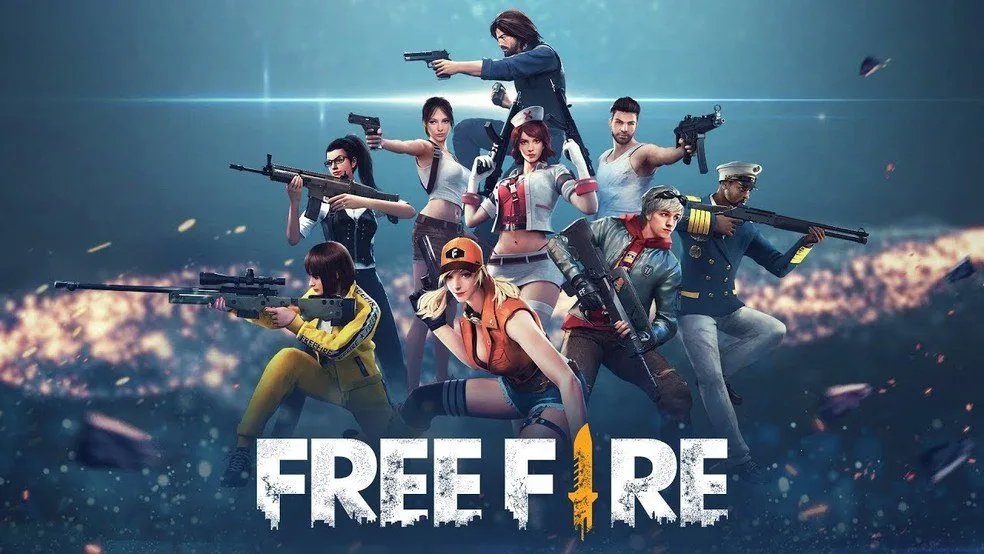
Free Fire is a battle royale shooter developed by 111dots Studio and published by Garena. Up to 50 players drop onto an island, collect weapons and gear, and fight until one player or team remains. A round is shorter than in the bigger competitors, usually around ten minutes, which fits between two appointments.
The beta ran in November 2017 and the worldwide release followed in December 2017. In Japan the game appeared in the local App Store on 24 December 2017, only weeks after the global launch. It was therefore available there from the beginning, a detail that matters when people ask how popular it really is in Japan.
Why the game grew so fast
Three reasons show up in almost every analysis. First, file size: the game ran on devices where PUBG Mobile and Fortnite no longer held a steady frame rate. Second, rhythm: short rounds, little downtime, a clear win or a clear loss. Third, price: free, with cosmetics instead of pay-to-win. That combination landed especially well in Southeast Asia and Latin America, where mobile devices dominate.
The numbers match that story. Around 182 million downloads were counted in 2018, 2020 brought the title of most downloaded mobile game worldwide, and in August 2020 the publisher reported more than 100 million daily active players. Total downloads have since passed one billion. When people talk about Free Fire today, they mean one of the largest mobile games in the world, not a niche product.

Free Fire, PUBG and Fortnite compared
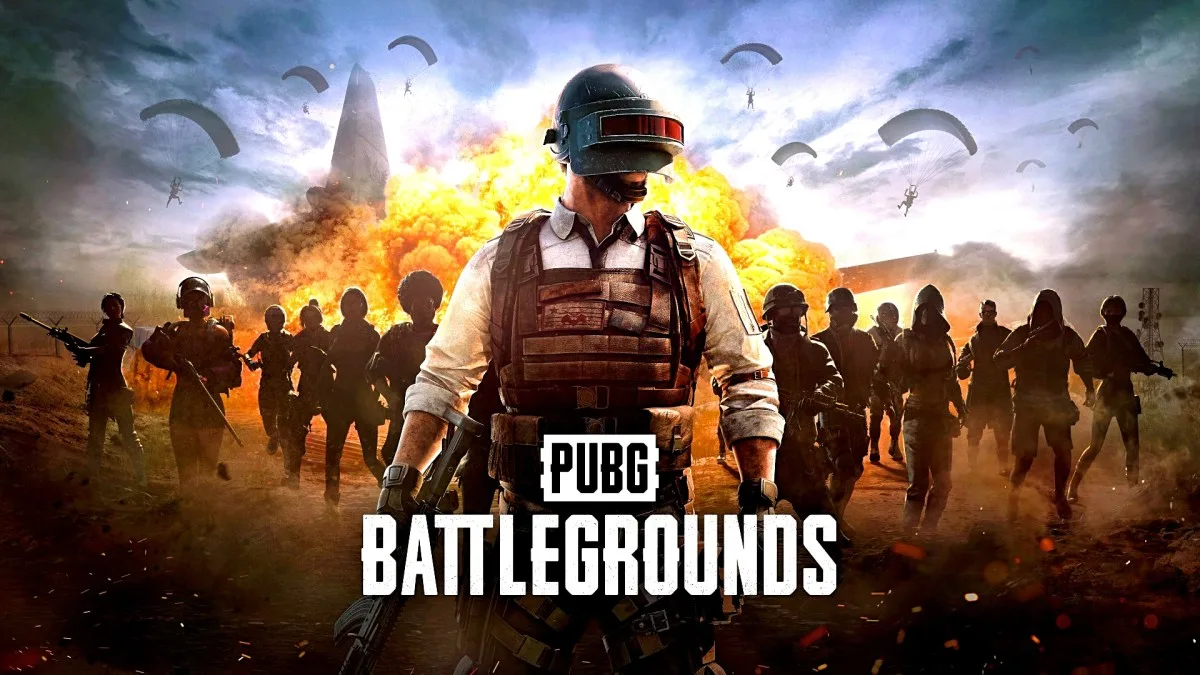
PUBG Mobile is the closer simulation: more weapons, more ballistics, more patience. Fortnite is the fastest of the three, with building that forces its own rhythm. Free Fire sits between them and takes itself less seriously: fewer weapons, simpler controls, shorter rounds. For a beginner that is an advantage; for a hardcore player it is often a reason to look elsewhere.
Someone starting on mobile should therefore not ask which title is best, but which one fits the device and the available time. An older phone and half an hour in the evening point to Free Fire more than to Fortnite. A current device and a taste for competition point to PUBG Mobile.
Free Fire in Brazil
In Brazil the effect was especially visible. From early 2018 the game appeared in schools, waiting rooms and buses, and anyone holding a phone was asked whether they played Free Fire. At its peak the popularity went beyond Candy Crush, which serves an older and more occasional audience. At the same time YouTube channels appeared that lived entirely on gameplay, codes and tips.
A personal impression from that period: my cousin stayed with us for a few months and spent whole days in the game. That shows both the strength and the problem. Free Fire is easy to pick up and easy to overdo, and without limits it eats the day. Anyone with children at home probably knows the screen time argument already.
Free Fire in Japan
In Japan the picture is more mixed than the global numbers suggest. The game is available in the Japanese store under the name フリーファイア (Furii Faiya), but it is not the mass phenomenon it is in Brazil or Indonesia. The Japanese market is dominated by mobile role-playing games with gacha systems, and a battle royale shooter competes with titles that have held loyal audiences for years.
Fortnite, by contrast, has a visible scene in Japan, partly because it runs on consoles and PC and collaborates with Japanese brands. Free Fire remains an option for players who are on mobile and want something light. If you are in Japan and want to join, the game is still in the store, usually with a Japanese interface and local events.
The battle royale genre itself has a Japanese backstory. Koushun Takami's novel Battle Royale and the 2000 film made the last-survivor premise popular long before the genre had its Western name. Manga and anime such as Btooom!, Mirai Nikki and Danganronpa work with similar rules. Anyone tracing the term ends up at those titles sooner or later.

Weapons and terms in Japanese
Playing Free Fire in Japanese means meeting katakana, English words written in Japanese sound. The list below covers the main weapon categories, not every single weapon in the game.
| English | Japanese | Romaji |
| Assault rifle | アサルトライフル | Asarutoraifuru |
| Burst assault rifle | バーストアサルトライフル | Bāsutoasarutoraifuru |
| Pump shotgun | ポンプショットガン | Ponpushottogan |
| Tactical shotgun | タクティカルショットガン | Takutikarushottogan |
| Submachine gun | サブマシンガン | Sabumashingan |
| Pistol | ピストル | Pisutoru |
| Rocket launcher | ロケットランチャー | Rokettoranchā |
| Grenade | グレネード | Gurenēdo |
| Scoped revolver | スコープ付きリボルバー | Sukōpu-tsuki riborubā |
| Minigun | ミニガン | Minigan |
A note on pronunciation: katakana reproduce English words, so they sound unusual to non-Japanese ears. Asarutoraifuru is simply assault rifle in Japanese sound, Ponpushottogan is pump shotgun. Once the pattern clicks, many other terms can be worked out from the English.
Regulation and the India case
One chapter that often gets skipped is bans. India blocked Free Fire in February 2022 over national security concerns, while Free Fire MAX, the heavier version, stayed available. In October 2026 Garena brought back a separate build called Free Fire India, with age gates, playtime limits, spending caps and servers inside the country. That shows how much a mobile game now depends on regulation, not only downloads.
For players elsewhere it is mostly a reminder: store availability is not a given. Anyone writing a guide should say which region it applies to.
Why I do not play it myself
To be honest, I have never played Free Fire and it does not appeal to me much. I am writing this because people asked. Mobile games never clicked for me, and the battle royale idea interests me more as an observer.
I did play Fortnite on the Nintendo Switch, and that entry was genuinely fun. Free Fire has one advantage in my eyes: it does not ask you to build absurd structures in the middle of a fight. That is exactly where many beginners give up on Fortnite.
What concerns me is the effect on children. Games shaped me, and I do not think the discussion about addiction and consumption is exaggerated. The point is not to ban games but for parents to pay attention. Letting a child play for hours and then complaining about concentration later is asking the question too late.
If you want to keep reading, the site has related pieces: Battle Royale and Fortnite in Japanese, Overwatch in Japanese, anime skins in Fortnite and V-Bucks in Fortnite.
Final thoughts
Free Fire shows that a game does not need the best technology to reach the largest audience. It was simple enough for the devices most people actually own, and it arrived at the right moment. In Japan it stays a niche, in Brazil it became a mass phenomenon, and in India it shows how quickly regulation can reshape a market. If you want to try it, play one short round and then decide how much time the game should get.



Community
Comments
0 comments
There are no published comments in this language yet.
Send comment