
In 2002, the anime industry reached a new maturity. If before studios were still testing formulas and styles, this was the year when many found their signature. The experimental gave way to solidity, and diversity took over the genres — we had everything from deep philosophical works to chaotic comedies, not to mention the bold sci-fis and dense dramas that marked the era.
This rare balance between technical quality, engaging narrative, and memorable characters made 2002 a decisive year for the consolidation of trends that would dominate the following years. Below, you can check the 20 best animes released in 2002, with deeper comments on each one. If you thought this year was lukewarm, prepare to rethink.
We recommend reading:
Contents 21
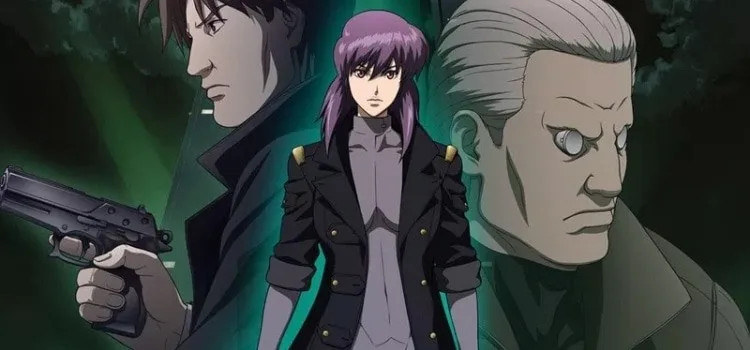
1. Ghost in the Shell: Stand Alone Complex
This series brought a new rhythm to the world of Ghost in the Shell. Unlike the 1995 film, there is space here for gradual character development and episodes with closed plots that enrich the cyberpunk universe without feeling repetitive.
The Laughing Man arc is just the surface of a series that discusses digital identity, corporate espionage, informational terrorism, and free will with clarity and depth. A landmark of mature science fiction on Japanese TV.
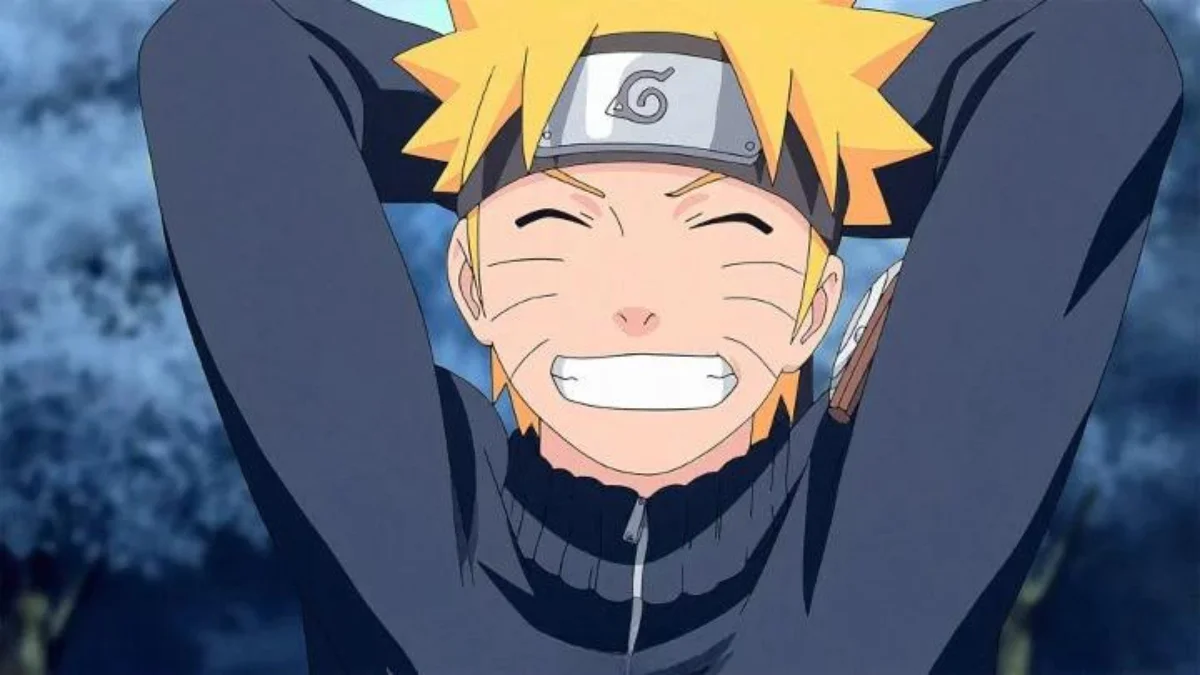
2. Naruto
The anime premiered at the end of 2002, opening a journey of almost two decades. But this first phase, still without exaggerations, shows a more human Naruto: lonely, rejected, and hungry for connection. It is here that he becomes a symbol of persistence.
The Chuunin Exam arc began this year and already showed what would become a phenomenon. Choreographed fights, sincere emotion, charismatic characters, and a catchy soundtrack. It's not just nostalgia — it's merit.
3. Haibane Renmei
Silent, poetic, and deeply symbolic. Haibane Renmei does not explain, it insinuates. Its characters — winged beings who do not know why they are there — live in a city enclosed by walls. Every gesture, every choice, carries weight.
The anime deals with guilt, rebirth, acceptance, and possibly, life after death. Reki and Rakka, its protagonists, are not heroines — they are emotional mirrors of the viewer. One of the most delicate and profound animes ever made.

4. Full Metal Panic? Fumoffu
No war or mechs here. Instead, Sousuke is trying to live like a normal teenager, but he fails miserably. The contrast between his military logic and school life creates one of the best comedies of the year — perhaps of the decade.
Kaname shines even more in this comedic environment, balancing nonsense with believable reactions. It's impossible not to laugh at the episodes of the “bomb bear” or the swimming pool. Physical humor, absurd timing, and well-rounded scripts.

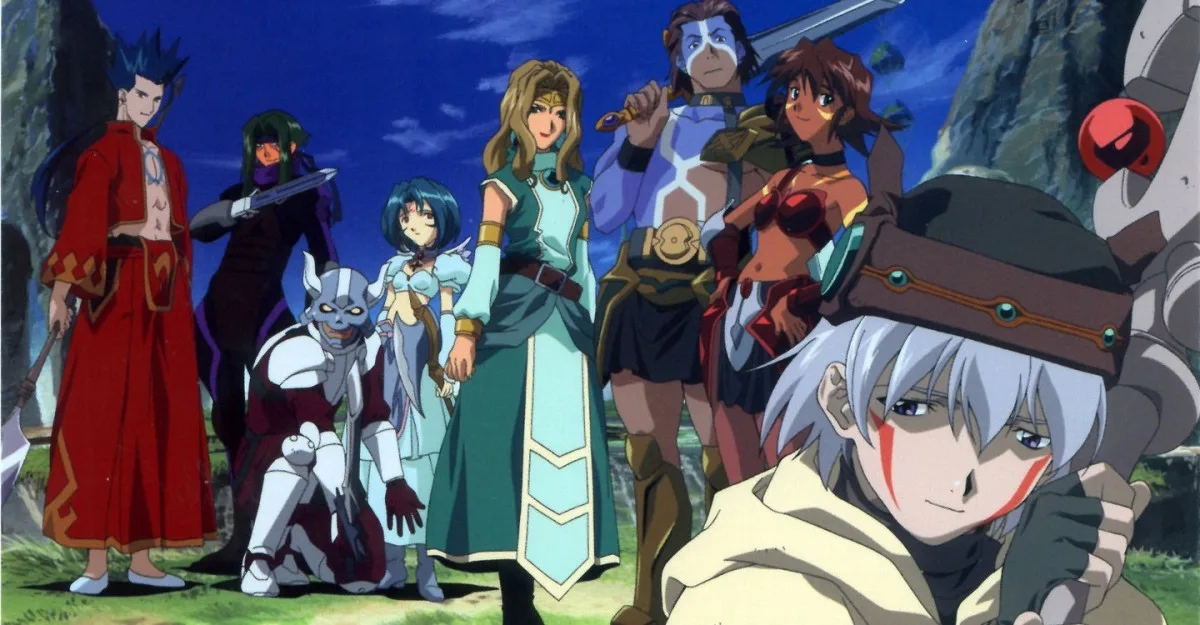
5. .hack//SIGN
Long before SAO, hack//SIGN already dealt with virtual isolation as a central theme. But here, the focus is not on action — it’s psychological. Tsukasa is trapped in an MMORPG, and the game reflects his internal anguish, creating an introspective and unique narrative.
With an atmospheric soundtrack by Yuki Kajiura, the anime creates a world that feels like an extended dream. It is slow, yes, but this pace serves the theme. Ideal for those looking for an anime to feel, not just watch.
6. RahXephon
Despite comparisons to Evangelion, RahXephon walks on its own. Music is a narrative element, not just a soundtrack. Ayato is dragged into a parallel world where his perception of reality begins to crumble.
The plot mixes dimensional travel, mystery, and romance, with beautiful animation. It’s an anime that demands attention, but delivers a rich, aesthetic, and emotional experience.

7. GetBackers
Ban Mido and Ginji Amano are “retrievers” — they get back anything that has been stolen. The simple premise allows for creative confrontations and eccentric characters with unique abilities.
But as the episodes progress, the anime delves into themes like identity, erased memories, and repressed past. The Mugenjou arc, for example, breaks the episodic rhythm and transforms everything into something much denser.

8. Chobits (TV)
Hideki finds a persocom, Chi, thrown in the trash. It seems like a comedy, but Chobits quickly turns into a treatise on relationships between humans and technology. Chi is not just a machine: she learns, questions, and even loves.
The work of CLAMP uses a cute style to address dense themes like loneliness, desire, and purpose. An anime that starts simple and ends up making the viewer think — a lot.

9. Kiddy Grade
In a future where special agents solve planetary crises, Kiddy Grade starts with action and comedy, but soon dives into interstellar politics and ethical dilemmas. Éclair and Lumière have chemistry and history — and that history matters.
It’s not just pretty gunfire. The series discusses identity, erased memory, and social control with more seriousness than it appears. It’s a sleeper hit that deserves a revisit.

10. Ai Yori Aoshi
Kaoru reunites with Aoi, his promised childhood fiancée. But instead of crazy twists, the anime delivers a mature, sensitive, and well-constructed romance. The ecchi exists, but never crosses the line — the focus is on emotional connection.
Aoi is one of the kindest and most consistent female characters in the genre. The relationship between the two is respectful, without forcing ridiculous situations. A love story in the most traditional and honest sense.

11. Witch Hunter Robin
Robin is a witch sent to hunt other magic users. But the morality of it all begins to be questioned as the episodes progress. The anime creates a modern noir atmosphere, with a cold palette and a more investigative pace.
Tension builds slowly, until the viewer realizes that no one there is truly trustworthy. A great example of an anime that works with atmosphere building, not with pyrotechnics.
12. Mahoromatic: Something More Beautiful
The second season of Mahoromatic abandons some of the lightness of the previous one to invest in drama. Mahoro, an android created for war, now deals with her imminent deactivation — and the pain of loving while being finite.
The contrast between everyday life and Mahoro's inevitable fate gives the series a melancholic and mature tone. It’s hard not to get attached and not be moved by the ending.

13. Spiral: Suiri no Kizuna
Ayumu Narumi is pulled into a series of enigmas related to the mysterious Blade Children. What begins as school suspense soon turns into a logic game involving life and death.
Despite its modest appearance, the anime is clever, with smart dialogues and mental confrontations that keep you engaged until the end. A feast for those who enjoy narrative puzzles.
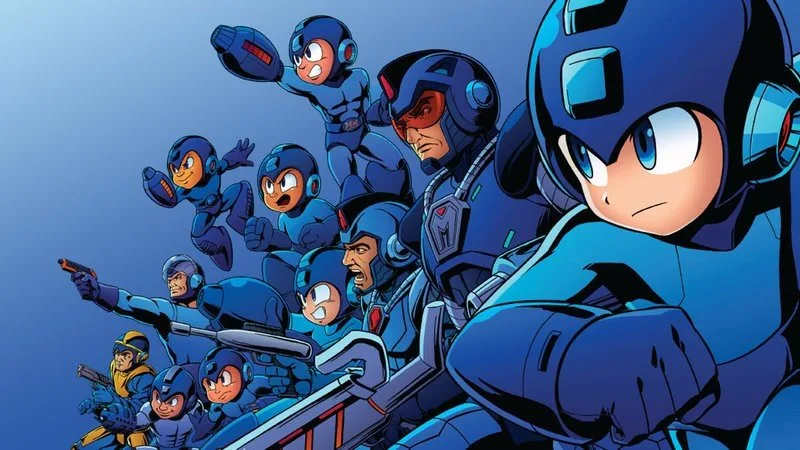
14. Rockman.EXE
This spin-off of MegaMan gets it right by turning network battles into intense duels between programs with personality. Lan and MegaMan have a partnership that carries much of the story.
It’s fun, creative, and even educational in the use of digital language. And for those who played the Battle Network series, it’s a trip back in time — with plenty of nostalgia.
15. Pita-Ten
A clumsy angel moves in next to an introverted boy. What seems like just cute comedy soon turns into a narrative about loss, childhood trauma, and emotional responsibility.
The balance between visual lightness and emotional depth is surprising. An underestimated gem that delivers more than it promises.

16. Heat Guy J
In a futuristic world, Daisuke Aurora investigates crimes alongside his android partner J. The series mixes action and politics with a modern noir vibe. Visually stylish, with a striking soundtrack.
But don’t be fooled: behind the action, there are critiques of social inequality, corruption, and corporate manipulation. It’s one of those animes that flies under the radar but deserves attention.
17. Sister Princess
Dozen adoptive sisters, each with a unique personality, interact with a single older brother. It seems chaotic — and it is. But the series surprises by focusing more on affection and family dynamics than on romance.

Even with a fantastical tone, there is a real attempt to create sincere connections. A slice of life that hits the unexpected.
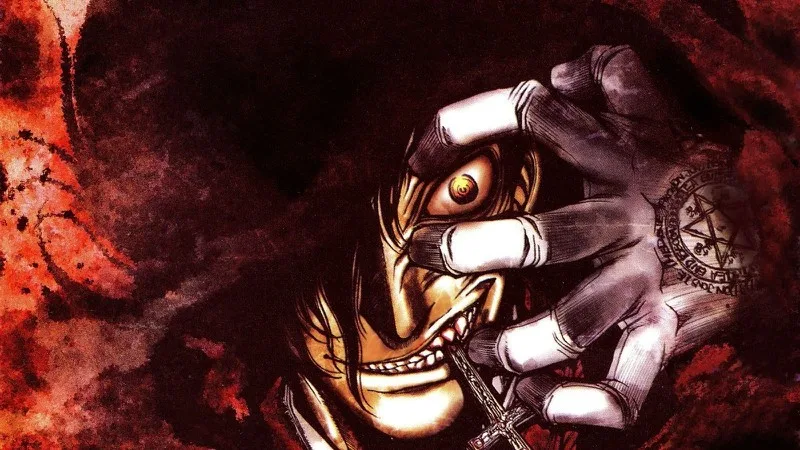
18. Hellsing (TV)
Although it was later remade with more fidelity, the Hellsing of 2002 has its own charm. Alucard, the vampire in service of the British royalty, faces supernatural threats with overwhelming power and a sadistic smile.
Style is the word. Each scene is loaded with aesthetic weight, from the soundtrack to character design. An intense experience.
19. Tokyo Mew Mew
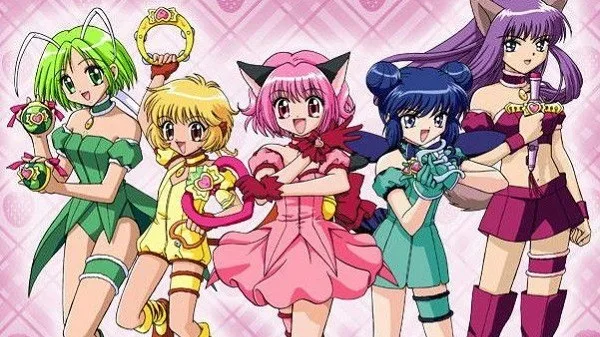
Magical girls with animal DNA fighting against aliens who want to take over the Earth. Tokyo Mew Mew follows the formula but executes it with charisma and heart.
Ichigo, the protagonist, is clumsy but determined. The series balances action and romance efficiently, making it a good entry point for new fans of the mahou shoujo genre.
20. Nanaka 6/17
After an accident, a 17-year-old student starts acting as if she were 6. The absurd premise is treated lightly but surprises by touching on themes like trauma, social expectation, and maturation.
The comedy opens space for sincere reflections, and the contrast between "adult Nanaka" and "child Nanaka" creates situations that are both funny and touching.

2002: Less volume, more soul
Instead of betting only on big names, 2002 was the year of works that surprised those watching without expecting much. Narrative quality rose, and the audience also began to demand more. And the studios responded.
If you are one of those who think that “good anime only came out after 2010,” you might need to review this list carefully. I bet you will find something that was missing in your marathons.

Community
Comments
0 comments
There are no published comments in this language yet.
Send comment