
Sitting on the floor with legs folded back may seem like a challenge for many, but in Japan, this practice has a name, purpose, and history: seiza. Right from the first contact with traditional Japanese culture, whether in formal ceremonies, martial arts, or even visits to temples, it is common to encounter this specific way of sitting. Although simple at first glance, seiza carries decades of tradition and social codes.
Many foreigners wonder why the Japanese still maintain this custom, especially in an era when chairs and benches dominate daily life. The truth is that to understand seiza, one must look beyond the physical aspect. This posture reveals much about how the Japanese perceive respect, silence, and self-control — elements that transcend generations.
Contents 5
How Seiza Originated and Why It Became the "Correct" Way to Sit
The word "seiza" (正座) literally means "to sit correctly," but this "correct" has a lot to do with the historical context. In the past, when houses began to be covered with tatami (rice straw mats), the way people sat also needed to adapt. Shoes were left outside, and sitting with knees bent seemed more appropriate for the clean and intimate environment of the Japanese home.
It was during the Edo period (1603–1868) that seiza began to establish itself as a standard in formal settings. Nobles, samurais, and people involved in religious rituals adopted the posture as part of the behavior required in solemn situations. From there, it spread to other areas of Japanese life, such as theater, meditation, and social etiquette.
More than a norm, seiza became part of education: even today, many schools teach children to sit this way during assemblies, presentations, or school ceremonies.
What Seiza Represents in Daily Life
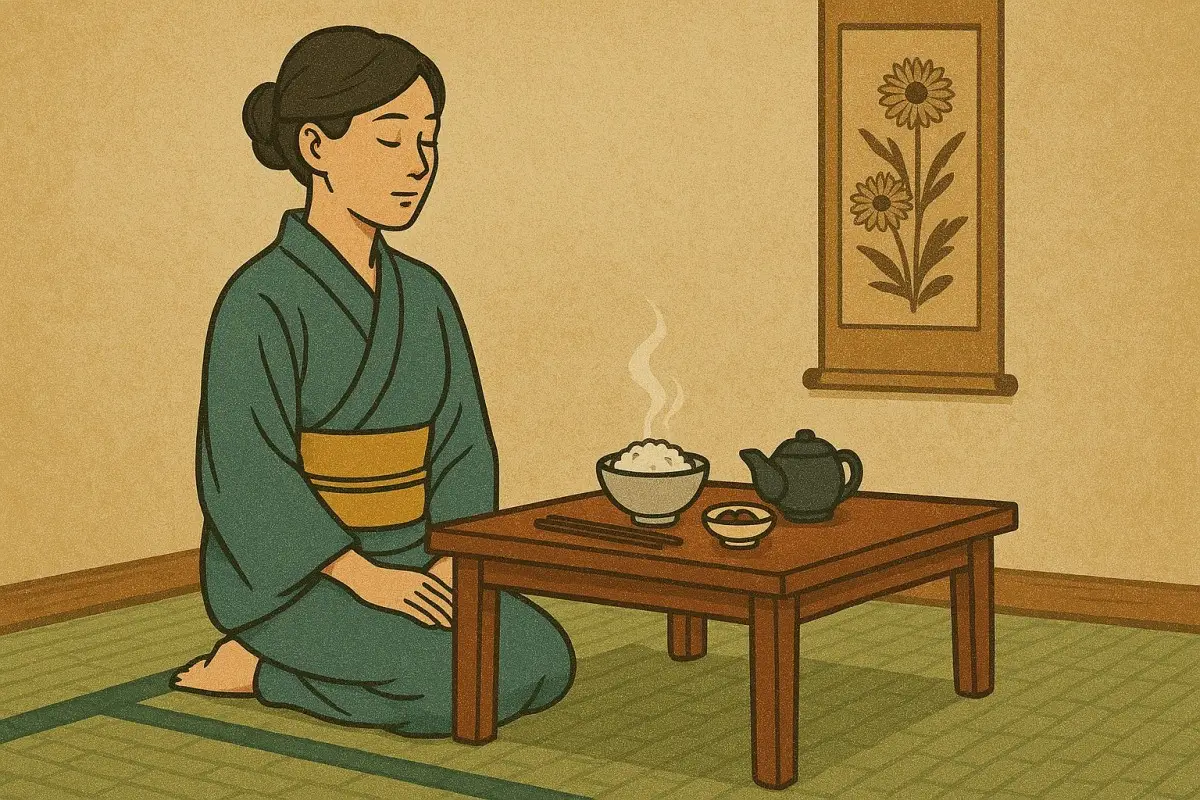
Contrary to what it may seem, seiza is not used at all times. Nowadays, most Japanese only adopt it in specific situations — usually those that require formality or concentration. Among these occasions are:
- Tea ceremonies: where every gesture matters and the body needs to follow the calm rhythm of the practice.
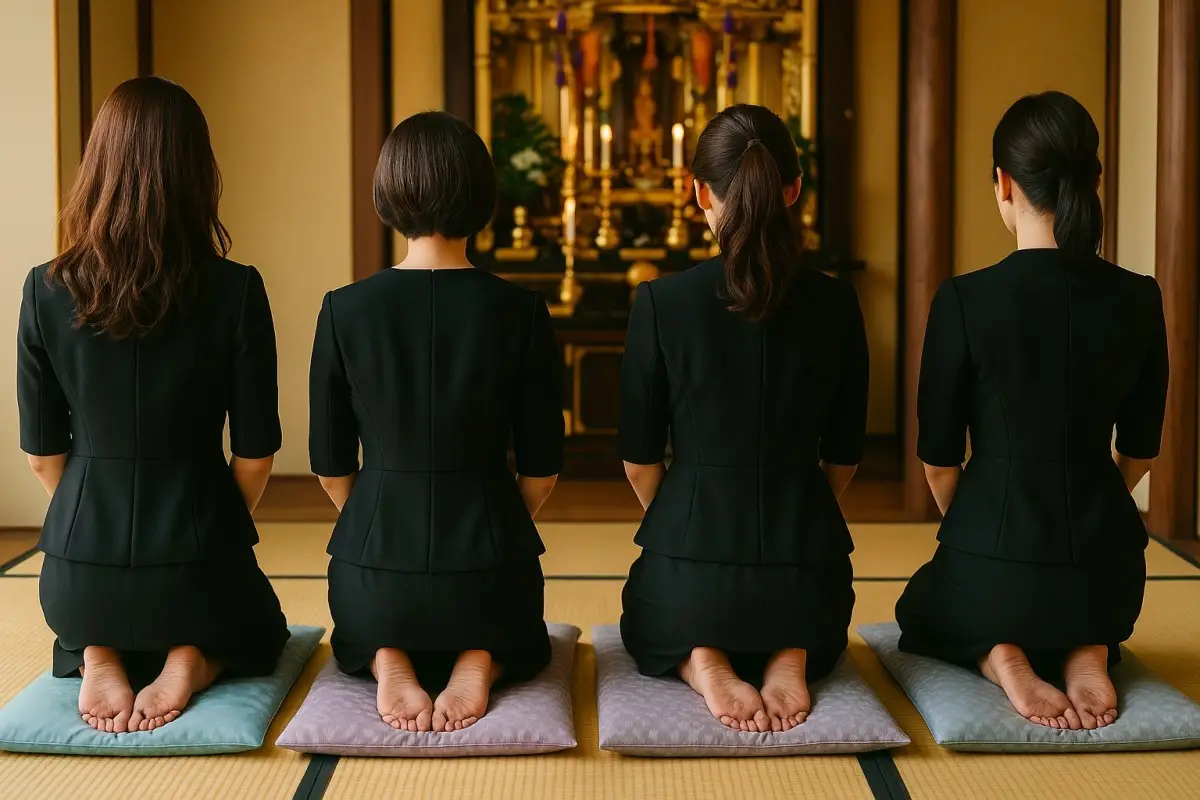
- Visits to temples: where silence and reverence require a stable posture.
- Funerals and formal meetings: where respect is expressed even in the way one positions themselves.
Sitting in seiza during these moments conveys composure and good manners. Moreover, it shows that the person is present in body and mind. It is no wonder that many masters of traditional arts still require their students to start and end activities in seiza.
The Presence of Seiza in Martial Arts
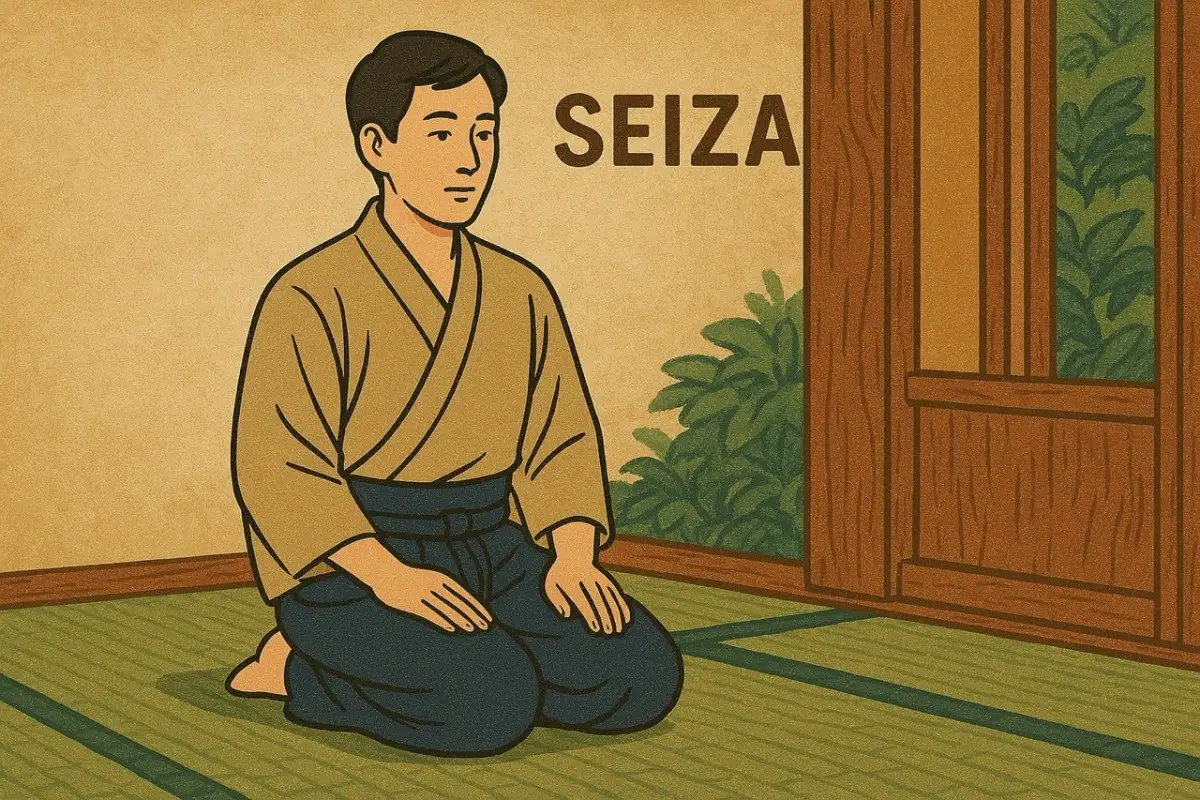
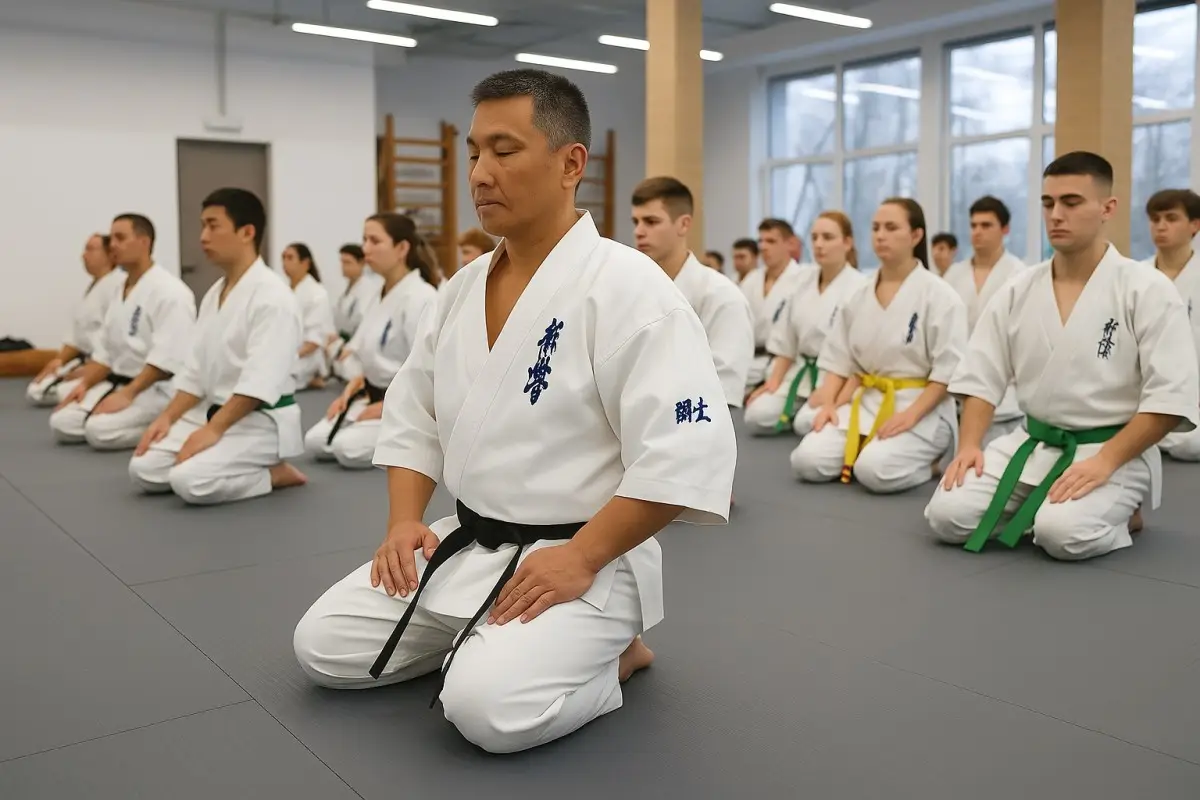
If you have ever attended a kendo, aikido, or traditional karate class, you have certainly noticed that all practitioners start aligned in silence, sitting in seiza. There, the posture is not just aesthetic — it prepares the body and spirit for training.
The ritual of starting (and ending) the training, called "rei," requires everyone to remain silent and bow. Being in seiza at this time represents attention, readiness, and respect for those beside you and for the teacher.
In some budo (way of war) schools, seiza is even part of techniques. Learning to move from this position helps train balance, body control, and even quick responses — yes, it is possible to rise and defend oneself fluidly from it, but that requires practice.
Difficulties of Seiza and Modern Adaptations
It is true: for those who did not grow up with the habit, seiza can be uncomfortable. Numb legs, painful ankles, and a feeling of stiffness are common complaints. But there are ways to deal with this without disrespecting tradition.
Here is a practical list to adapt seiza in a more accessible way:
- Use a zabuton: low cushions help reduce pressure on the ankles and knees.
- Alternate with the agura posture: sitting cross-legged is accepted in informal settings.
- Practice in moderation: start with a few minutes a day and gradually increase the time.
- Stretch before and after: prioritize stretches for the hips, knees, and ankles.
- Respect the body's limits: no one needs to suffer to follow a tradition — adapt as necessary.
Today, even in Japan, it is not uncommon for elderly people or those with reduced mobility to be allowed to use stools or sit with their legs turned to the side (yoko-zuwari), without any judgment.
Much More Than Etiquette
More than a cultural obligation, seiza is a practice that invites introspection. By sitting consciously, the body aligns, the mind slows down, and the present moment gains prominence. That is why it is still so valued in zen meditations and Buddhist ceremonies.
Those who frequently adopt seiza often report a feeling of grounding — as if the ground supports not only the body but also the mind. It is not magic or mysticism: it is the result of the aligned posture and the natural breathing it facilitates.
Although it may seem like a rigid tradition at first glance, seiza continues to be practiced because it offers something that is not always found in the rush of daily life: time to be whole.
Want to try? Try sitting for two or three minutes in seiza, with your back straight and your eyes closed. No rush. Just observe how your body reacts. Perhaps you will discover that this ancient way of sitting has more to do with the present than with the past.




Community
Comments
0 comments
There are no published comments in this language yet.
Send comment