
You know the moment. A character stands up, the camera pulls back, a bass drum hits, the brass section swells, a choir comes in over a wall of strings, and the screen suddenly feels bigger than your room. In Japanese anime culture, there is a well-worn word for exactly that kind of music: Ōdō Shinkō (王道進行). It is the term fans and musicians reach for when a soundtrack stops holding back and starts marching forward with the hero.
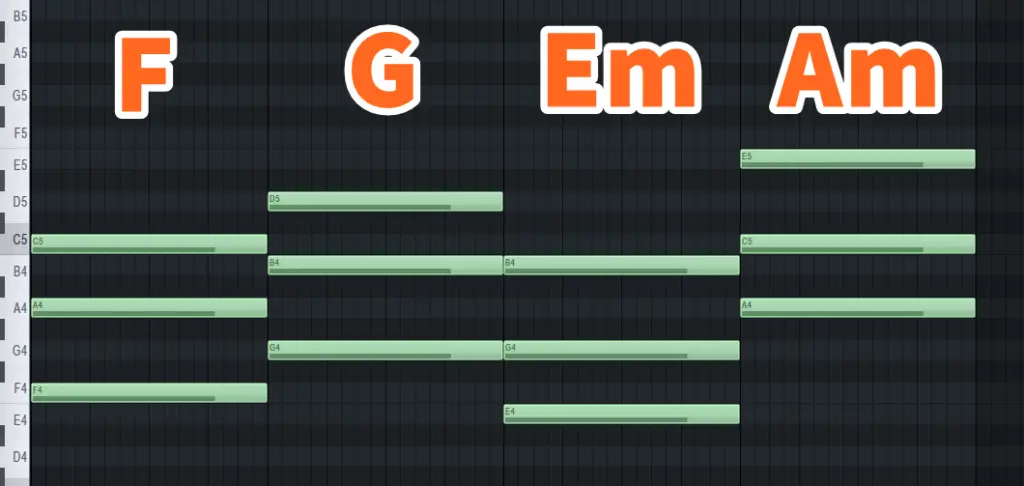
The phrase shows up in comment sections, soundtrack reviews, forum threads and YouTube essays. Once you start listening for it, you hear it everywhere, in opening themes, mid-battle cues, transformation sequences and the trailers that come before a film even begins. That is exactly why it is worth slowing down and looking at it properly: what does the term actually mean, where did it come from, who turned it into a sound you can recognise in a few notes, and why is it still everywhere, in a moment when anime music lives on streaming platforms and plays in concert halls from Tokyo to São Paulo?
Contents 6
What is Ōdō Shinkō?
The phrase breaks into two halves, and both halves matter. Ōdō (王道) literally means something close to "the royal road" and is used in Japanese to talk about the main, well-trodden, orthodox path. When people call something ōdō, they usually mean the route that has been tested, the one that almost always works. Shinkō (進攻) means "advance" or "attack," an active, forward movement rather than a defensive one.
Put together, Ōdō Shinkō describes a sound that takes the proven, crowd-pleasing route and pushes it aggressively ahead. It is not about experimentation, novelty or surprise for its own sake. It is about delivering the version of heroic that anime listeners already trust, only louder, faster and with more conviction than the last time. The label is a fan and industry shorthand, not an academic one, so you will mostly see it in soundtrack discussions, OST credits commentary and social posts by people who write about anime music in Japanese.
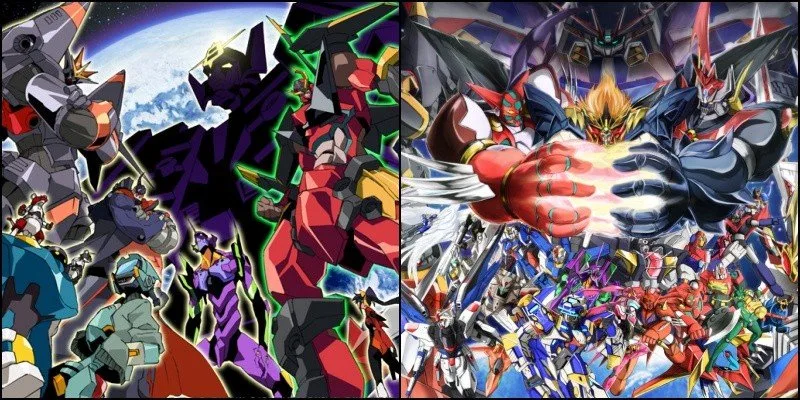
In practical terms, you will hear Ōdō Shinkō in a few recognisable places. Mecha anime is the obvious home: shows like Mobile Suit Gundam, Neon Genesis Evangelion and Gurren Lagann lean on it heavily during launch sequences and climactic battles. Sports anime such as Captain Tsubasa, Kuroko's Basketball and Haikyuu!! use it to score big plays and championship moments. Shounen action series like Dragon Ball, One Piece, Naruto and My Hero Academia use it for transformations and finishing moves. And it spills out of TV entirely, into theatrical trailers, opening and ending themes, insert songs, and the promos that sell a series before the first episode airs.
Sonically, fans often describe the style as something like "symphonic power metal." That is informal and a little generous, but the instincts behind it are accurate. You are listening to a large ensemble that wants you to feel the size of the moment. Full orchestra, driving brass, deep percussion, soaring strings and a choir if the composer has the budget for one. The point is to make the scene feel inevitable, as if the music has been waiting for the character to be ready.
History and origin of the term
Ōdō Shinkō did not arrive with a single composer or a single series. It grew out of a particular moment in Japanese animation, the late 1970s and early 1980s, when TV studios were starting to invest in ambitious soundtracks and audiences were starting to follow composers by name. The pioneering work came from studios like Toei Animation (東映動画), whose house style during the early super robot era helped define what a heroic anime cue should sound like. Tracks written for shows like Mobile Suit Gundam in 1979 and the super robot hits that surrounded it are usually cited as early reference points for the orchestral, charging tone that would later get called Ōdō Shinkō.
Through the 1980s and 1990s, the sound kept spreading across genres. Shiro Sagisu built much of the identity of Neon Genesis Evangelion around orchestral writing, with the A Cruel Angel's Thesis opening becoming one of the most famous examples in the world. Kohei Tanaka gave One Piece its wide-screen musical personality, and the long-running We Are! opening is still an easy reference point. Yoko Kanno and her project the Seatbelts shaped the sound of Cowboy Bebop, mixing big-band and orchestral touches with a more eclectic sensibility that still counts as part of the Ōdō family when the moment calls for it.
The 2000s and 2010s brought the modern masters. Hiroyuki Sawano turned out to be a kind of house ambassador for the style, scoring Attack on Titan, Kill la Kill, Guilty Crown and a long list of other action-heavy series, often with the choral arrangements that fans now expect from a big Ōdō Shinkō cue. Yuki Kajiura brought a more layered, sometimes darker orchestral voice to Fate/Zero, Puella Magi Madoka Magica, Sword Art Online and Steins;Gate, with the Hacking to the Gate opening as a clear example. Taku Iwasaki, who later worked on JoJo's Bizarre Adventure, scored Gurren Lagann with the kind of unstoppable forward motion that the term was practically invented to describe.
From there, the term spread through online communities. Japanese anime fans began using Ōdō Shinkō and its shorthand forms on 2ch-style forums, then on Niconico and Twitter, then on Reddit and Discord. As anime music moved onto Spotify, Apple Music and YouTube Music, the phrase travelled with it, and new listeners picked it up the way they pick up "shounen" or "isekai," as part of a shared vocabulary for talking about a familiar kind of scene.
Musical features and instrumentation
Even though Ōdō Shinkō is a loose label rather than a strict formula, the tracks people call by that name tend to share a recognisable set of musical choices. Once you know what to listen for, you start hearing them across very different series.
Orchestration is the foundation. Most Ōdō Shinkō cues are written for a full symphonic orchestra or a large mock orchestra built in a studio, sometimes layered with a smaller chamber group for a more intimate cue. Brass carries a lot of the weight: trumpets, horns and trombones punch the melodic lines, push the rhythm and supply the bright, forward-leaning tone that gives the style its heroic colour. Percussion is what makes the music feel like a charge. Bass drums, snare hits, cymbals, timpani and toms mark the big beats, the climactic strikes and the gear-shifts between sections.
Strings provide the bed under everything else. Lots of violins for soaring lines, cellos for warmth and weight, and double basses anchoring the low end when the cue is supposed to feel huge. Choirs, mixed or single-voice, often show up in the most memorable tracks, singing open vowels or wordless harmonies that add scale to the moment. In modern productions, synthesizers and electronic layers are added on top of the orchestra, expanding the palette without replacing the core sound.
Tempo and harmony also follow a recognisable pattern. The tempos are usually fast, often built around a march or a driving 4/4 pulse that makes the music feel like it is moving with the character. The default key is major, which keeps the music bright and triumphant, though many composers move into minor for emotional or sacrificial moments inside an otherwise major-key piece. Dynamics are loud and explicit: long crescendos, dramatic pauses, big silences before a final hit, all timed to match the editing of the scene. Modulation, the deliberate shift from one key to another, is common, and it usually lands on the highest, brightest chord the composer can write, so the end of the section feels like a summit.
Notable pieces and composers
A few reference tracks have come to define what Ōdō Shinkō sounds like, both for Japanese fans and for the global audience that picked the term up later.
Zankoku na Tenshi no Thesis (A Cruel Angel's Thesis), composed by Shiro Sagisu for Neon Genesis Evangelion, is the most obvious example. It plays with the formula rather than just running it, but the brass, percussion and chorus arrangement set a template that a lot of later anime openings were measured against. The Vogel im Käfig cue, also by Sagisu, is the more purely orchestral side of the same project, and it is what people mean when they talk about the "royal road" charge of an Evangelion soundtrack.
Sorairo Days, the opening of Gurren Lagann by Taku Iwasaki, is essentially a textbook Ōdō Shinkō track: relentless forward motion, layered guitars, a full band and a vocal that climbs higher with every verse. On the Attack on Titan side, Hiroyuki Sawano's work, including tracks performed with the project Linked Horizon and the percussive Shinzou wo Sasageyo from season two, became some of the most quoted modern examples of the style. Great Pretender's score, also by Sawano's circle, extended that vocabulary into a more global action context.
Outside the mecha and action corner, Tank! from Cowboy Bebop by Yoko Kanno and the Seatbelts is a different flavour, but its big-band swagger and brass-driven confidence still sit comfortably inside the family. We Are! by Kohei Tanaka for One Piece is the most familiar sports-shounen case, while Hacking to the Gate by Yuki Kajiura for Steins;Gate shows how the same instincts can support a more cerebral series. Unravel, the Tokyo Ghoul opening performed by TK and produced within the Tokyo Ghoul music project, is another widely cited example of the contemporary Ōdō Shinkō opening.
It is worth noting that Ado, the Japanese singer who became a global hit with tracks like Usseewa, is sometimes mentioned in the same breath because of the name, but she is an artist, not a composer, and the connection to the term is a coincidence rather than a reference.
Use in anime and other media
Anime is the natural home of the style, but it has not stayed inside the medium. The same musical instincts show up across several adjacent spaces, and recognising the pattern is part of understanding the term.
Within anime, the three clearest territories are mecha, sports and shounen action. Mecha shows treat the music as a way to make the robot feel like an extension of the pilot's will, and they use it during launches, full-power attacks and the speeches before the final sortie. Sports anime use it to underline the biggest plays, the turning points of a match, the instant a team decides it is not going to lose. Shounen action uses it for the moment a hero transforms, powers up, or makes a sacrifice, the beats that the rest of the episode has been building toward.
Beyond TV anime, the same approach shapes theatrical trailers, original video animation (OVA) openings and the kind of previews that play in cinema lobbies ahead of a feature film. It also shows up in anime-tied games, from long-running strategy series like Super Robot Wars to character action games like Tales of, where the composers often lean on the same brass-and-strings template because it is what players already want to hear when the screen says "special attack." Promotional videos for streaming services, Blu-ray releases and concert films borrow the same vocabulary to package a series as an event worth showing up for.
Live performance has become a major part of the style's life. Events like Animelo Summer Live, Anime Fest and the various franchise-specific concerts now run in Japan and overseas, and orchestral programmes devoted to specific anime series are not unusual. Live-action tokusatsu, including the long-running Super Sentai and Kamen Rider franchises, uses a closely related orchestral vocabulary for its hero themes, which is one of the reasons these shows are often discussed alongside anime in soundtrack circles.
Cultural significance and looking forward
Ōdō Shinkō matters because it has become a shared reference point for talking about an entire aesthetic, and that reference point has travelled. Anime soundtracks are now routinely streamed in the hundreds of millions, and the orchestral, choir-driven cues that the term describes are a big reason why the music lands outside Japan at all. A listener in Berlin, Mexico City or Bangkok can identify the same heroic gesture in a track from a series they have never seen, because the gesture has been refined into a recognisable form.
The streaming era has been kind to the style. Spotify, Apple Music, YouTube Music and similar platforms have made full anime soundtracks easy to find, and the most striking Ōdō Shinkō tracks tend to do well on curated playlists. Vinyl reissues, symphonic arrangements and acoustic cover series have made the music collectible in a way that anime music was not before. The Attack on Titan concert programmes and similar orchestral events have shown that the same pieces can sit in a concert hall and a playlist without feeling out of place in either.
Geographically, the spread of the term has followed the spread of anime itself. As series reach audiences in more countries, the soundtrack vocabulary travels with them, and so does the language fans use to describe it. "Ōdō Shinkō" is now part of the wider anime-music glossary, used alongside more established terms like "opening theme" and "insert song," and it tends to land well with readers who already know the kind of scene it refers to.
Looking ahead, the style is unlikely to disappear, but the production around it will keep shifting. AI-assisted composition is already changing how some studios handle orchestral mockups and arrangement drafts, which in turn affects how composers work even when the final cue is fully performed by musicians. Immersive audio formats like Dolby Atmos and spatial mixes on streaming services are starting to push the same heroic material into more three-dimensional presentations, and live concert tours are exploring hybrid formats that mix screen, orchestra and lighting in new ways. None of that replaces the core instinct of Ōdō Shinkō, the idea that a heroic moment deserves the biggest, most committed sound you can write, but it does change the surface on which that instinct plays out.
More than anything, the term has become a small piece of anime's cultural identity. It is a way of saying, "this is the moment we have been waiting for," in a single phrase, and that is the kind of shortcut a popular art form tends to keep. If you have ever felt the room tilt a little when a favourite character finally moves, you already know exactly what Ōdō Shinkō sounds like, even if this is the first time you have seen the words.



Community
Comments
0 comments
There are no published comments in this language yet.
Send comment