
For fans of Gintama, few characters are as striking as Katsura Kotarou — the idealistic rebel, eccentric strategist, and at the same time, one of the greatest comic reliefs of the anime. However, amidst explosions, alien samurais, and absurd jokes, one phrase stands out for its comedic and symbolic weight: "Zura ja nai, Katsura da", translated as "It's not Zura, it's Katsura."
This phrase, repeated by Katsura throughout the series, may seem like just a funny catchphrase at first glance. But it represents something much deeper — a struggle for identity amidst chaos, and even a social critique disguised as comedy. Let's dive into the origin, meaning, and impact of this expression inside and outside the universe of Gintama.
Contents 4
Origin of the phrase and its context in Gintama
Katsura Kotarou is inspired by a real character from Japanese history: Katsura Kogorō, one of the leaders of the Meiji Restoration. In the anime, he is portrayed as the leader of the rebel group Joui, fighting against the current government and the Amanto, aliens who have dominated the country. Despite his seriousness in ideals, he often stars in absurd and hilarious scenes, being called "Zura" by other characters, an informal nickname derived from his name.
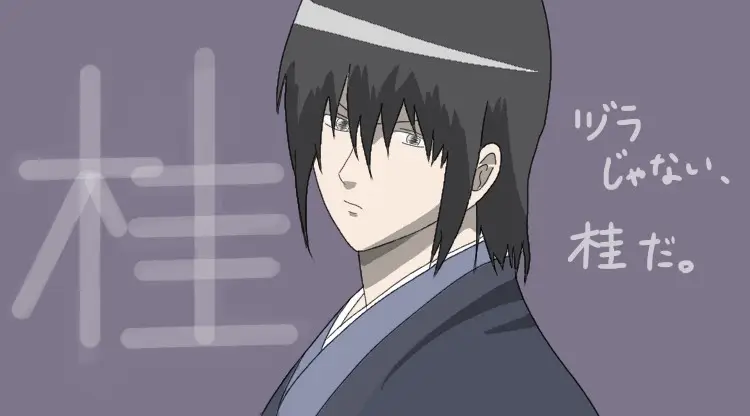
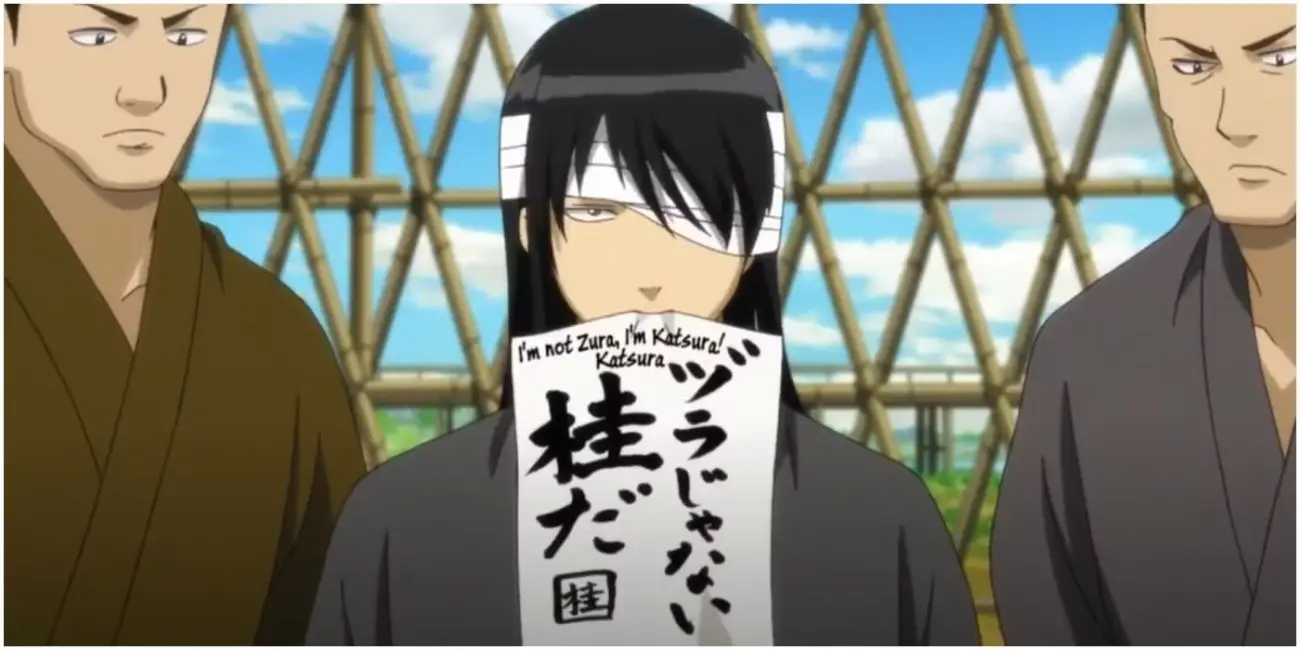
It is then that his iconic response comes in: "Zura ja nai, Katsura da", a constant correction to those who call him by that nickname. Even in ridiculous disguises or embarrassing situations, he insists on reaffirming his true name.
This catchphrase started as a simple joke, but quickly became part of the character's essence. It reinforces the contradiction between his serious demeanor and the comedic universe around him.
The symbolism behind the phrase
Although it seems silly, this repetition has a deeper meaning. It reflects the resistance to depersonalization, to the loss of identity, something quite present in Gintama. In a world where traditions and values are being crushed by modernity (represented by the Amanto and the oppression of the government), Katsura represents the struggle for the preservation of what is essential — the name, the history, the legacy.
Moreover, the constant correction serves as a way to maintain control amidst chaos. Even when everything is falling apart, he insists on keeping his identity intact. This generates empathy with the audience, as many of us also seek to preserve our essence even in difficult times.
The repetition of the phrase also creates a rhythm in the script, functioning almost like a comic mantra. Amidst so many variations and surreal episodes, it gives consistency and identity to the character.
Cultural influence and appeal among fans
Over time, “Zura ja nai, Katsura da” has transcended the limits of the anime. The phrase has become a meme, t-shirt slogan, catchphrase at anime conventions and even a reference in fan videos. In Japan and the West, this line has transformed into a symbol of the series, recognized even by those who do not follow Gintama.
It is also frequently used on social media, sometimes out of the original context, to indicate stubbornness, self-affirmation, or even as a joke among friends. Its spontaneous use shows how it has transcended the character and become part of otaku pop culture as a whole.
And that's not all: Katsura, with his insistence on correcting his nickname, teaches something subtle yet powerful — the importance of standing up for oneself, even when it seems silly. Reaffirming his name in a world that wants to label him is, in a way, an act of rebellion.
Why this phrase remains relevant
In a landscape saturated with generic characters and disposable phrases, the longevity of "Zura ja nai, Katsura da" shows its strength. It is more than a catchphrase — it is a declaration of identity. Katsura may be disguised as a lobster, a pizza delivery guy, or even dressed as a bride, but his essence never changes.
Furthermore, the phrase continues to be an inexhaustible source of jokes within the anime itself. Every time it appears, fans know that something hilarious — and perhaps profound — is about to come.
In a world where we are constantly trying to adapt, change, or hide to survive, perhaps the most revolutionary thing is to say, with conviction: “I am not a nickname. I am who I am.”




Community
Comments
0 comments
There are no published comments in this language yet.
Send comment