
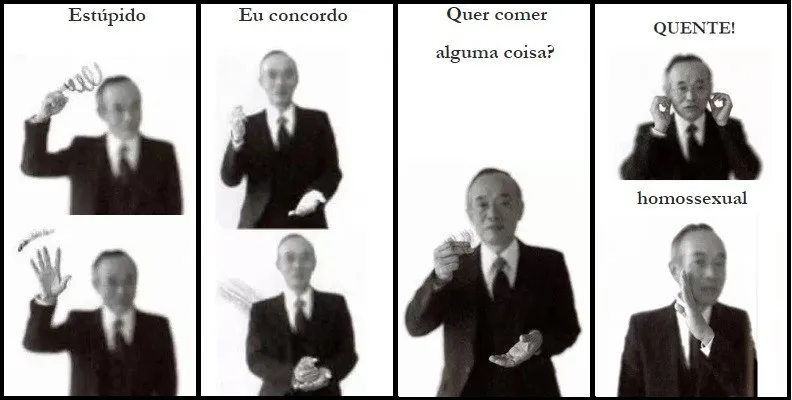
Body gestures in Japan are a fascinating part of communication and reflect the rich culture of the country. Different from Western gestures, they often have specific meanings and are used to express emotions, intentions, or instructions in a discreet and elegant manner. Understanding them can help not only in communication but also in cultural adaptation.
In Japan, small hand movements or bows can say a lot. In this article, we will address common gestures in two main categories: gestures of denial and warning and gestures of social interaction. Within these categories, we will detail each gesture individually to facilitate understanding.
Table of Contents
The Importance of Gestures in Japan
Gestures in Japan not only complement verbal communication but often replace words in situations where discretion or silence is valued. This is especially useful for foreigners who have not yet mastered the Japanese language. Learning these gestures not only improves communication but also demonstrates effort and respect for the local culture.
Moreover, Japanese gestures reflect the philosophy of harmony and respect that permeates society. Understanding their correct use can help avoid social blunders and create a deeper connection with locals.
Gestures of Denial and Warning
Cannot – Dame (ダメ)
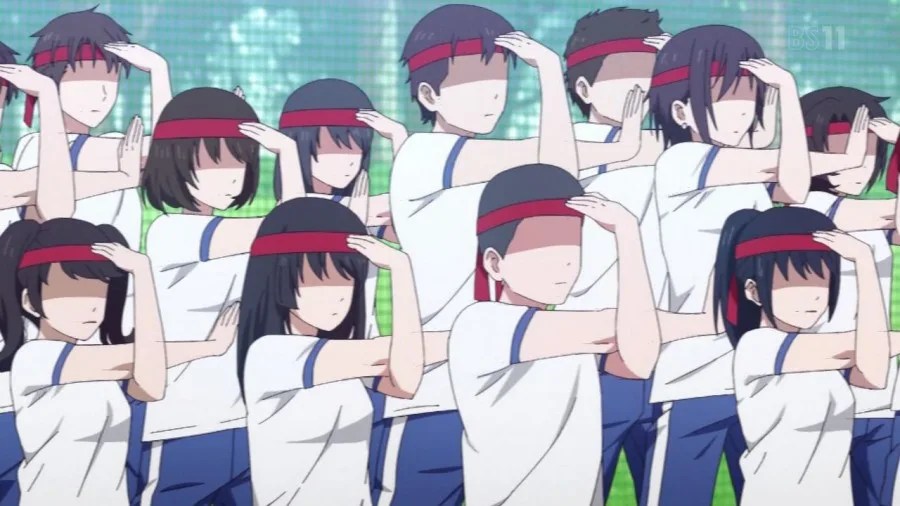
Crossing the arms to form an “X” in front of the body is a clear way to say that something is prohibited or unacceptable. This gesture is often used in formal or educational situations, such as by teachers to signal mistakes or by police to indicate restrictions.
No – Iie (いいえ)
With a quick movement of the right hand in front of the face, Japanese people indicate something negative or refuse an offer. Although simple, the gesture is powerful and widely recognized in daily life. It is important to remember that, culturally, refusing something with this gesture should be done delicately to avoid offense.
Wait – Chotto Matte (ちょっと待って)
Raising one hand with the palm facing forward, similar to a “stop” signal, Japanese people ask for patience or a moment to reorganize the situation. The gesture is commonly used in everyday interactions, especially in moments of hurry.
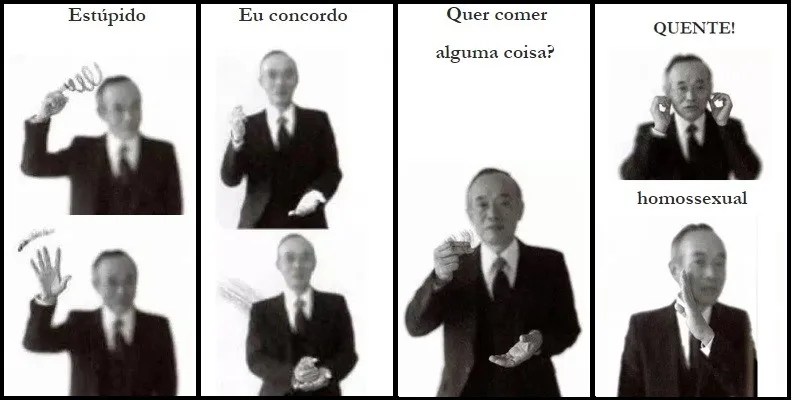
Gestures of Social Interaction
I – Watashi (私)
To refer to themselves, Japanese people traditionally touch or point to their nose. Although it may seem strange to Westerners, the gesture is deeply rooted in Japanese culture. Among younger people, however, pointing to the chest is becoming more common, influenced by Western style.
You – Anata (あなた)
To indicate another person, the palm of the hand is turned upwards and gently directed towards the individual in question. This gesture is more formal and polite, avoiding direct pointing with the finger, which can be considered rude.
Come here – Kotchi ni oide (こっちにおいで)
When calling someone, the hand movement is made with the fingers pointing downwards, pulling slightly inward. The gesture is very different from the Western one, where the fingers usually point upwards, and can confuse those who are not familiar with it.
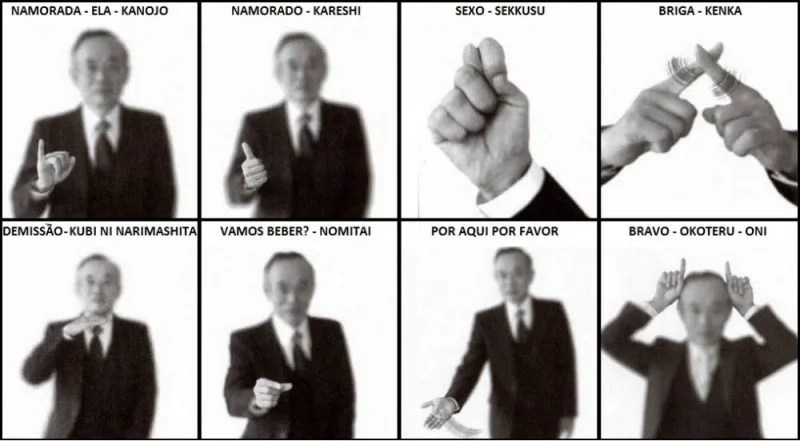
Symbolic and Cultural Gestures
Promise – Yubikiri (指切り)
Joining the pinky fingers of two people symbolizes the fulfillment of a promise in Japan. The gesture, known as Yubikiri, carries the meaning of commitment and trust, being widely portrayed in anime and dramas. Traditionally, the gesture was accompanied by a phrase suggesting punishment in case of breaking the promise.
Gratitude – Itadakimasu (いただきます)
Before starting a meal, it is common to join hands in a prayer position while saying “Itadakimasu“. This gesture expresses gratitude for the food and for the dedication of those who prepared it. It reflects the respect of Japanese culture for others’ efforts and for nature.
Apologies – Dogeza (土下座)
The Dogeza is an extreme way to apologize or show humility, where the person kneels and touches their forehead to the ground. Although it is a gesture rarely used in everyday life, it is still considered a symbol of deep regret in formal or cultural situations.

Gestures Related to Emotion
Shyness or Embarrassment – Tereru (照れる)
To indicate shyness or embarrassment, it is common for Japanese people to scratch or lightly touch the back of their neck. This subtle gesture is widely recognized and usually accompanied by a shy smile.
Anger – Ikari (怒り)
When irritated, Japanese people may clench their fists at their sides or cross their arms rigidly. Although discreet compared to other cultures, the gesture clearly conveys dissatisfaction or frustration.
Happiness – Yorokobi (喜び)
Raising both hands in the air and smiling, Japanese people express joy or celebration. This gesture is especially common at sporting events or collective celebrations.
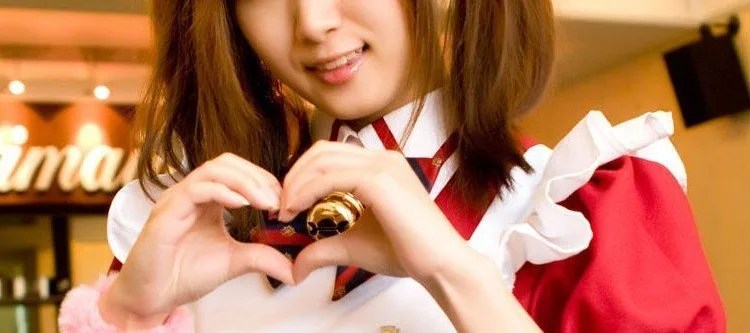
Gestures of Respect and Hierarchy
Bowing – Ojigi (お辞儀)
The act of bowing is the most iconic gesture in Japan, symbolizing respect, gratitude, or apologies. Depending on the context, the bow can vary from a slight arc (15 degrees) to a deep bow (90 degrees). Mastering the nuances of Ojigi is essential for any visitor.
Submission or Request – Shazai (謝罪)
When making an important request or showing regret, it is common to lower the head in respect. This gesture, less extreme than Dogeza, is widely used in formal situations, such as in the corporate environment.
Greeting – Keirei (敬礼)
A variation of Ojigi, Keirei is used for formal greetings, especially in the corporate world or at ceremonies. The bow is straighter and held for a few seconds, reflecting professionalism.

Playful and Informal Gestures
Rock, Paper, Scissors – Janken (じゃんけん)
Japanese people love to play Janken, equivalent to “rock, paper, scissors.” The gesture is used not only as a game but also to make decisions in a relaxed manner. Participants perform the game with synchronized movements and a traditional phrase: “Jan-ken-pon!”.
Pose – Peace Sign (ピースサイン)
Making the “V” sign with the fingers is very popular, especially in photos. Although it originated in the West, the gesture has been widely adopted in Japan as a symbol of positivity and fun.
Request for Favor – Onegaishimasu (お願いします)
When politely asking for something, it is common to join hands at chest height, as in a prayer. This gesture conveys humility and sincerity, being used in situations ranging from simple requests to formal solicitations.
Other Important Gestures
Money – Okane (お金)
Making a circle with the index and thumb fingers is the most common way to symbolize money in Japan. This gesture is used in stores, negotiations, and even in informal conversations. Unlike Brazil, it is not considered offensive.
Calm Down – Ochi Tsuite (落ち着いて)
With palms facing down, Japanese people slowly wave their hands up and down to convey calmness and patience. This gesture is often used in tense situations, such as during discussions or moments of nervousness.
Okay – Daijoubu Desu (大丈夫です)
Using the same circle with the fingers that symbolizes money, but with the palm facing forward, Japanese people signal that everything is fine or that something has been resolved. It is a gesture of tranquility and affirmation, very common in friendly interactions.

Conclusion
Understanding body gestures in Japan not only facilitates communication but also offers a unique opportunity to delve into the culture of the country. Mastering these movements is a sign of effort and respect, something highly valued by the Japanese. We hope this guide helps you feel more confident when interacting in Japan. If you want to learn more, check out other cultural tips we have available!

Leave a Reply