

Studying Japanese alone can be a great challenge, but it is also one of the most rewarding ways to learn. Independence in study allows for flexibility but requires discipline and well-defined strategies. The tips below help you avoid common mistakes when you teach yourself Japanese.
Contents 9
Where to Start?
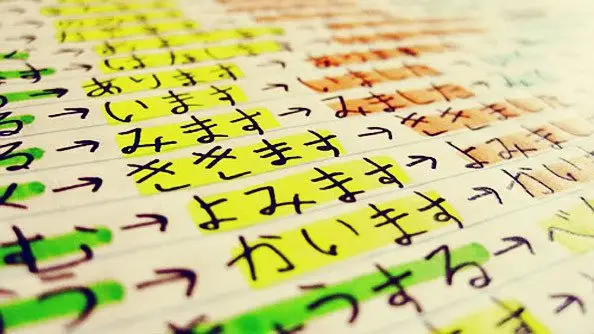
Many people feel lost at the beginning, not knowing where to start. First hiragana, then katakana: without the syllabaries, every textbook stays stuck in romanization. The next step is to choose a quality material that aligns with your level and learning style. There are free resources available, such as apps, websites, and YouTube videos. Some of the most recommended are:
- Genki for structured study.
- Duolingo and LingoDeer for casual study.
- YouTube grammar videos, such as those from Japanese Ammo with Misa.
- Hiragana and katakana practice before you open a full textbook.
After choosing, focus on completing one module at a time, extracting the most from the material before moving on. Avoid skipping steps; mastering the fundamentals is crucial. If you are unsure what comes first, a practical sequence is in Where to start studying Japanese, and in what order?.

When Study Becomes Monotonous
It is common for initial enthusiasm to wane and study to become tiring. This happens because learning requires endurance, something that develops over time. One way to keep boredom from settling in is to alternate different activities:
- Light reading: Magazines, manga, or news in simple Japanese, such as NHK News Web Easy.
- Audio: Listen to Japanese podcasts or music.
- Active practice: Write sentences or try to form simple dialogues.
Varying activities helps maintain interest and avoids stagnation.

Developing Endurance
To study consistently, it is important to associate Japanese with things you enjoy. If you love anime, choose episodes with Japanese subtitles to train reading and listening. More on that in Can you learn Japanese by watching anime and dramas?. If you are a fan of Japanese pop culture, follow Japanese websites and forums, even if you understand little at first.
Practical tip: Set aside at least 20 minutes a day for something enjoyable related to Japanese. This helps create a habit and increases your endurance over time.

Planning a Study Routine
When motivation fails, a schedule can be the solution. Set aside a day to try different activities, such as reading, listening, and writing. After that, organize your preferences and build your routine:
- Choose activities you enjoy and distribute them on fixed days.
- Include at least one activity that you find more difficult.
- Maintain a fixed time to study.
Example of a simple routine:
- Monday to Friday: 1 hour of study at night (30 min of grammar and 30 min of reading).
- Weekends: Watch videos or practice writing. Flashcards, such as Anki, fit well into the review.
Beware of Overexcitement
It is normal to feel excited at the beginning, but be careful with unrealistic expectations. Many start thinking that in a few months they will be fluent, which can lead to frustration. Studying Japanese is a slow journey, like climbing a mountain. Focus on small and consistent progress.

Self-Discipline and Realistic Goals
Studying alone requires self-discipline. This means:
- Setting schedules and sticking to them.
- Eliminating distractions during study.
- Being realistic about what you can learn in a given period.
A clear goal is what will keep you on track. Do you want to watch anime without subtitles? Travel to Japan? Interact with natives? Use this goal as daily motivation.

Make Friends and Challenge Yourself
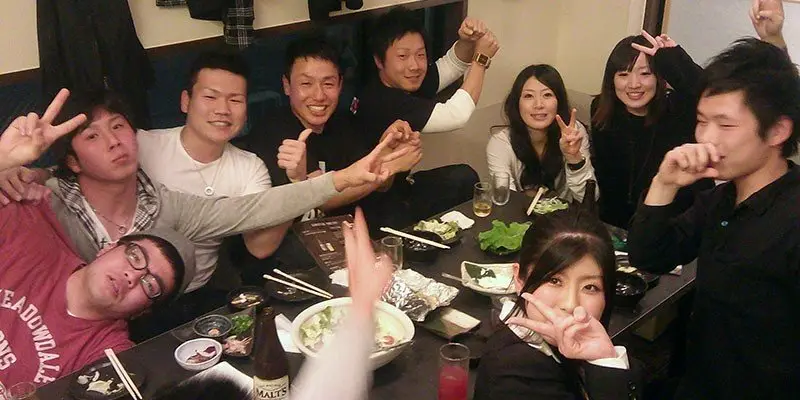
Interacting with other Japanese learners is valuable. Besides helping to practice the language, creating a friendly rivalry can boost your progress. Join online study groups or social networks focused on language learning, such as Discord or Reddit.
If you cannot find people to interact with, keep studying anyway. Your goal should be the main focus, regardless of who is around you.
Don't Make Excuses to Avoid Studying
It is easy to fall into self-deception with excuses like:
- "I don't have time."
- "I study too slowly."
- "Other people learn faster than I do."
The truth is that learning Japanese requires time and energy. Even if you only have 30 minutes free per day, use that time to study. Small daily steps are better than not moving at all.
Find What Fits You
Of course, certain methods may or may not work for you; the best thing is to find what fits your profile the most. An exchange in Japan can be an option when you prefer studying with other people around.
Love the language, set realistic goals, and make learning a pleasurable part of your day. Consistency is more important than speed.
Happy studying and ganbatte!





Community
Comments
0 comments
There are no published comments in this language yet.
Send comment