
Hiragana and katakana are the two syllabaries of Japanese. Beginners often treat them as one big alphabet, when in fact they are two systems with clear jobs. Hiragana carries grammar and native words, while katakana handles loanwords, sound effects and emphasis. This guide explains how the characters are built and which methods get you reading and writing them confidently within a few weeks.

Contents 13
What hiragana and katakana actually are
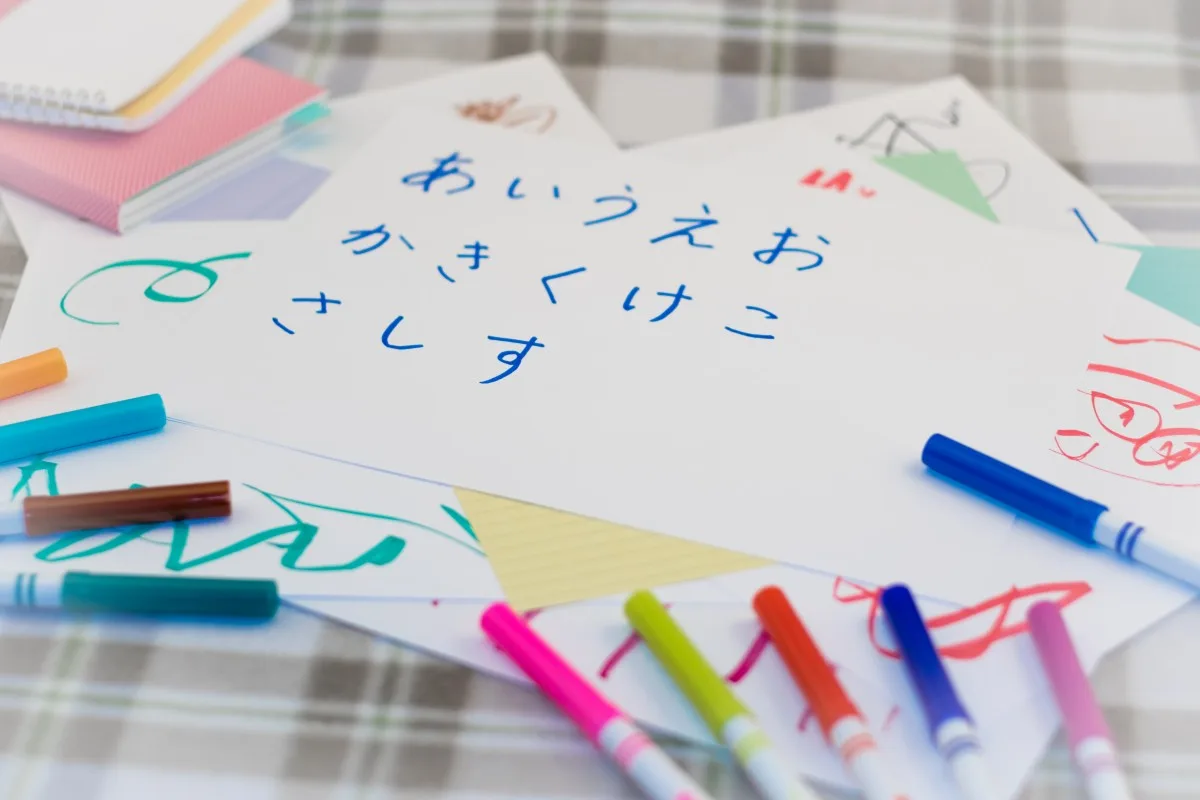
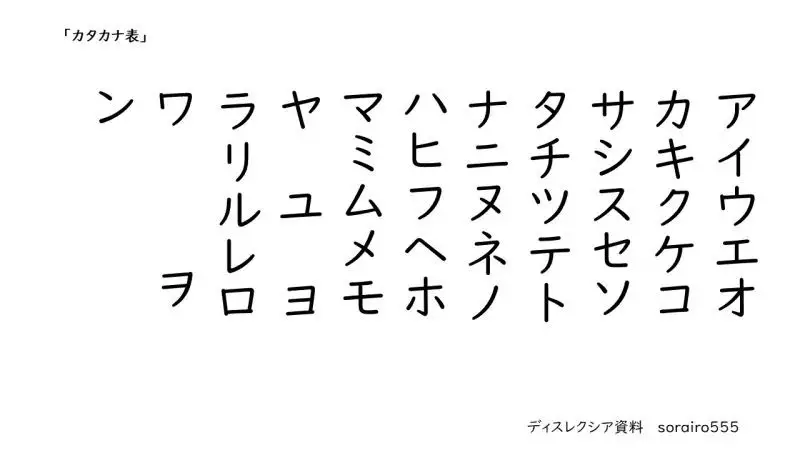
Each script has 46 basic characters. With the dakuten and handakuten marks, 25 more appear, which takes the total to 71 symbols per script. Both scripts cover the same sounds but look different: hiragana is rounded and flowing, katakana is angular and straight. The order of the chart matters too. It does not follow the alphabet, it follows gojūon order: characters are arranged in rows by vowel, starting with a, i, u, e, o, then ka, ki, ku, ke, ko and so on. Once you see this structure, the chart becomes easier to learn and easier to search.
Tip 1: Start with a clear study plan
A course or a structured plan helps because it sets an order and provides exercises. It does not have to be expensive. Free introductions, textbooks and video courses all walk through the characters step by step. What matters is that the plan includes reading and writing practice, not only explanations. If you can organise yourself, a chart, a notebook and a fixed daily slot often work just as well.
Tip 2: Read the charts in gojūon order
Put the chart where you see it often or save it on your phone. Read the rows and columns, not just the individual characters, because that is how the system settles in. Pay attention to the shape, stroke count and sound of each character. Once you can read the chart as a whole, you recognise new characters faster and look them up less often.
Tip 3: Write with the correct stroke order
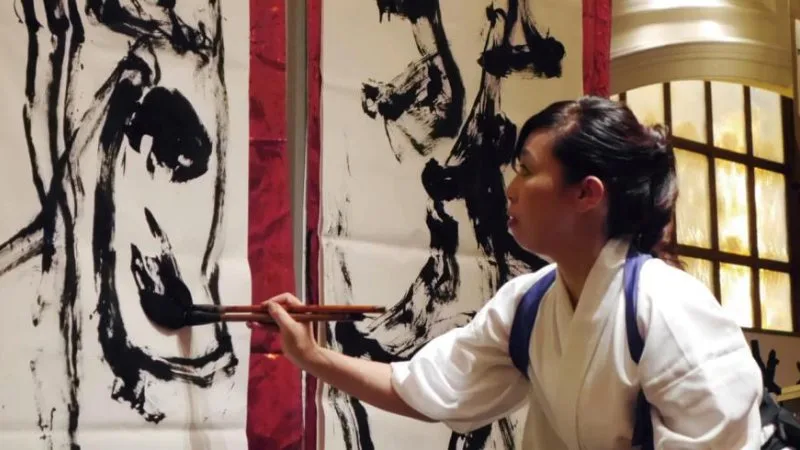
Writing is not an outdated detour, it trains muscle memory. Stroke order matters because it explains the shape and keeps your handwriting readable. A grid notebook or a calligraphy book helps with proportions. Do not rush through twenty characters; write a few slowly and deliberately. Once the form is stored correctly, you confuse fewer characters later.
Tip 4: Use flashcards and spaced repetition
Flashcards are especially effective for kana because there are only two things to learn: shape and sound. One side shows the character, the other the romanisation. Spaced repetition shows difficult cards more often and easy cards less often. Apps such as Anki or Memrise automate this, but paper cards and a simple review schedule work too. Daily short reviews beat one long session per week.
Tip 5: Learn words and short texts, not isolated characters
Characters alone are not enough, because the brain needs meaning. Learn short words early, such as ねこ (cat), そら (sky) or あなた (you), and read simple sentences. Children's texts, short picture stories and reading passages with furigana help without requiring kanji knowledge. This links characters to meaning and repetition, so what you learn stays longer.
Tip 6: Use games
Games add variety and repetition without boredom. Learning games such as Hiragana Battle, Kana Invaders or Learn Japanese to Survive train reading speed and recognition. They do not replace a plan, but they work well on days when motivation is low. A simple card or memory game with kana works too.
Tip 7: Use apps deliberately
Apps are handy for short sessions on the go. Duolingo, Renshuu, Memrise and Anki serve different needs: some guide you through a course, others focus on review. Check that the app also asks you to write or read characters, not only tap multiple choice answers. One app alone is rarely enough, combine it with writing on paper.
Tip 8: Watch videos and listen to songs
Listening fixes pronunciation, and songs lock in the order of the chart. Japanese children's songs and kana songs on video platforms repeat the characters in the right order. If songs are not your thing, listen to short reading passages at a slow pace. Perfect pronunciation is not the goal in the first weeks; rhythm and sound patterns are, so that reading the kana does not stay purely theoretical.
Tip 9: Separate similar characters on purpose
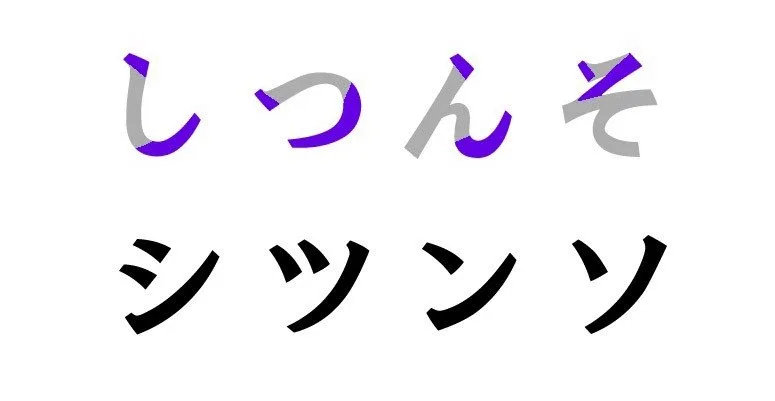
Some characters look confusingly alike: shi and tsu, so and n, ru and ro, or wa, ne, れ and わ. Write such pairs side by side and look at the difference in the starting point and the direction of the curve. Stroke order helps more than staring, because it explains why the shapes differ.
Tips 10 to 13: Routine and persistence
Four more points make the difference. First, a fixed daily slot of ten to fifteen minutes beats three long sessions a week. Second, breaks and sleep are part of learning, because memory consolidates while you rest. Third, if you can, get occasional feedback from a teacher or study partner, especially on pronunciation and handwriting. Fourth, write your own name and everyday words in kana. It is motivating and shows immediately what you are learning for.
Is the ten-day plan realistic?
Ten days is a good target for someone who invests one to two hours a day and focuses on recognising and writing. With only ten minutes a day, three to six weeks is more realistic. Both are normal. Progress comes from regular repetition until reading becomes smooth, not from a fixed deadline.
Conclusion
Hiragana and katakana are learnable when you combine structure, writing and repetition. The most important point is the gojūon order of the charts, the second is a short daily study block. Courses, flashcards, games, apps and songs help, but they do not replace your own practice. If you can read short words after two or three weeks, you have reached the goal this guide is about.
More on kana and kanji: the kana guide to hiragana and katakana, all about hiragana, telling similar katakana apart, tips to learn katakana and hiragana and katakana in the same word.


Community
Comments
0 comments
There are no published comments in this language yet.
Send comment