
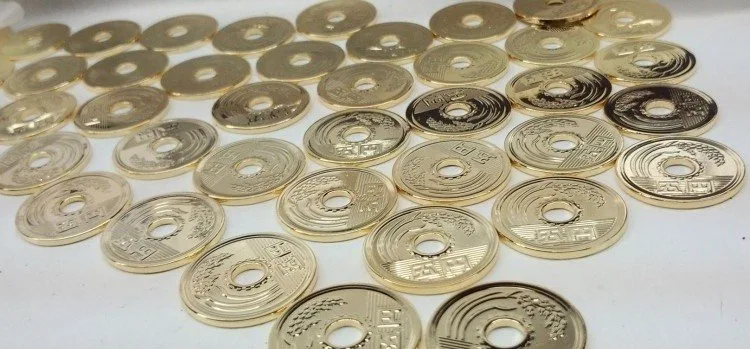
Planning a trip to Japan, most people obsess over trains and temples — and leave the yen in the wallet as a last-minute errand. That choice shows up on day one: either you walk out of the airport with cash for the train and a snack, or you stand at a currency desk paying a painful spread for a stack of bills you did not need to carry from home.
Japan is no longer “cash only,” but small restaurants, shrine shops, rural stops, and some machines still refuse foreign cards. A simple mix works better than one “perfect” method: a little yen for arrival, a card that can withdraw at international ATMs, and a second payment option as backup.
Contents 10
Ways to take money to Japan
Currency exchange desks: handy, often expensive
Changing money at a bureau before you fly is the classic move, but rarely the cheapest. Spreads over the market rate are common, and smaller branches may stock limited yen. Airport counters — at home or in Japan — often make those spreads worse.
- When it helps: a modest starter amount for arrival, a taxi if needed, a snack, or a ticket machine if the first ATM misbehaves.
- Be careful: exchanging a large share of your budget at the airport when you already carry a card that works abroad.
Some travelers order yen online for pickup before departure. That can beat a walk-in counter — only if you actually want cash on landing and you understand every fee in the quote.
International debit and bank cards: yen from ATMs
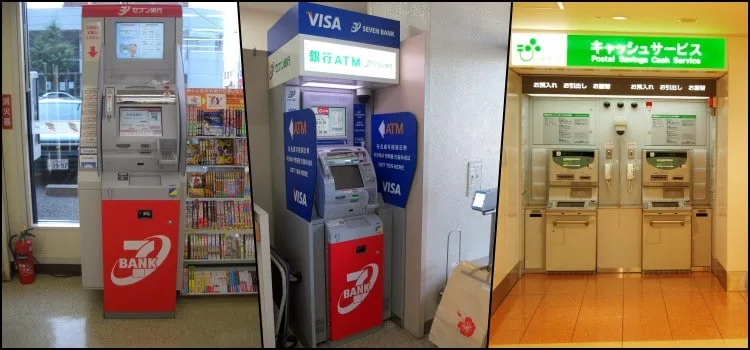
Many visitors withdraw yen after they arrive. The most reliable machines for foreign cards are Seven Bank ATMs inside 7-Eleven stores: they take major international debit and credit networks (including Visa, Mastercard and related brands) and often run around the clock. Japan Post ATMs also accept many overseas cards, and some machines in FamilyMart or Lawson do as well — coverage varies by location.
- Advantages:
- You carry less cash at once.
- ATM rates are often better than bureau desks — if you refuse dynamic currency conversion and complete the withdrawal in yen.
- Menus commonly include English and other languages.
Before you fly: turn on international use, know your PIN (many machines expect four digits), and check daily or weekly withdrawal limits with your bank. Your issuer may also charge foreign-transaction or cash-advance fees — worth asking before you make many small withdrawals. Keep a physical card; not every counter accepts contactless or mobile wallets from overseas.
Credit cards and multi-currency accounts: spend and back up
Credit cards help with hotels, larger stores, stations, and online bookings. Visa and Mastercard are the most widely accepted; other networks depend more on the merchant. Expect foreign-transaction fees from many home banks — or use cards and multi-currency accounts that convert at a transparent mid-market rate.
- When they shine:
- higher-value purchases and hotel payments,
- backup if one card fails at an ATM,
- online payments and reloads where cards are accepted.
Do not rely on plastic alone: in less touristy neighborhoods and some casual eateries, cash is still the default. Multi-currency cards and accounts — services such as Wise are one option travelers use — can lower conversion costs for withdrawals and spends; still compare limits and fees with your own bank.
Why cash still matters in Japan
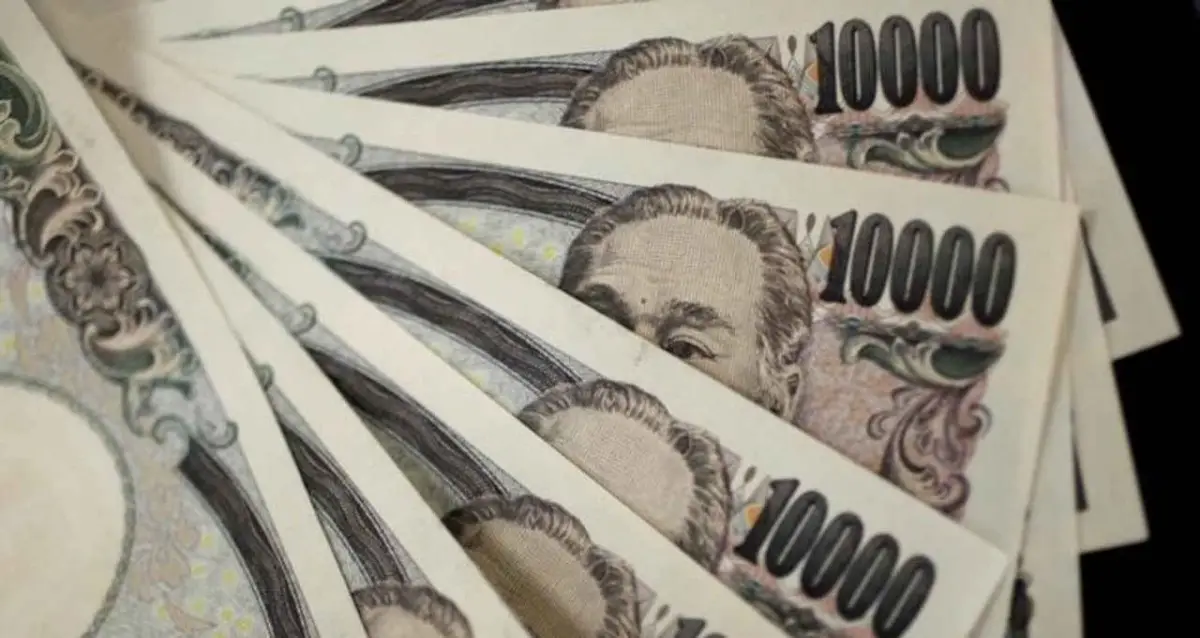
Card and cashless options keep growing, especially in big cities. Even so, you will often need yen in hand for smaller restaurants, temple shops, some vending machines, and places that only show a cash sign. Smaller bills and coins (1,000-yen notes, 100- and 10-yen coins) make ticket and drink machines easier; not every shop wants to break a 10,000-yen note for a tiny purchase.
Many travelers land with a moderate starter sum and top up later — instead of carrying the whole trip budget in cash from home. For a wider cost picture, see how much a trip to Japan can cost. Practical prep beyond money is covered in things to know before traveling to Japan, and if you want to recognize the currency itself, start with the coins and notes of Japan.
Strategies that cut fees and stress
Combine methods
A practical stack: a little starter cash, one enabled debit or multi-currency card for ATMs, plus a second card for emergencies. Store cards in separate places so one lost wallet does not strand you.
Batch your withdrawals
Fixed fees per transaction make frequent tiny cash-outs expensive. Prefer larger withdrawals within your limits instead of daily 5,000-yen trips. At the screen, always confirm amounts in yen and decline conversion into your home currency if the machine offers it.
Know limits and your PIN
Banks often cap weekly or monthly overseas withdrawals. Confirm that before departure — and practice the PIN. Some ATMs struggle with long PINs. Save issuer emergency numbers and make sure your banking app works offline enough for travel alerts when possible. Tell your bank you will be abroad so fraud systems do not freeze the card on first use in Japan.
Quick checklist before you fly
- Two independent payment paths (for example card A + card B, or card + some cash).
- International access enabled, limits known, PIN tested.
- First yen withdrawal planned at the airport (Seven Bank / 7-Eleven) or the first convenience store.
- Small bills and coins ready for everyday machines and counters.
Taking money to Japan is not about hauling your entire holiday in paper. It is about securing access to yen — cash for daily friction, cards for bigger spends, and ATMs for refills. With that mix you stay mobile without locking in the worst exchange rate of the week at the airport counter.





Community
Comments
0 comments
There are no published comments in this language yet.
Send comment