
Sake can look like one drink from afar. Follow it from Kobe's Nada district to Kyoto's Fushimi, then north to Hokkaido or west to Hiroshima, and the picture changes: water, rice, climate, and local practice leave their mark on every brewery.
These ten names offer a useful route through that landscape. Some have museums or visitor facilities; others are better known for the bottles and local history they represent. Before making a special trip, always check the brewery or local tourism office for current opening days, reservations, and tasting rules.
Contents 10
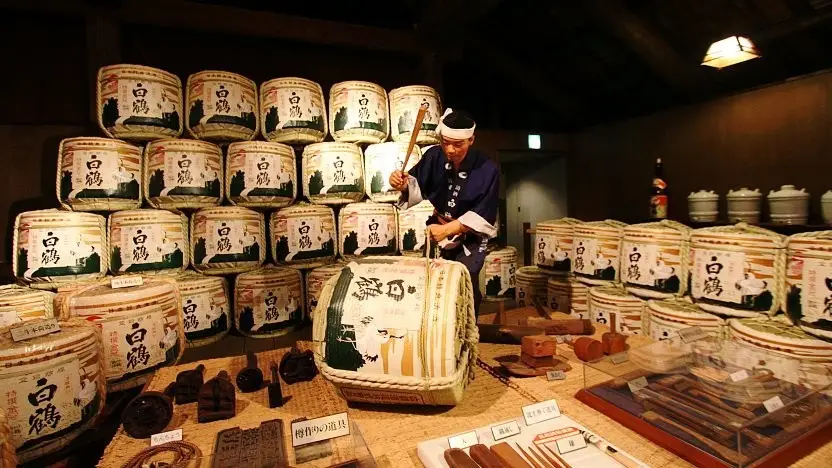
Hakutsuru (Nada, Kobe)
Hakutsuru is one of the best-known names in Nada, Kobe's long-established sake-brewing area. Founded in 1743, it is closely associated with the region's water, transport links, and large-scale brewing tradition. Its brewery museum is a particularly approachable stop for a first encounter with the tools and work behind sake production.
Start here if you want context before choosing a bottle. The museum setting makes it easier to connect familiar labels with the rice-steaming, fermentation, pressing, and storage stages that shape the finished drink. For a tasting or a tour, confirm the current visitor information rather than relying on old travel advice.
Gekkeikan Okura (Fushimi, Kyoto)
Gekkeikan traces its history to 1637 and remains one of the defining names of Fushimi, Kyoto's famous sake district. The Gekkeikan Okura Sake Museum focuses on the equipment and setting of traditional brewing, giving the visit a stronger sense of place than a simple shop stop.
Fushimi works well for readers who want to make sake part of a Kyoto day rather than chase a single destination. The district has canals, old merchant streets, and several breweries nearby. Give the museum time, then use what you learned to compare a few styles of Japanese sake with more confidence.
Sawanotsuru (Nada, Kobe)
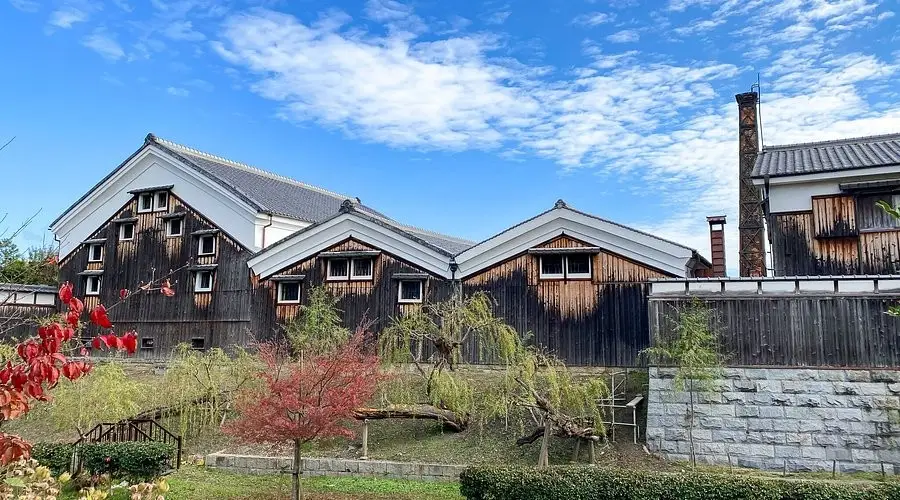
Sawanotsuru, founded in 1717, is another important Nada brewery. Its museum preserves the atmosphere of older sake-making and helps explain why Nada became such a major production area. The story also carries a reminder that breweries are part of local communities, not only brands on a shelf.
For travelers building a Kobe itinerary, Sawanotsuru is worth considering alongside Hakutsuru rather than as a duplicate. Looking at two museum collections can reveal how much of sake's identity comes from regional conditions and how much comes from each brewery's own methods. Check current access and tasting details directly before going.
Sakuramasamune (Nada, Kobe)
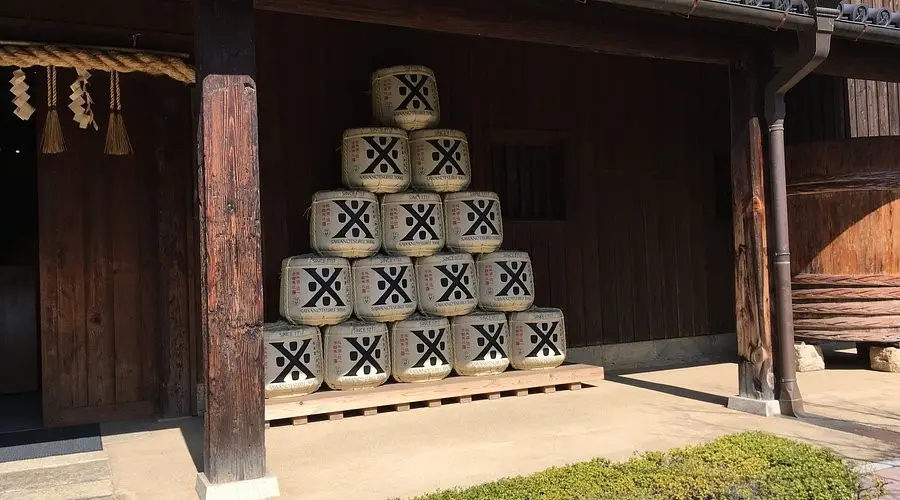
Sakuramasamune has brewed in Nada since 1625. Its long history makes it a useful name to know when exploring the relationship between Kobe, rice, water, and sake. The brewery's Sakura-en complex brings together a restaurant, shop, and sake-related displays, so the visit can fit naturally into a food-focused day.
Sake is easier to understand at the table than in a tasting note alone. Pairing it with Japanese food can show why a light, fragrant style and a richer, rice-forward one call for different dishes. Availability and restaurant service change, so treat the official schedule as the final word.
Sudo Honke (Kasama, Ibaraki)
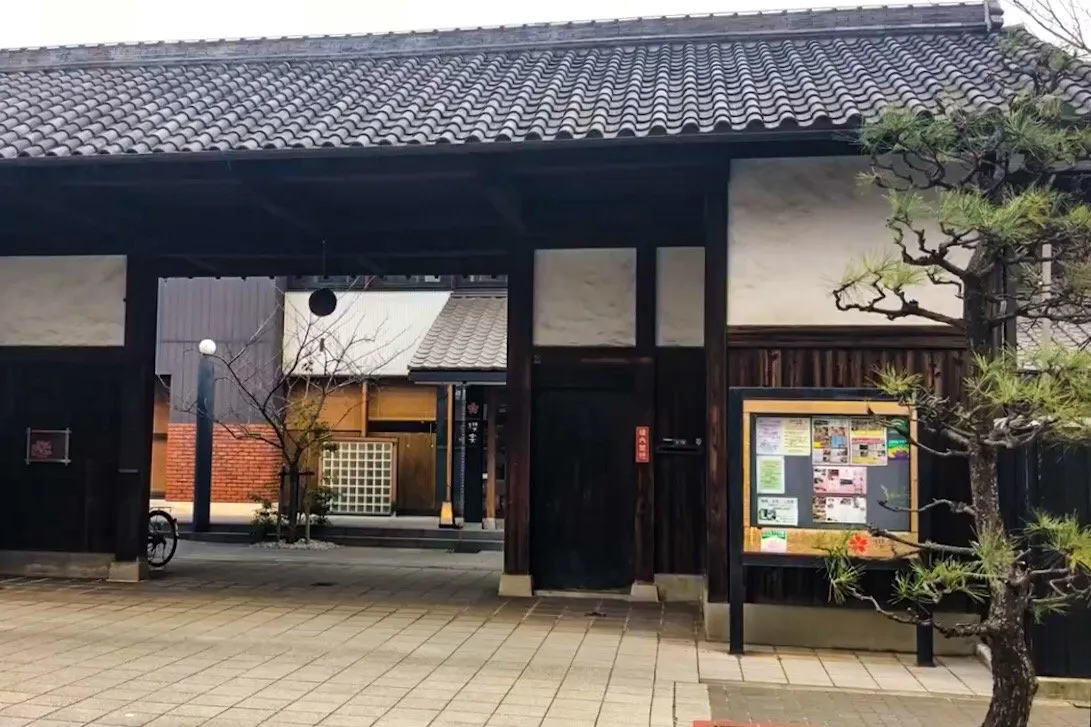
Sudo Honke in Kasama traces its roots to 1141 and is often introduced as Japan's oldest sake brewery. Whether you are drawn by that claim or by the family's long continuity, it represents a different side of sake travel: a rural producer whose history reaches far beyond the better-known Kyoto and Kobe routes.
This is a name to approach with patience. A historic brewery is not automatically a walk-in attraction, and the appeal may be the sake itself rather than a formal visitor program. If you plan to include Kasama in a trip, verify arrangements in advance and leave room to explore the surrounding pottery town as well.
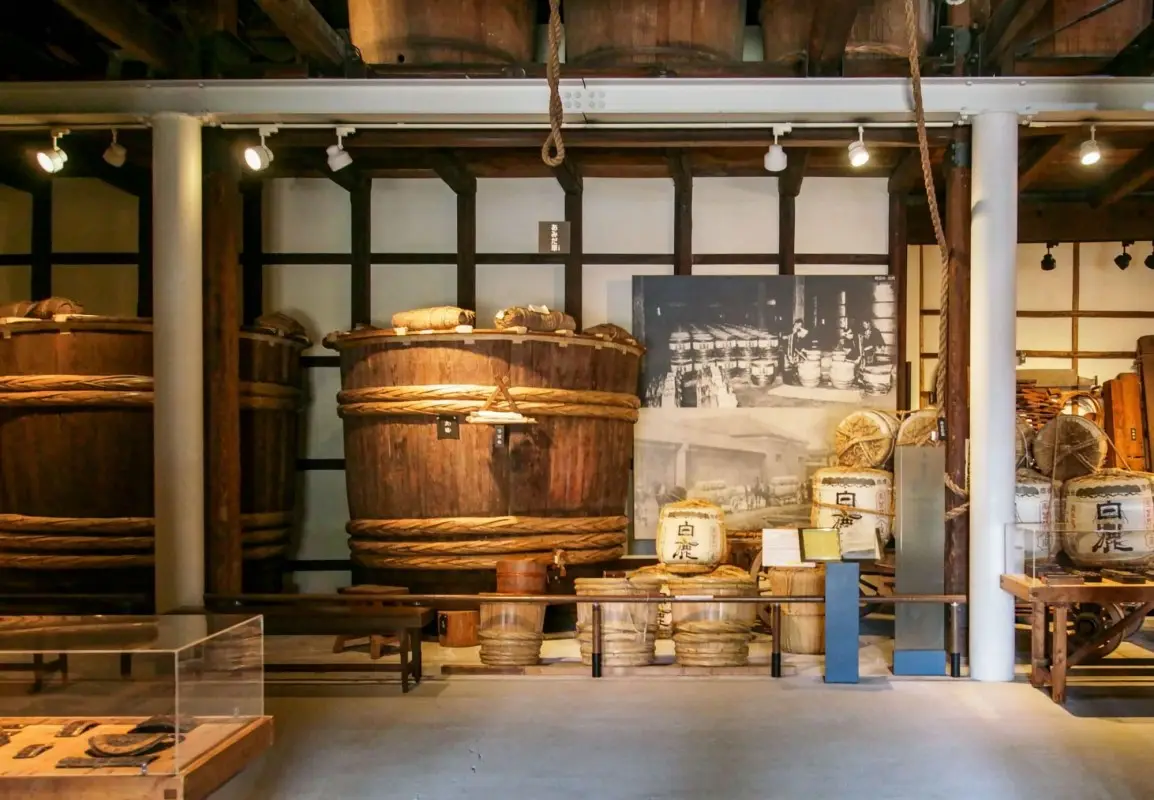
Hakushika (Nishinomiya, Hyogo)
Hakushika is a Nishinomiya brewery founded in 1662. Its association with the Rokko area and Nada's brewing culture makes it a natural stop for readers who want to understand why Hyogo remains central to Japanese sake. The Hakushika Sake Museum presents tools and materials from the trade in an accessible form.
It also provides a useful counterpoint to larger museum visits in Kobe. Instead of treating every brewery as the same experience, look for the local story each one tells: water source, old buildings, trade routes, or a particular relationship with food. That approach keeps the journey from becoming a checklist of labels.
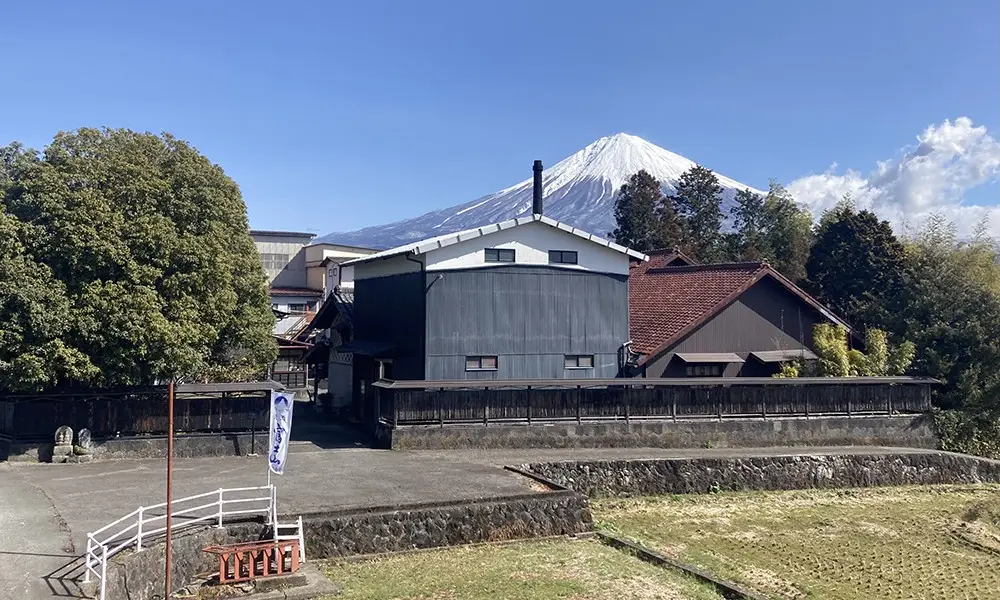
Makino Sake Brewery (Fujinomiya, Shizuoka)
Makino Sake Brewery in Fujinomiya is known for the Fuji-area water that feeds its brewing. The location changes the mood of this stop: instead of an urban brewing district, the appeal is the connection between a local producer and the landscape around Mount Fuji.
That does not mean every visit will follow the same script. Brewing calendars, shop hours, meals, and tours can shift with the season. Plan around the brewery's current information, then use the stop as a chance to compare how a Shizuoka sake feels beside bottles from Nada or Fushimi.
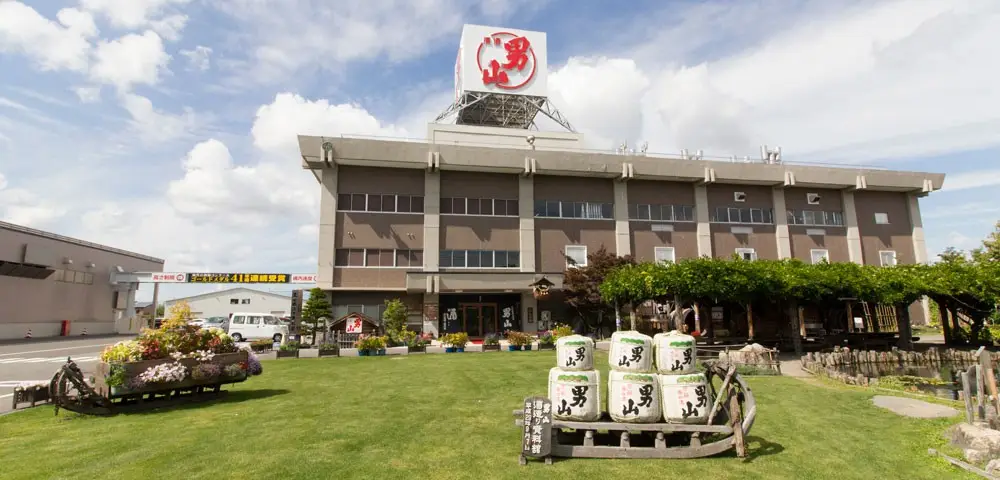
Otokoyama (Asahikawa, Hokkaido)
Otokoyama in Asahikawa brings the guide north to Hokkaido. The brewery's history reaches back to the seventeenth century, while its local setting invites a different question: how does a colder climate sit alongside the familiar story of rice, water, and fermentation?
Its museum collection includes ukiyo-e and material related to sake culture, which gives the visit more than a product focus. It is a good choice for travelers already passing through Asahikawa, especially when they want to connect food and drink with the city rather than treating sake as something found only in Kyoto or Kobe.
Imada Shuzo (Akitsu, Higashihiroshima)
Imada Shuzo is based in Akitsu, Higashihiroshima, a city with a deep brewing tradition. It is closely associated with Miho Imada, whose work has brought attention to local rice and to the possibilities of Hiroshima sake. The smaller scale gives this entry a different character from the major historic houses in Nada and Fushimi.
For readers interested in how regional identity stays alive, this is one of the most compelling names on the list. Look for the brewery's current visitor guidance before setting out; if a visit is not possible, the sake still offers a way to explore the Hiroshima style through a carefully chosen bottle.
Fuji Shuzo (Izumo, Shimane)
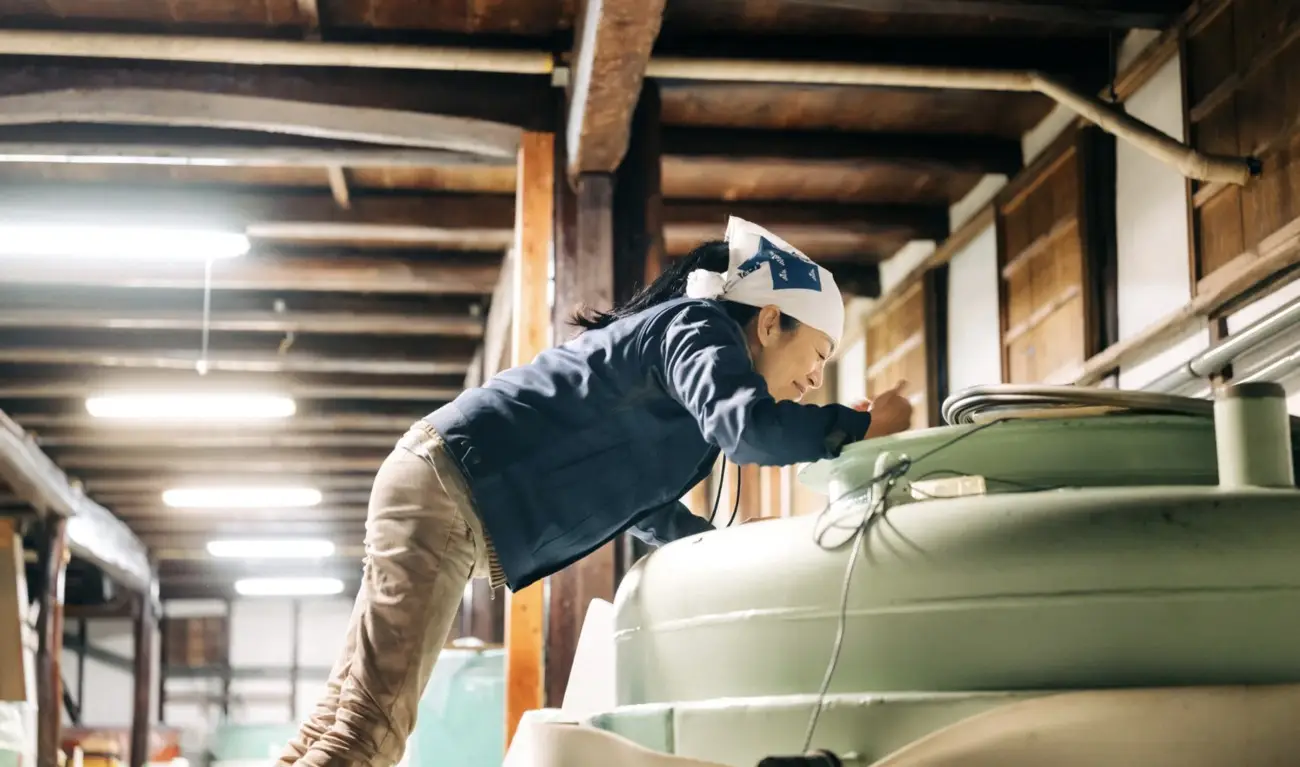
Fuji Shuzo in Izumo is known for the Izumo Fuji label and places the final stop in Shimane, a region where sake sits naturally beside old shrine traditions and local food. Izumo's cultural landscape gives the brewery a different frame from a big-city museum or a tightly packed brewing district.
Use it as a reason to slow the route down. A bottle, a local meal, and time in Izumo can say more about regional sake than a rushed attempt to collect ten tastings. The practical rule remains the same: confirm whether the brewery itself is open to visitors before making it a fixed stop.
There is no single best brewery for every traveler. Nada and Fushimi suit readers who want museums and dense historic districts; smaller regional makers reward people who have time to follow one local style. Wherever you go, drink responsibly and let the place—not a ranking—shape the choice.




Community
Comments
0 comments
There are no published comments in this language yet.
Send comment