
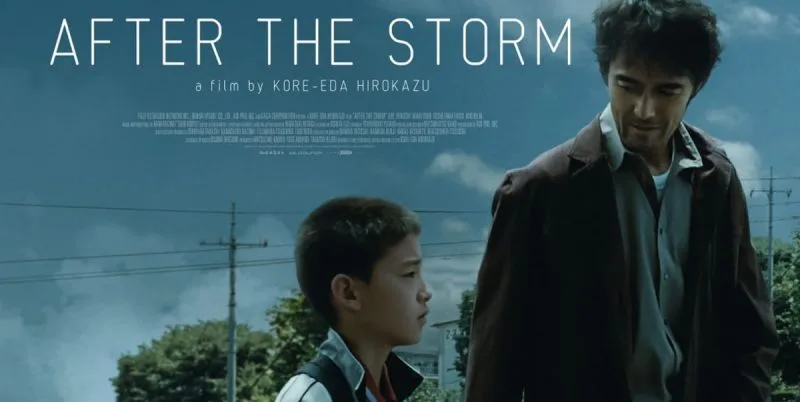
Life is not always as we planned when we were children, and today's recommended movie speaks directly to that feeling. After the Storm (Umi yori mo mada fukaku) is another moving work directed by Hirokazu Kore-eda, one of the most sensitive storytellers in contemporary Japanese cinema. Rather than relying on grand spectacles or dramatic climaxes, the film finds its power in the quiet moments of ordinary lives.
Contents 3
Synopsis of After the Storm
Japan is about to be struck by the twenty-third typhoon of the season. In a modest Tokyo housing complex (danchi), the elderly matriarch Yoshiko lives alone following the recent death of her husband. She receives visits from her two adult children: Ryota, a once-promising novelist whose career stalled after winning a literary prize years ago, now scraping by as a private detective and struggling with a gambling habit, and his elder sister Chinatsu, who tries to maintain family decorum despite her own financial strains. When Ryota's ex-wife Kyoko and their young son Shingo arrive, the approaching storm traps the fractured family together for an unexpected night under one roof.
What Makes After the Storm Special
What makes After the Storm remarkable is how effortlessly it fosters empathy for every character. From young Shingo to grandmother Yoshiko, they feel like people observed directly from everyday life, giving the viewer the quiet sensation of witnessing real moments rather than a staged script. Kore-eda, who also wrote the screenplay, gives each family member space to express their quiet regrets and show how they navigate Ryota's shortcomings.
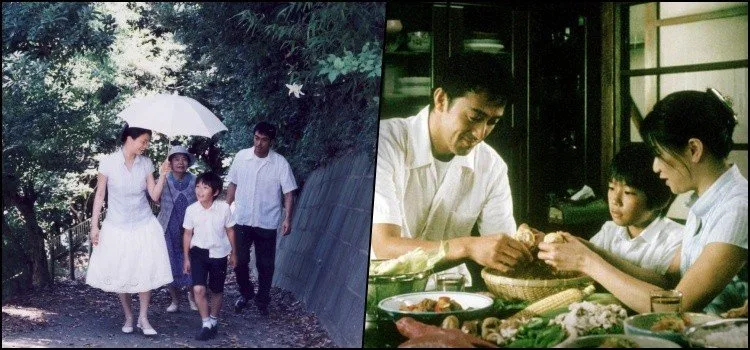
Without giving away spoilers, much of the emotional weight rests on Hiroshi Abe's performance as Ryota. Abe manages to evoke genuine sympathy for an exasperatingly flawed protagonist, making the audience care for him even as he squanders money on bicycle races instead of fulfilling his child support obligations. Admirers of Kore-eda's classic family drama Still Walking (Aruitemo Aruitemo) will find that same gentle honesty here, elevated by the late Kirin Kiki's luminous presence as the pragmatic mother.
Reflections and Final Verdict
At its core, After the Storm is a reflective film about coming to terms with who we have become, accepting that adulthood rarely matches childhood ambitions, and recognizing the quiet ripples our choices leave on those we love. The details of domestic Japanese life, from home-cooked meals to thrift in a dated apartment, enrich the drama at every turn.
Viewers accustomed to rapid pacing or overt melodrama may find the film quiet and restrained. Yet for anyone drawn to thoughtful character studies, the authentic settings, nuanced performances, and perceptive writing make it a deeply rewarding experience. It is a wonderful entry point for those wanting to explore the reflective traditions found across the history of cinema in Japan.


Community
Comments
0 comments
There are no published comments in this language yet.
Send comment