
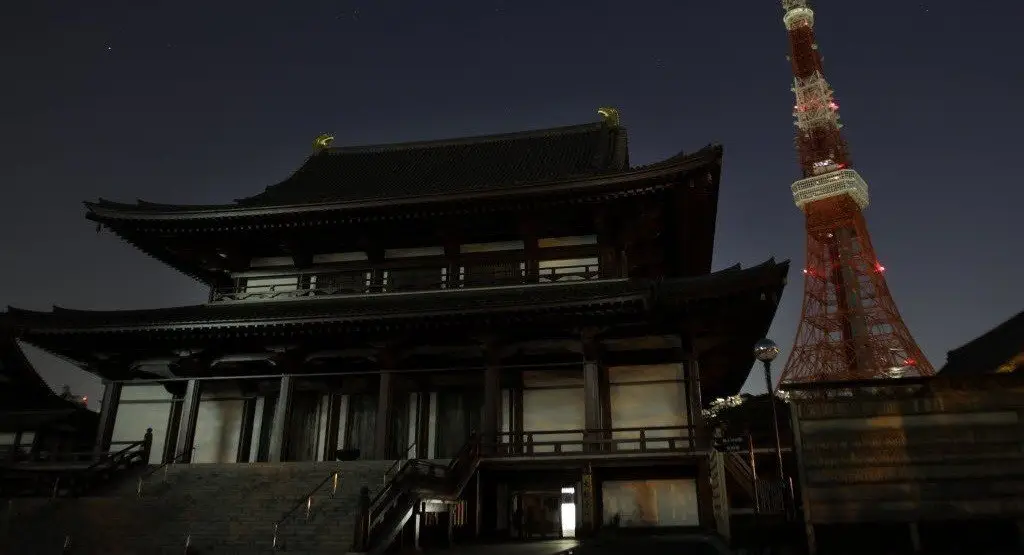
Many readers search for dark Japanese names because they want something mysterious, poetic, or intense. The problem is that “dark” can mean very different things in Japanese naming. Some names use kanji that point directly to darkness, while others feel dark because they evoke night, shadow, mist, dusk, or an austere mood.
That nuance matters. A name can sound elegant and believable in Japanese, or it can sound like something made only for a villain, a game character, or a pen name. If you want the basics first, read our guide on how Japanese names are formed. If your goal is character naming rather than everyday realism, our list of rare and uncommon Japanese names is also worth opening next.
Below, I focus on the images and kanji that actually create a dark tone in Japanese and separate the more natural choices from the heavily stylized ones.
According to linguist Elly Castle, these kanji can represent concepts such as darkness, death, curses, demons, and other ideas that evoke powerful emotions and mysterious atmospheres.
Contents 5
What makes a Japanese name feel dark?
In practice, names that feel dark usually lean on atmosphere more than blunt literal meaning. Japanese naming databases show far more plausible options built around night, shadow, and subdued imagery than around words that simply mean darkness or death.
- Night imagery: kanji linked to night, evening, or moonlight often feel elegant rather than sinister.
- Shadow imagery: forms built around
影can sound subtle, literary, or cool depending on the full reading. - Dusk and obscurity: characters such as
黎or some rarer dark-toned kanji can suggest a somber mood without sounding as blunt as闇. - Direct darkness: forms built around
闇,冥, or similarly heavy imagery feel much stronger and are usually better suited to fiction than to ordinary daily use.
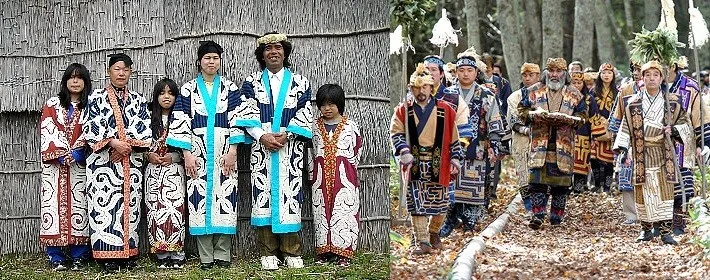
Ainu protective names are a different tradition
Some older discussions about “scary names in Japan” actually refer to Ainu culture, which is separate from mainstream Japanese naming. Traditional Ainu families could give babies rough temporary nicknames, including words linked to dirt or unpleasant things, because this was believed to keep evil spirits away. Those names were protective, not stylish, and the child would later receive a proper permanent name.
That distinction is important. It is an interesting cultural tradition, but it should not be confused with modern Japanese given-name lists or with dramatic kanji combinations used for fictional characters.
Examples with a direct dark tone
If you want the darkest possible tone, the most obvious examples usually feel forceful, stylized, or closer to fiction than to a common baby name. They still help clarify the difference between dramatic imagery and natural everyday use.
- Yami (闇) literally means “darkness.” It is extremely direct and dramatic, so it works better for a character than for a realistic everyday name.
- Tsukikage (月影) means “moon shadow.” It is one of the most poetic dark-adjacent images in Japanese and feels more literary than blunt.
- Yozora (夜空) means “night sky.” It is softer than a cursed or demonic image, but still carries a quiet nocturnal mood.
- Kage- names (影...) can feel cool and understated. Whether they sound natural depends on the full reading, the supporting kanji, and the context.
- Reito or Reika-style readings can take on a dusky or dark-toned nuance when paired with the right kanji, while still sounding more graceful than names built around
闇.
Which dark Japanese names sound most natural?
If realism matters, names linked to night, shadow, moonlight, and restrained imagery usually age better than names built around demons, curses, graves, or explicit death imagery. In real life, Japanese parents generally avoid names that feel too heavy, too aggressive, or too difficult to explain.
That is one reason why many “dark Japanese names” lists online read more like fantasy catalogs than real naming practice. If you enjoy bold or unusual readings, it also helps to understand the debate around kira-kira names in Japan. A name can be visually striking and still feel plausible, but once the kanji, meaning, and pronunciation become too theatrical, the result usually shifts from realistic to fictional.
Quick picks by vibe
- Most literal: Yami
- Most poetic: Tsukikage
- Soft nocturnal mood: Yozora
- Best balance of dark and believable: names built around shadow, night, or dusk rather than explicit death imagery
If your purpose is a real baby name, stay closer to shadow, night, moon, mist, or subdued flower imagery. If your purpose is a novel, manga, or RPG character, you can push much further into dramatic kanji and heavier symbolism without sounding strange.



Community
Comments
0 comments
There are no published comments in this language yet.
Send comment