The lucky bamboo or lucky bamboo is very common in Japan. Unlike what the name suggests, the plant is not actually a bamboo. It is a member of the lily family, typical of tropical forests in Southeast Asia and Africa. Its more accurate name is Dracaena Sanderiana. These plants are widely used in businesses, offices, homes, and commercial establishments.
This plant is one of the pieces of feng shui, and is believed to bring luck, prosperity, happiness, and fortune. Especially if given to a person as a gift. It can also be a decorative indoor plant and can be planted in soil, rocks, or water. It is an easy and practical care plant that can survive in various types of light. All the characteristics of this plant, such as small roots, branches, and leaves make it an ideal plant for home.
Lucky bamboo tends to be straight and with branched stems. Others can be long and only curl at the top. Some also grow lucky bamboo in aquariums and others prefer to buy an artificial one. Prices can vary from 20 to 1000 reais depending on the size and store.
Meanings of lucky bamboo
Much of the luck associated with bamboo comes from the number of stalks it has. The number of stalks demonstrates the type of energy that the plant attracts to the home or establishment. It is said that the more stems in the arrangement, the greater the blessings and good luck. Below is the explanation of each quantity of stalks.
Some tie the bamboo with a red ribbon that represents fire, resilience, and good health in feng shui. Receiving a lucky bamboo as a gift is more powerful than buying or making one.
1 long stalk (Lucky Log): This promises to bring prosperity and longevity. It is the most chosen and sought after as gifts for new businesses or commercial ventures;
2 stalks: Bring a lot of love and double the luck factor. Generally, people offer these as gifts to demonstrate and express love and affection;
3 stalks: The set of 3 stalks is said to bring much happiness, success in professional career, and a long life. This is the most popular among people as a gift;
4 stalks: No one wants this, as it symbolizes bad luck;
5 stalks: Attract a lot of positive and healthy energy in five areas of life, such as mental, physical, intuitive, emotional, and spiritual;
6 stalks: Increase your opportunities to increase your wealth;
7 stalks: Promises to bring positive energy to enable good overall health for a person;
8 stalks: Should bring positive energy increasing prosperity and fertility;
9 stalks: This is a symbol of great fortune and luck;
10 stalks: Represents all the good in life. Shows that the person wishes to have a happy and perfect life. That everything happens according to what they imagine and desire;
21 stalks: Divine blessings, wishing that the person and their family be covered with great wealth and lasting health;
Tower: Represents the climb, for ascension in work;
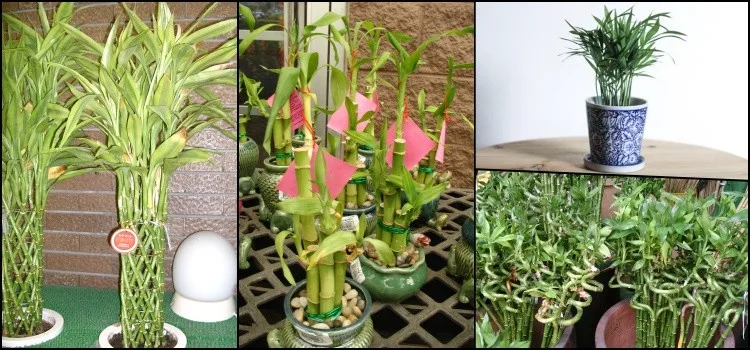
Lucky bamboo can represent the 5 natural elements where the stem of the plant represents wood; the stones mean earth; the pot and a coin inside mean metal; the ribbon means fire, and we don't even need to mention water.
Tips for caring for lucky bamboo
Lucky bamboo can be grown in water or even soil as long as the moisture is maintained. Some usually choose glass jars, sturdy and decorate with stones, crystals, and sand. When choosing the plant, make sure that the stem is white and new, without spots and with green leaves. It is better to buy the already prepared straight model because the growth process of a straight lucky bamboo is complicated.
Some complain that the bamboo stalk turns yellow; unfortunately, the plant has already been compromised, so we recommend using filtered and chlorine-free water to prevent the bamboo from turning yellow. Change the plant's water every week for fresh and clean water. The bamboo should not be placed directly in the sun, but it can receive indirect sunlight. Let the water rest for 24 hours to remove the chlorine.
If your bamboo dies, it means you are having bad luck! What do you think of this ingenious decoration that can bring luck? I hope you enjoyed the article and share it with friends.
Kevin Henrique has written about the Japanese language, culture, anime, games, and travel since founding Suki Desu in 2014. He first visited Japan in 2016.
Community
Comments
0 comments
There are no published comments in this language yet.

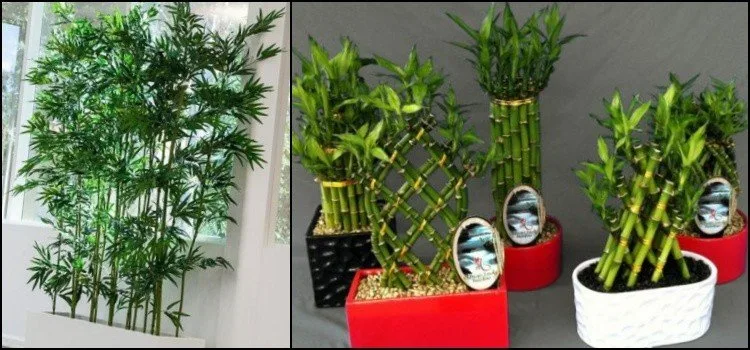
 Lucky bamboo tends to be straight and with branched stems. Others can be long and only curl at the top. Some also grow lucky bamboo in aquariums and others prefer to buy an artificial one. Prices can vary from 20 to 1000 reais depending on the size and store.
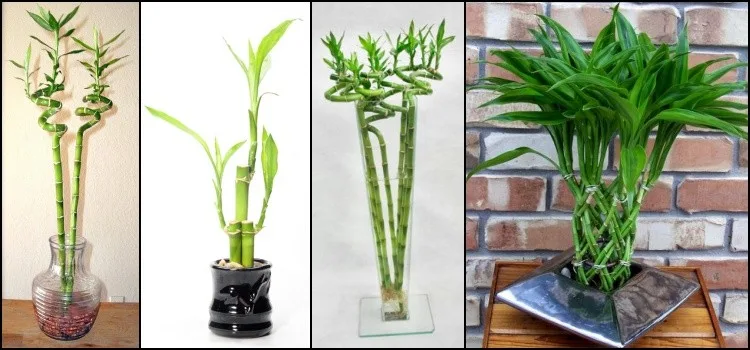 Some tie the bamboo with a red ribbon that represents fire, resilience, and good health in feng shui. Receiving a lucky bamboo as a gift is more powerful than buying or making one.
 Lucky bamboo can represent the 5 natural elements where the stem of the plant represents wood; the stones mean earth; the pot and a coin inside mean metal; the ribbon means fire, and we don't even need to mention water.
 Some complain that the bamboo stalk turns yellow; unfortunately, the plant has already been compromised, so we recommend using filtered and chlorine-free water to prevent the bamboo from turning yellow. Change the plant's water every week for fresh and clean water. The bamboo should not be placed directly in the sun, but it can receive indirect sunlight. Let the water rest for 24 hours to remove the chlorine.
If your bamboo dies, it means you are having bad luck! What do you think of this ingenious decoration that can bring luck? I hope you enjoyed the article and share it with friends.
Some complain that the bamboo stalk turns yellow; unfortunately, the plant has already been compromised, so we recommend using filtered and chlorine-free water to prevent the bamboo from turning yellow. Change the plant's water every week for fresh and clean water. The bamboo should not be placed directly in the sun, but it can receive indirect sunlight. Let the water rest for 24 hours to remove the chlorine.
If your bamboo dies, it means you are having bad luck! What do you think of this ingenious decoration that can bring luck? I hope you enjoyed the article and share it with friends.






Community
Comments
0 comments
There are no published comments in this language yet.
Send comment